Development costs for AMG electric vehicles alone reportedly exceeded one billion dollars, according to Manager Magazin.
An unnamed Mercedes-Benz executive told German business magazine Manager Magazin that the 2027 AMG GT 4-Door electric should not have been built. Full stop. The quote surfaced in mid-July 2026. It was, according to the executive, simply too late to cancel.
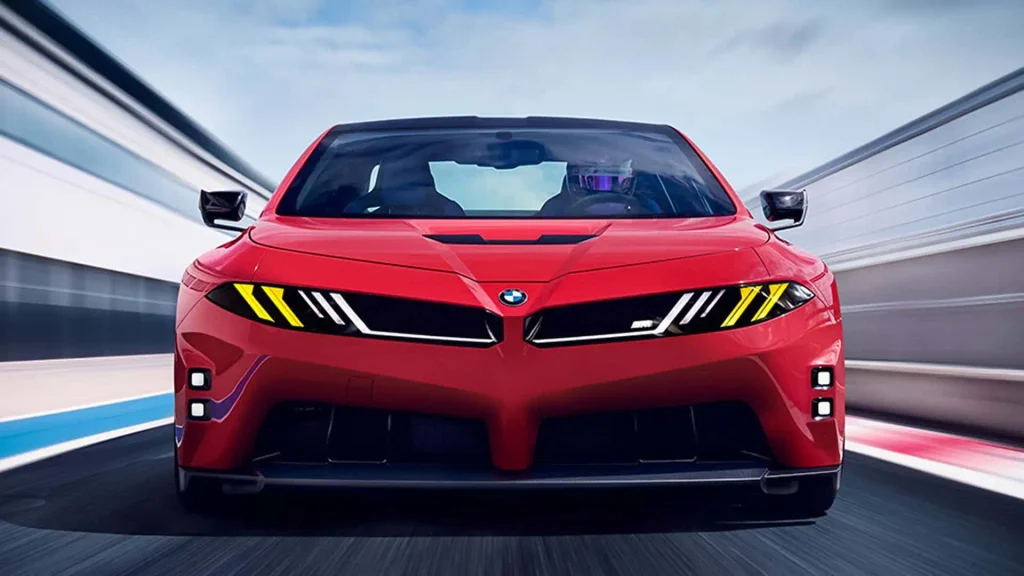
The admission lands at a fraught moment for high-performance battery-electric vehicles across the European market. Mercedes sold roughly 90 percent fewer EQ-badged units in 2024 than at the model line's peak, according to Manager Magazin's reporting, published July 2026. That compares sharply with BMW's continued push into electric performance — the brand confirmed a four-motor M3 for 2027 producing 1,300 hp — and raises questions about whether the Affalterbach division read demand correctly at all.
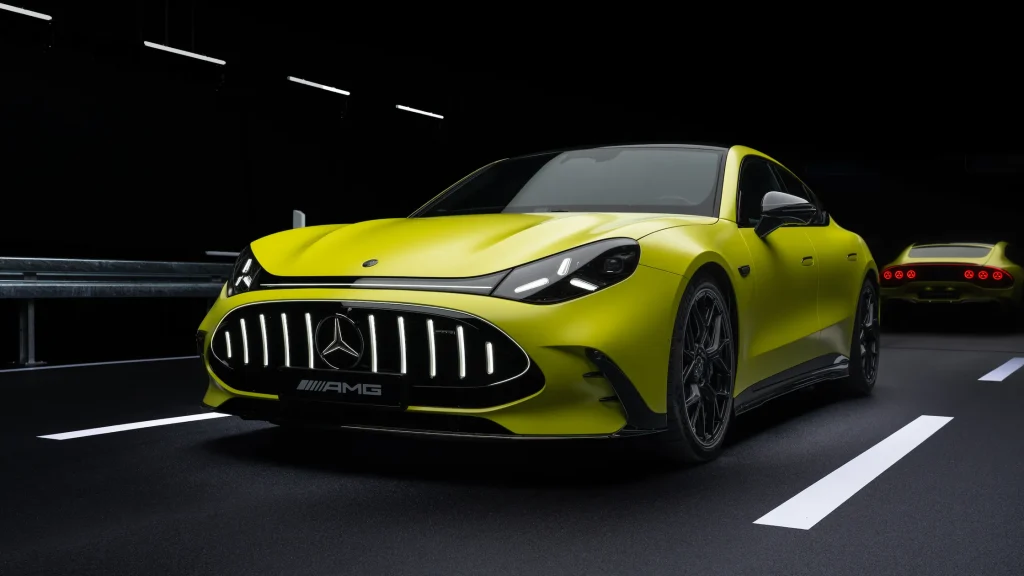
The Quote That Circulated in Stuttgart
Manager Magazin, the Hamburg-based German business publication, reported in July 2026 that an unnamed senior Mercedes-Benz executive described the AMG GT 4-Door electric in terms that would unsettle any product planning committee. The executive's words, as reported: the car "shouldn't even exist" — and that it was "too late to stop it." The second clause matters as much as the first. It signals not disagreement with a future decision, but recognition that an internal stop-order was never seriously raised once development passed a point of no return. Manager Magazin attributed the remarks to a current board-level figure; Mercedes-Benz AG had not issued a formal response to the report as of the date of this article's publication. What was not confirmed: whether the executive's dissent was shared by a majority of the AMG supervisory structure, or represented a single dissenting voice that found its way to the press. The broader context of industry restructuring across German OEMs in 2026 makes the timing notable.
What the Numbers Behind the EQ Era Actually Show
The arithmetic is uncomfortable. Mercedes reportedly spent more than €5 billion on development of the EQS and EQE SUV platform — that figure, sourced to Manager Magazin's July 2026 report, converts to approximately €5,000,000,000 at the platform level. AMG-specific electric development added a further sum described in the same report as exceeding $1 billion USD. Combined floor: roughly €5.9 billion at current exchange rates (€1 = $1.08, mid-July 2026). Against that, the EQ range recorded a sales collapse of approximately 90 percent in 2024 versus the prior peak year — meaning that for every ten units Mercedes once moved, fewer than one was finding a buyer by the end of that fiscal cycle. The AMG GT 4-Door has not yet received official volume projections from Stuttgart, but comparable low-volume performance EVs in the €150,000-plus bracket — the Porsche Taycan Turbo GT, the Audi RS e-tron GT — sell in the low thousands annually across Europe, according to ACEA registration data, published Q1 2026. That is not a segment that recovers a nine-figure development bill.
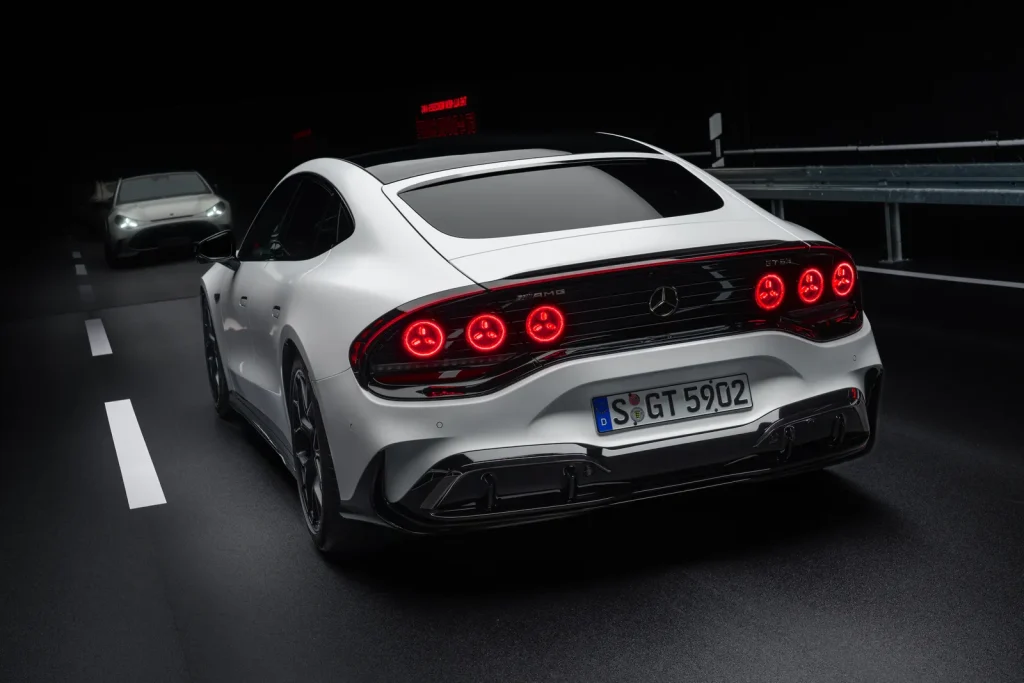
The Car Exists. The Market Rationale Doesn't Quite.
Here is what doesn't add up. Mercedes-Benz has, since late 2024, been publicly moderating its all-electric commitments — extending internal combustion engine production timelines, scaling back EQ investment, and repositioning the electric CLA as its recovery vehicle in the sub-€50,000 band. That is a coherent retrenchment. What is less coherent is simultaneously bringing a new halo electric performance model to market in the segment that has shown the steepest resistance to electrification. Performance car purchasers — specifically those spending above €150,000 — are, according to the European Automobile Manufacturers' Association's Q1 2026 market analysis, the demographic least likely to have switched from internal combustion in the 2023–2025 window. Mercedes is not alone in this tension: Kia UK reached 100,000 electric vehicle sales while simultaneously describing ZEV mandate pace as unrealistic, a contradiction that has become something of a template for the sector. The AMG GT electric version of this contradiction is simply more expensive, and more visible.
Honda Pulled the Plug. Mercedes Couldn't.
The comparison that the Manager Magazin report implicitly invites is with Honda. Honda, according to public statements from the company in late 2024 and confirmed in subsequent reporting, abandoned three planned electric vehicle programmes, absorbing billions in sunk development costs rather than bring products to market that its leadership judged commercially unviable. The exit was painful. It was, arguably, disciplined. Mercedes, by the executive's own account, reached the equivalent decision point and concluded the AMG GT 4-Door was too far along to abort. That is a different kind of cost: not the write-down of cancelled tooling, but the ongoing expense of manufacturing, marketing, and supporting a vehicle that at least one senior figure inside the company believes should not have reached production. Chevrolet's separate halt of C8 Corvette sales over a brake-light fault illustrates a different kind of production-line disruption — but the Mercedes case is structural, not regulatory. The AMG GT electric will ship. The question is to whom, and at what margin.
What This Means for Ola Källenius and AMG's Next Cycle
The executive quoted by Manager Magazin did not name Mercedes CEO Ola Källenius directly. The publication did. Källenius was described in the report as having driven the original EQ push in part by tracking Tesla's rising stock price — a characterisation that, if accurate, reframes a product decision as a capital-markets reflex rather than a demand-led call. Källenius has led Mercedes since 2019 and oversaw the EQ brand's construction and, subsequently, its retrenchment. For AMG — the Affalterbach performance division formally known as Mercedes-AMG GmbH — the downstream effect is a model lineup now carrying at least one electric entry that its own parent questions. AMG's combustion portfolio, including the GT 63 S E Performance hybrid, continues to sell in markets where internal combustion remains legal. The electric GT 4-Door, by contrast, enters a segment where Porsche's Taycan has spent five years establishing customer familiarity. AMG does not have that runway. Whether the electric GT finds 2,000 buyers annually in Europe or 500 is, at this point, an open question that Mercedes has declined to answer publicly.
The 2027 Mercedes-AMG GT 4-Door is scheduled to reach European dealerships in the first half of 2027, with a base price not yet confirmed but expected to clear €160,000 — above the Porsche Taycan Turbo's current European list of €158,100. Mercedes launched the AMG brand's first fully electric model, the AMG EQS 53, in 2021. That car is no longer in production. The complete Mercedes-AMG model history and specifications are catalogued in the Global Auto Index manufacturer database.
