

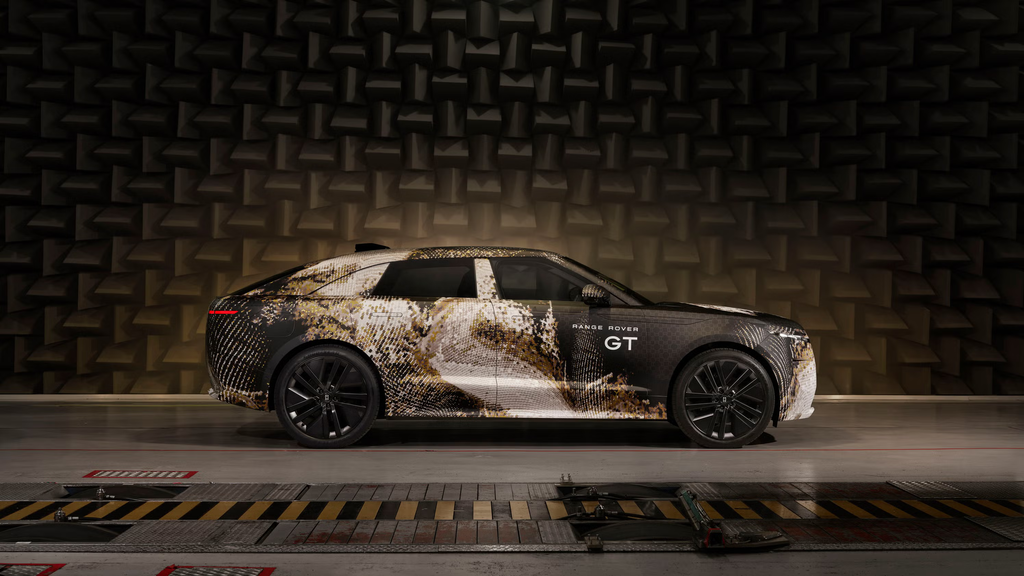
Tesla held roughly flat while Ford converted the F-150 Lightning to extended-range architecture, signalling a wider industry recalibration.
US battery-electric registrations hit 85,714 in July. That is a 31% year-on-year collapse. Market share fell to 6.2% from 8.9% twelve months earlier, according to retail registration data cited in its September 2026 coverage. One credit deadline did most of the damage.
The federal clean-vehicle purchase credit expired for vehicles acquired after 30 September 2025. July was the first calendar month in which no carry-forward transactions could close, removing a price offset that Automotive News analysts, writing in September 2026, estimated had supported several percentage points of EV share. Compared with July 2025—when share sat at 8.9%—the 2.7-point drop marks the steepest single-month share contraction since the credit programme began. Hybrid registrations, , rose 86% over the same period.
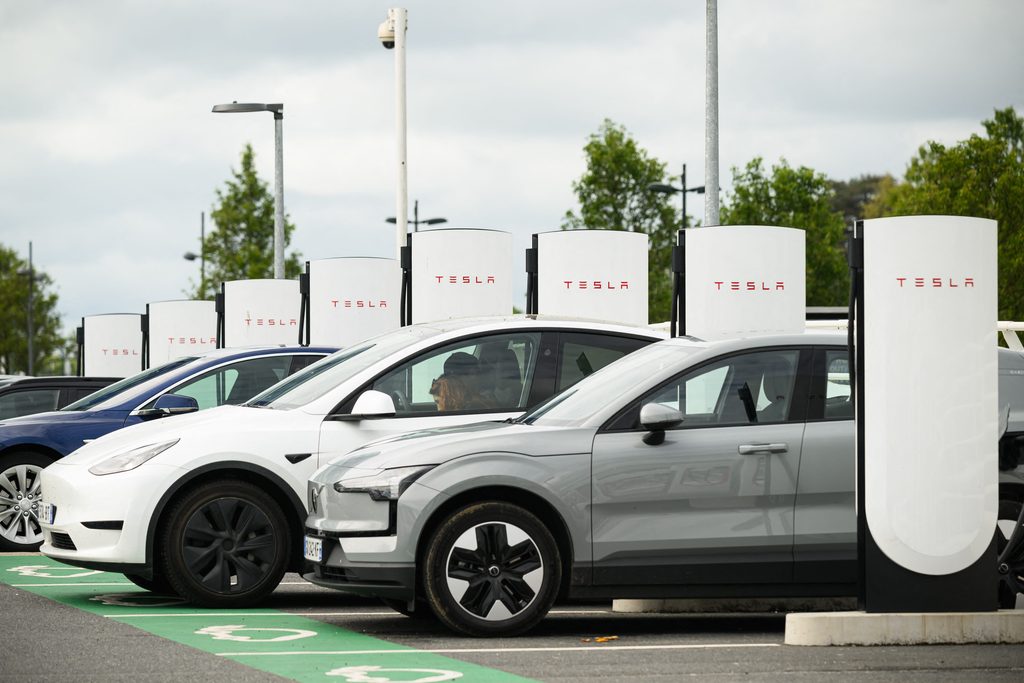
The Numbers Behind the Credit-Cliff Drop
Registration data collated in Automotive News's September 2026 market report show four figures worth holding together. Total battery-electric units in July 2026: 85,714. The year-earlier comparable: approximately 124,224 units (85,714 ÷ 0.69, rounded). The arithmetic gap is roughly 38,510 vehicles lost in a single month. EV share moved from 8.9% to 6.2%—a 30% relative compression of share, not just volume. Meanwhile hybrid registrations tracked an 86% gain over July 2025. If hybrid volumes grew at that rate from a base consistent with mid-2025 light-duty mix data published by the US Energy Information Administration, the hybrid segment added an estimated 55,000–65,000 units year-on-year. The two trends are not coincidental. The same shoppers who hesitated on a full-electric purchase found a hybrid the path of least resistance once the $7,500 credit disappeared from EV sticker math. For context on how EV regulation timelines in other markets are shaping OEM planning in parallel, the compliance pressures differ but the consumer-hesitancy signal is identical.
Toyota Gains Where EV-Heavy Lineups Retreat
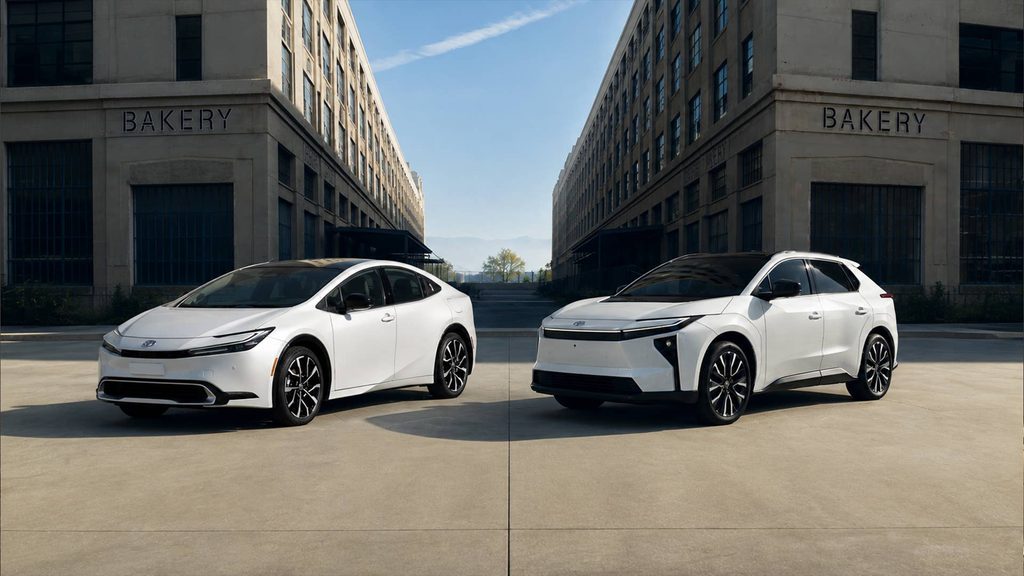
Toyota's US registrations climbed 86% in July 2026 against a market that contracted overall—a divergence that goes beyond coincidence. The RAV4 Hybrid, Camry Hybrid, Corolla Hybrid, and Prius together constitute the volume engine of that gain, according to the Automotive News September 2026 report. No single Toyota battery-electric model contributed materially to the surge; the lift is almost entirely hybrid-driven. Compare that with several EV-concentrated lineups that posted double-digit percentage declines in the same month. Tesla was the partial exception: its registrations remained close to flat, a function of its direct-sale model, proprietary charging network, and the fact that its average transaction price already absorbed the post-credit adjustment during Q1 2026 price reductions. The contrast sharpens when dealer turn-rate data are examined. Retail analytics service Cox Automotive reported in its July 2026 Used and New Vehicle Industry Report that hybrid days-to-turn ran roughly 18 days faster than comparable battery-electric models—a metric that shapes what dealers order and stock. Kia's experience in the UK, where it reached 100,000 cumulative EV sales but simultaneously called ZEV mandate targets unrealistic, illustrates the same tension between volume achievement and regulatory pace on the other side of the Atlantic.
Ford's F-150 Lightning Conversion: What the December Announcement Said
Ford Motor Company confirmed in a December 2025 product-planning statement that the F-150 Lightning would transition from a pure battery-electric architecture to an extended-range electric vehicle format. The announcement, attributed to Ford's North America product communications office and reported across trade publications in the week of 8 December 2025, did not publish a revised range figure or battery specification. It confirmed the retention of the Lightning nameplate and a target production date consistent with the 2027 model year. The rationale Ford gave was explicit: truck customers require towing range that current battery-electric architecture struggles to deliver without significant weight and cost penalties. Extended-range designs—pairing a smaller battery with an onboard generator—address towing anxiety without mandating public fast-charging stops on job-site routes. What Ford did not confirm in December 2025: the generating unit's fuel type, the electric-only range floor, or whether the extended-range Lightning would qualify under any successor federal incentive programme. That silence matters for fleet procurement officers at construction and utility companies who had been evaluating the Lightning EV under the now-expired commercial clean-vehicle credit, Section 45W of the Internal Revenue Code.
Why Tesla's Flat Line Doesn't Fit the Narrative Cleanly
The 31% volume drop is a market-wide number. Tesla did not post a 31% decline. That asymmetry needs explaining—and the explanation is not entirely flattering to either side of the argument. Tesla's registrations held near July 2025 levels, which looks like resilience. But Tesla's July 2025 baseline was itself already compressed: the company had executed US price cuts of between $2,000 and $5,000 on Model 3 and Model Y variants between January and April 2025, effectively pre-adjusting for the credit's eventual removal. Rivals that maintained higher transaction prices through mid-2025—relying on the $7,500 credit to bridge the affordability gap—faced a steeper cliff when the credit ended. Tesla's flat line, in other words, may reflect a price floor already set rather than stronger underlying demand. The US Energy Information Administration's Monthly Energy Review, August 2026 edition, does not disaggregate EV registrations by manufacturer, leaving the precise Tesla unit count dependent on state-level DMV data that publish on a 60-to-90-day lag. The number cited in trade coverage remains an estimate, not a certified figure. EU trade access negotiations add a further wrinkle: European policy may soon affect which US-assembled EVs can access subsidy-equivalent incentives abroad, altering the competitive calculus for Tesla's export volumes.
ZEV Mandate Maths and What July Changes for OEM Planning
The US does not operate a single federal ZEV mandate in the manner of California's Advanced Clean Cars II regulation, but thirteen states have adopted ACC II as of mid-2026. California Air Resources Board data published in its Q2 2026 compliance summary show that OEMs with EV share below 16%—the 2026 model-year floor under ACC II—must either purchase credits from over-compliant manufacturers or carry deficit balances forward. A 31% volume drop in a month where OEMs were banking on post-summer restocking to recover share is not a rounding error. Ford, which carries both the Lightning conversion cost and a product gap between now and the extended-range model's 2027 launch, faces the most immediate exposure in ACC II states. Toyota, accumulating surplus credits through hybrid PHEV sales, is in a structurally different position—it can sell credits or deploy them against future compliance gaps. For OEMs monitoring the Chinese entrant trajectory in parallel, the registration swing matters: Changan's rejection of shared European production signals that Chinese brands are not yet positioned to absorb the US hybrid-demand wave, leaving the near-term volume opportunity with established domestic and Japanese lineups.
California's ACC II regulation requires battery-electric and plug-in hybrid vehicles to constitute 35% of new light-duty sales 2026 for manufacturers selling more than 4,500 units annually in the state—a threshold now materially harder to hit given July's demand contraction. The next registration data release covering August 2026 will indicate whether July was a one-month anomaly or the start of a sustained share retreat. The complete Toyota and Ford model histories and specifications are catalogued in the Global Auto Index manufacturer database.
