
Chinese brands cracked the UK retail code first — and legacy franchises are watching their repair margins evaporate.
The new car sale is almost incidental. Dealers have always known this. Profit lives in the workshop — in oil changes, brake jobs, timing belts. EVs need none of that. Now the ZEV mandate is compressing the timeline, and the numbers are turning ugly.
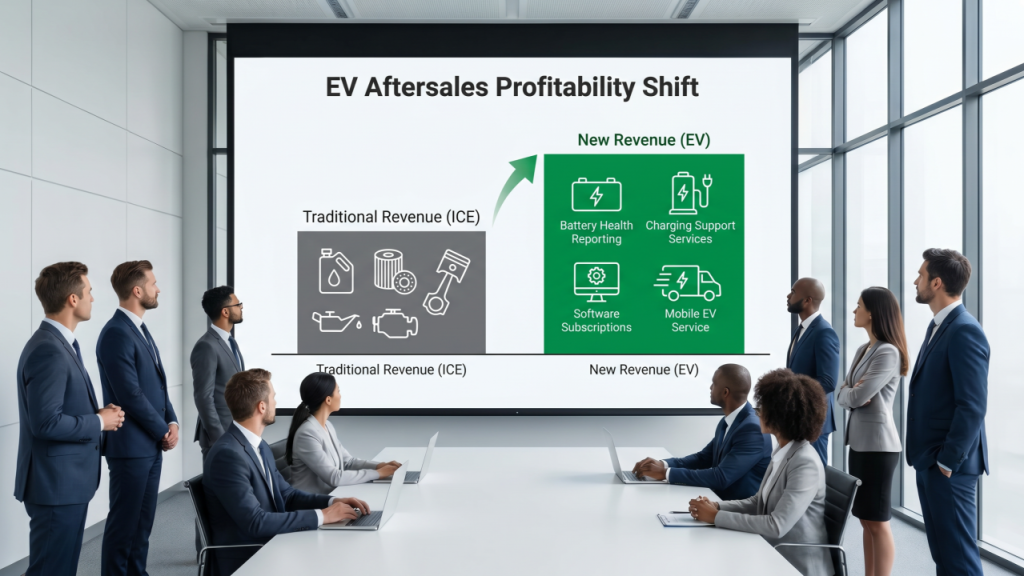
Aftersales typically generates between 40% and 50% of a franchised dealer's operating profit despite accounting for a far smaller share of turnover, according to the National Franchised Dealers Association's Dealer Profitability Survey, published February 2025. As EVs displaced ICE vehicles in 2024 — BEV registrations hit 19.6% of new UK sales, per SMMT data released January 2025 — workshop visit frequency per vehicle dropped one-third compared with petrol equivalents. That is the structural fault line.
How Chinese Brands Rewrote the Ground Game
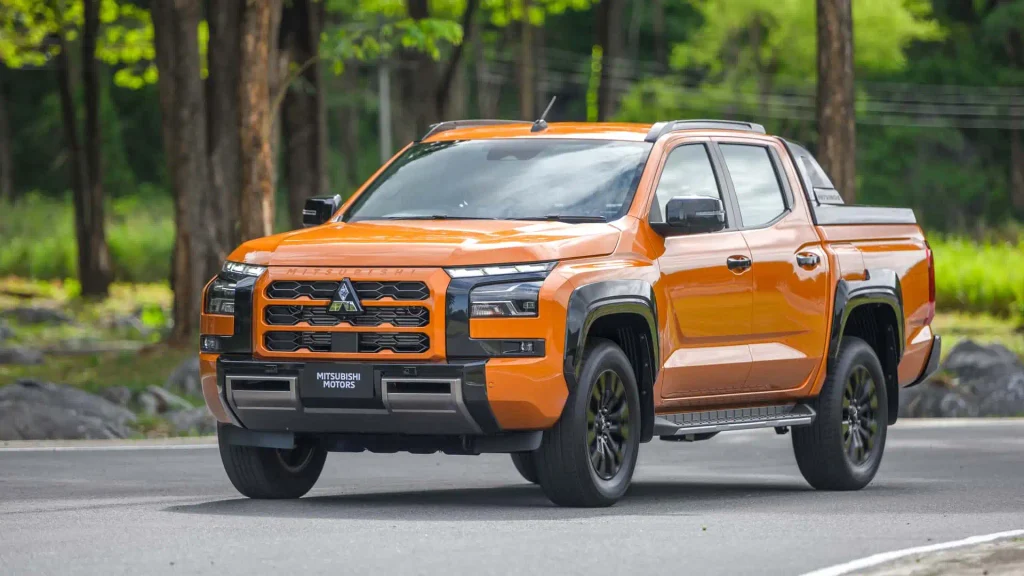
BYD, MG, and Chery did not wait for legacy networks to warm to them. They recruited dealers aggressively, offered margin structures tilted toward volume rather than aftersales dependency, and opened points in second-tier cities where established franchises had consolidated. MG's UK network grew from 84 approved retailers in 2020 to more than 130 by the end of 2024, according to MG Motor UK's own dealer portal figures cited in trade press during Q4 2024. BYD appointed its first UK franchise partners in 2023 and added 18 further points inside twelve months. The speed was deliberate. These brands understood that curiosity — generated by price and specification — converts to a sale only if there is a physical touchpoint nearby. What they also understood, and what legacy dealers are only now confronting, is that the aftersales model those new partners inherit is structurally lighter than anything a Ford or Vauxhall dealer has built a business around for thirty years. For more on the regulatory context shaping these decisions, see our coverage of EV regulation developments across Europe in 2026.
The Aftersales Arithmetic That Keeps Dealers Awake
Run the numbers and the discomfort is immediate. A mid-sized UK franchised dealer group generating £18 million in annual turnover might split that roughly 70/30 between new and used vehicle sales versus aftersales and parts. But gross profit margins invert that ratio: vehicle sales at 2–4% gross, aftersales at 45–60% gross. On £5.4 million of aftersales turnover at a 50% gross margin, that dealer earns £2.7 million — against perhaps £360,000 gross on the £12.6 million vehicle side at 3%. Total gross: approximately £3.06 million. Now replace 40% of the parc with EVs. Workshop visits per BEV per year average 1.4, against 2.9 for petrol, according to the Society of Motor Manufacturers and Traders' EV Ownership Experience Report, published March 2025. Aftersales revenue compresses toward £1.9 million at the same margin. That is a £800,000 gross profit hole — on a single site. Multiply across a ten-site group and the number is £8 million annually.
What the NFDA Actually Said
Sue Robinson, Chief Executive of the National Franchised Dealers Association, did not soften the language in written evidence submitted to the House of Commons Business and Trade Committee in October 2024. The submission warned that "the current ZEV mandate trajectory does not reflect retail demand conditions" and that dealers face "a structural mismatch between the vehicles they are mandated to sell and the aftersales revenues those vehicles generate." The NFDA stopped short of calling for a mandate suspension — Robinson has been careful on that point publicly — but the submission explicitly requested a phased recalibration of annual ZEV targets beyond 2026, citing dealer viability assessments conducted across 320 franchise sites between June and September 2024. The document, formally titled Supplementary Evidence on ZEV Mandate Implementation, Section 4, paragraphs 14–19, was published on the committee's proceedings register in November 2024. The tension is not theoretical. It is in the accounts.
Norway Solved It Differently — and the Numbers Show Why
Norway is the comparison everyone reaches for, and it earns the reference. BEV share of new registrations crossed 88% in 2023, according to the Norwegian Road Federation's annual statistical bulletin, published January 2024. Yet Norwegian dealers did not suffer the aftersales collapse that UK franchisees now fear. The difference is structural: Norway's dealer network adapted over fifteen years, not five. The ZEV share moved from 6% in 2013 to 88% in 2023 — a decade of graduated adjustment. The UK mandate requires moving from roughly 20% in 2024 to 80% by 2030. That is the same percentage-point distance in six years that Norway covered in ten. Kia UK has already called that pace unrealistic, and it sells EVs. Norwegian dealers also benefited from government-backed technician retraining grants that covered up to 70% of programme costs — a scheme the UK has not replicated at equivalent scale.
The Part Nobody Is Explaining: Why Dealers Still Sign EV Franchise Agreements
Here is what does not add up. If aftersales compression is as damaging as the NFDA evidence suggests, why are dealer groups continuing to sign new EV franchise agreements at the pace they are? Between January and September 2024, the Motor Ombudsman registered 47 new franchise applications from dealers taking on BEV-only or BEV-primary brands — up from 29 in the same period of 2023, according to Motor Ombudsman quarterly registration data, Q3 2024. The answer, partially, is that dealers are betting on accessory revenue, software subscription splits, and fleet servicing contracts to partially offset workshop losses. Whether those bets pay is unproven. What is confirmed: no major manufacturer has published a dealer margin compensation model that explicitly accounts for reduced aftersales frequency under a high-BEV parc. That document does not exist. The EU Industrial Accelerator Act addresses manufacturing incentives — not retail network viability. That gap in the policy architecture is the real problem.
One data point the NFDA submission did not include: the average UK franchised dealer carries £1.2 million in workshop tooling and diagnostic equipment calibrated for ICE vehicles, per the Institute of the Motor Industry's Capital Equipment Survey, published September 2023. That asset depreciates whether the ramps are busy or not. Retraining a single master technician to High Voltage Level 3 standard costs approximately £4,800 in course fees alone. The ZEV mandate does not fund either. Regulatory cost pressure is building from multiple directions simultaneously. The complete dealer network and manufacturer distribution model history is catalogued in the Global Auto Index manufacturer database.
