JLR retrained 9,000 Solihull workers for the shift, with battery production anchored at a new Wolverhampton facility.
Order books opened September 1. Range Rover's first battery-electric model carries a $138,000 US base price and an EPA-rated 333 miles of range. Fifty-six years. No EV. Until now. The Solihull-built SUV runs twin permanent-magnet motors producing 542 horsepower and 627 lb-ft of torque — more twist than any Range Rover before it.
The launch lands as Chinese off-road-capable EV entrants press into European markets — the Haval HX debuted targeting Land Cruiser buyers in Q3 2024, and Jaecoo 7 topped UK monthly sales charts in early 2026, according to registration data compiled of Motor Manufacturers and Traders, published April 2026. JLR's electric Range Rover is its direct answer: a flagship-tier, zero-emission SUV priced well above the challengers but built to the same wading and terrain benchmarks.
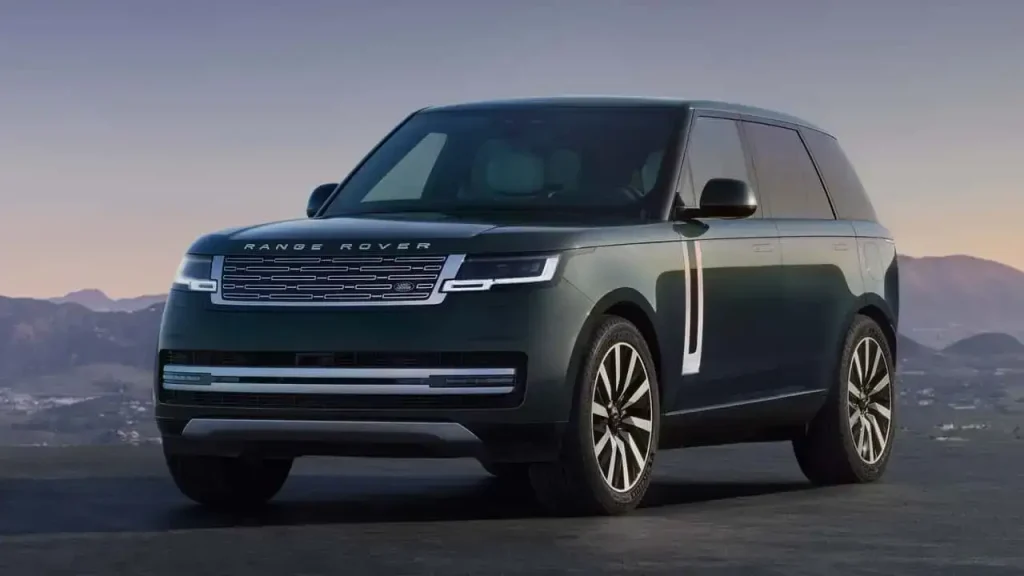
Battery, Charging, and the Numbers Behind the Platform
The 118.5-kWh lithium-ion battery is assembled from 344 prismatic cells arranged in a double-stacked configuration and runs on an 800-volt architecture. Plugged into a 350-kW DC fast charger, JLR says the pack moves from 10 to 80 percent charge in approximately 22 minutes. At peak draw, 10 minutes of charging adds roughly 125 miles — implying a sustained intake rate of 750 miles per hour of charging time at best-case conditions (125 miles ÷ 0.167 hours = 749 miles/hour, or approximately 120 kW average over that window). The motors produce 627 lb-ft of torque. JLR's press documentation, released September 1 2025, confirms that figure exceeds every previous Range Rover regardless of powertrain — diesel V8 included. North American buyers gain access to Tesla's Supercharger network through built-in NACS compatibility. The battery and drive units carry an eight-year, 100,000-mile warranty. This platform sits within a broader European premium segment expansion that has reshaped the large luxury SUV category over two decades.
How Solihull Was Rebuilt Around the Electric Drivetrain
JLR retrained 9,000 workers at the Solihull assembly plant in the West Midlands. Another 1,500 employees received electrification training at sites elsewhere across the region. The Range Rover Electric shares a production line with the brand's mild-hybrid, plug-in hybrid, and petrol variants — all rolling off the same floor in the same sequence. Battery packs and electric drive units are manufactured separately at JLR's Electric Propulsion Manufacturing Centre in Wolverhampton, which JLR describes as the largest facility of its kind in the United Kingdom. That claim has not been independently verified. Wolverhampton also produces JLR's combustion engines, making it a mixed-output plant rather than a dedicated EV facility — a detail JLR's announcement did not foreground. The Range Rover Electric is available in short- and long-wheelbase configurations, with SE, Autobiography, SV, SV Black, and SV Ultra trim levels. A First Edition variant offers Belgravia Green, Santorini Black, or Varesine Blue exterior paint combined with Light Cloud Ultrafabrics and Kvadrat interior trim.
The Engineering Mandate: Parity On and Off the Tarmac
Matt Becker, JLR's Vehicle Engineering Director, set the performance target plainly in the company's September 2025 technical brief: 'From challenging low-grip and rough terrain to smooth, high-speed roads, it remains incredibly composed and refined, with a real sense of control and confidence.' That brief outlines two systems carrying the off-road workload. The Integrated Traction Management system adjusts motor speed in 50 milliseconds — JLR states this is approximately 100 times faster than a combustion drivetrain can respond to wheel slip. An Intelligent Driveline Dynamics system varies rear torque delivery across a 0-to-100-percent range continuously. Single Pedal mode allows crawling up a 33-degree slope or descending a 45-degree gradient using only the accelerator pedal. Maximum wading depth is 35 inches of water, matching the specification of the petrol model. The sprint from rest to 60 mph takes 4.3 seconds; the 50-to-75-mph overtaking increment requires 2.7 seconds.
What JLR Has Not Confirmed — and Why That Gap Matters
JLR has not published a WLTP range figure for markets outside North America. The EPA's 333-mile rating applies a different test cycle than the European WLTP standard, which typically returns higher numbers on paper for this class of vehicle. No WLTP figure appeared in the September 1 technical release, and no European on-sale date was announced. UK pricing was absent from the launch materials entirely — a pointed omission given that Solihull, where the car is built, sits fewer than 20 miles from Birmingham city centre. The context is uncomfortable. The ZEV mandate requires UK manufacturers to meet rising zero-emission sales thresholds annually, yet JLR has given UK retail customers no price, no delivery window, and no charging-network commitment beyond the North American NACS arrangement. Whether the Wolverhampton plant's output capacity will match order volumes in the launch year also remains unaddressed in public statements. These are not small gaps for a vehicle opening at a six-figure price point.
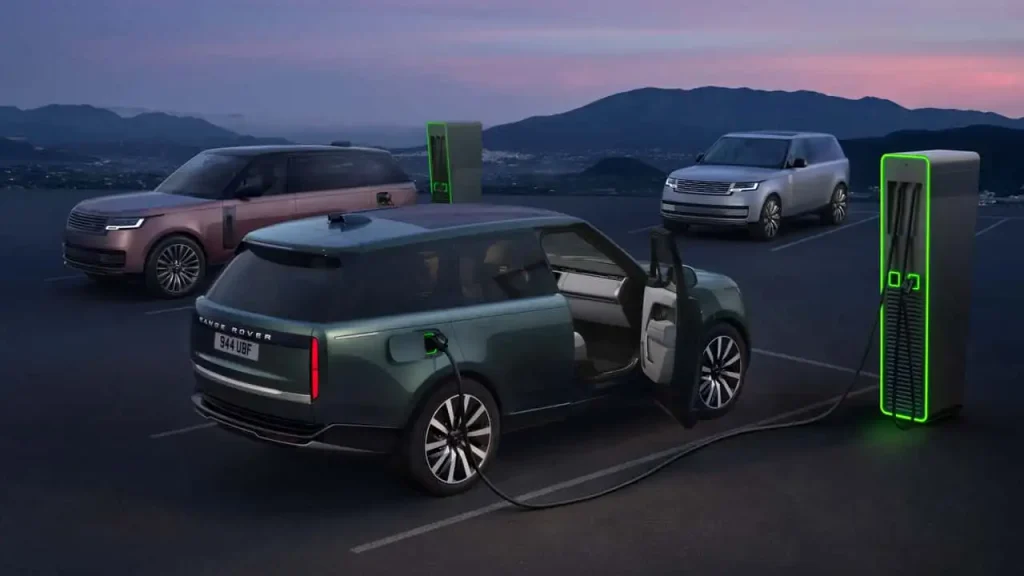
Against the Competition: Where $138,000 Places the Electric Range Rover
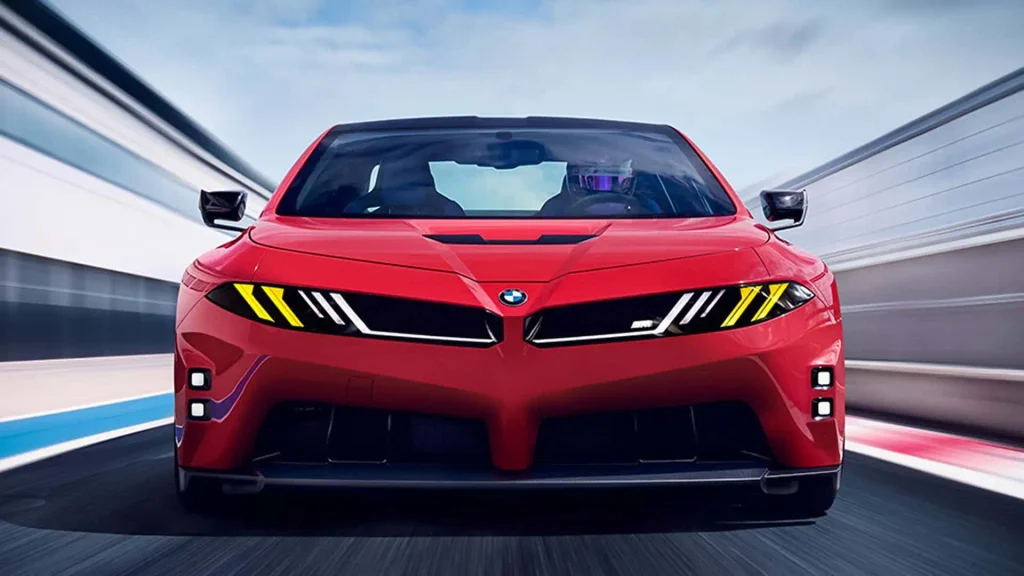
The $138,000 US entry price positions the electric Range Rover above the BMW iX xDrive50, which starts near $88,000 in the United States, and the Mercedes-Benz EQS SUV 450+, which opens around $105,000 — a gap of $33,000 to $50,000 against its most direct German rivals, according to manufacturer pricing published on respective US configurator tools in August 2025. The BMW performance EV push due in 2027 will complicate the upper tier further, though that programme targets a different segment. From the other direction, Chinese entrants are closing on the functional brief — Haval's HX explicitly targeted Land Cruiser-grade off-road buyers at a fraction of the price. JLR's answer is brand depth, British manufacturing provenance, and a warranty structure that competitors in that lower tier do not yet match. Whether that arithmetic satisfies enough buyers outside the US, where the Supercharger network advantage disappears, is the open question for the marque's electrification programme.
Range Rover's electric model is the 56th-year milestone for a nameplate launched in 1970. JLR has confirmed a related Range Rover Sport Electric using a derivative of the same powertrain, though specifications for that model have not been published. Production at Solihull began ahead of the September 1 world premiere, with first deliveries expected before the end of 2025. No date was given. The complete Range Rover model history and specifications are catalogued in the Global Auto Index manufacturer database.
