Seat brand retirement before 2030 adds a marque-level casualty to the deepest cuts in Wolfsburg's history.
Volkswagen Group will cut its model lineup in half. Gone, too, are roughly 50,000 jobs. Up to four factories face closure. The Seat brand won't survive the decade — that part the company did not announce publicly, but the reporting stands.
No European volume manufacturer has attempted a restructuring of this scope in the post-2008 era. General Motors shed brands — Pontiac, Saturn, Saab — across a bankruptcy process; VW is doing this while solvent and still the continent's largest carmaker . According to Volkswagen Group's Future Plan 2030, approved board in early 2026, the programme also mandates a major reduction in planned capital expenditure and a full engineering consolidation across group platforms.
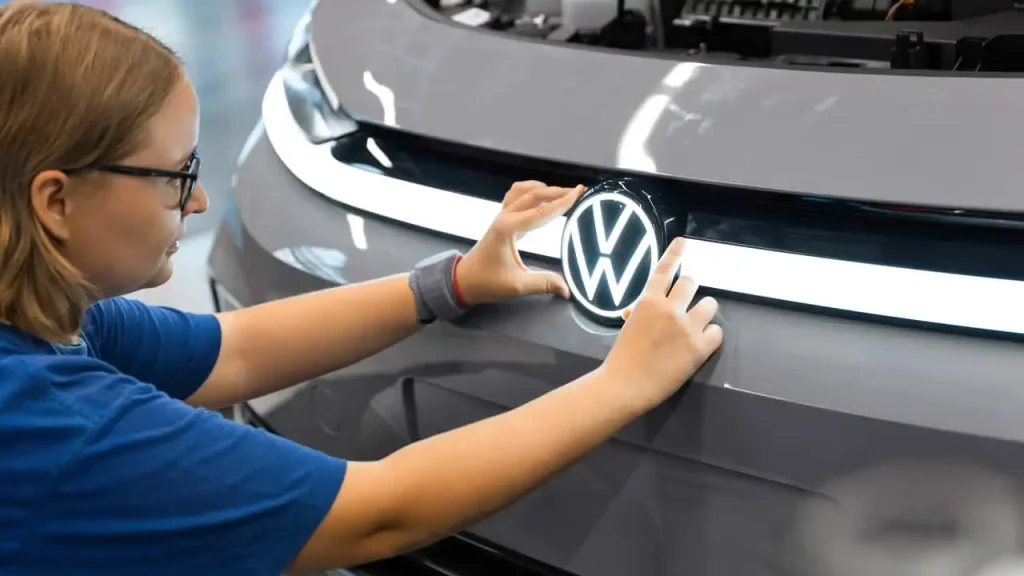
What Future Plan 2030 Actually Says
The Future Plan 2030 is not a leaked memo. Volkswagen Group's supervisory board approved the document formally, and its scope runs to four discrete pillars: model-range reduction, technical-complexity cuts, workforce adjustment, and site rationalisation. The model-range section calls for a reduction from the current count to roughly half — the group has not published an exact before-and-after figure, which is itself telling. The workforce section specifies approximately 50,000 positions. The site section identifies up to four plants at risk, without naming them in the public-facing summary. The investment pillar requires a "major reduction" in previously approved capital plans, a phrase that covers everything from new platform development to tooling commitments already placed with suppliers. This article is part of the ongoing coverage within our industry restructuring 2026 analysis cluster. Section four of the plan, covering engineering operations, is the part suppliers are reading most carefully right now.
The Arithmetic of a Halved Portfolio
Volkswagen Group currently fields vehicles across nine brands in the European market: Volkswagen passenger cars, Audi, Škoda, SEAT/Cupra, Porsche, Lamborghini, Bentley, and the commercial-vehicle divisions. A 50 percent reduction applied evenly — it won't be even — means roughly half of the current nameplate count eliminated. The group offered approximately 40 distinct model lines in Europe as of the 2025 model year, according to ACEA registration data published February 2026. Halving that yields around 20 retained nameplates. At an average model-cycle investment of €1.2 billion per nameplate (a figure Volkswagen's own 2023 annual report used as a baseline planning estimate), eliminating 20 models frees a theoretical €24 billion in forward capital — though actual savings depend on how far each cancelled programme had already progressed. The calculation: 20 cancelled lines × €1.2 billion = €24 billion released. Not all of that is cash. Much is avoided spend. Still, the order of magnitude matters.
Seat's Quiet Exit and What VW Didn't Say
Volkswagen Group's official Future Plan 2030 summary does not mention Seat by name. That absence is the story. The brand has operated in an awkward position since Cupra was separated and elevated as a distinct marque — Cupra now handles the performance-oriented product that once justified Seat's existence as a volume-plus-sport proposition. What remains of Seat proper is geographic: a Spanish manufacturing footprint centred on the Martorell plant near Barcelona, and a brand identity that overlaps almost entirely with Volkswagen's own entry-level positioning. The retirement timeline — before the end of the decade — would mean a decision point by 2029 at the latest. Volkswagen has not confirmed this publicly. The company also has not denied it when asked directly, according to reporting cited by Autocar Business in early 2026. That non-denial, from a group that has been unusually precise about everything else in this restructuring, is the gap worth watching. Compare this to the approach taken by Changan, which has publicly rejected shared European production rather than leaving its European exposure ambiguous.
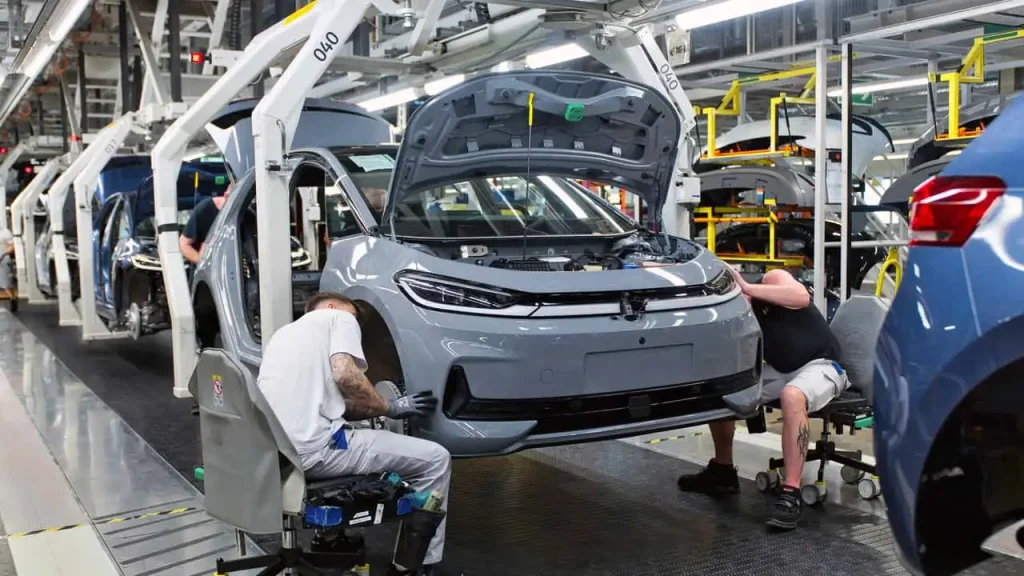
Martorell, the Workforce, and the Spanish Question
Oliver Blume, Volkswagen Group's chief executive, has staked considerable political capital on keeping Spanish production viable — Martorell employs around 15,000 workers directly, with a supplier base the Spanish government estimates at three to four times that figure in indirect employment. The Spanish ministry of industry, in correspondence with VW Group cited by the CCOO union federation in March 2026, sought written assurances that Martorell would not appear on the four-plant closure list. Volkswagen has not provided those assurances in writing. The 50,000 job figure is a group-wide number. It is not Spain-specific. But if Seat the brand disappears and Cupra consolidates production — Cupra's Born is already built at Zwickau in Germany — the Spanish case for retaining capacity weakens regardless of what the plan document says about sites. The workforce reductions also arrive as European auto employment faces separate pressure from tariff exposure; the U.S. 25 percent truck tariff and European IVA discussions are compounding the adjustment timeline for every volume manufacturer on the continent.
How This Compares to VW's Previous Restructuring Rounds
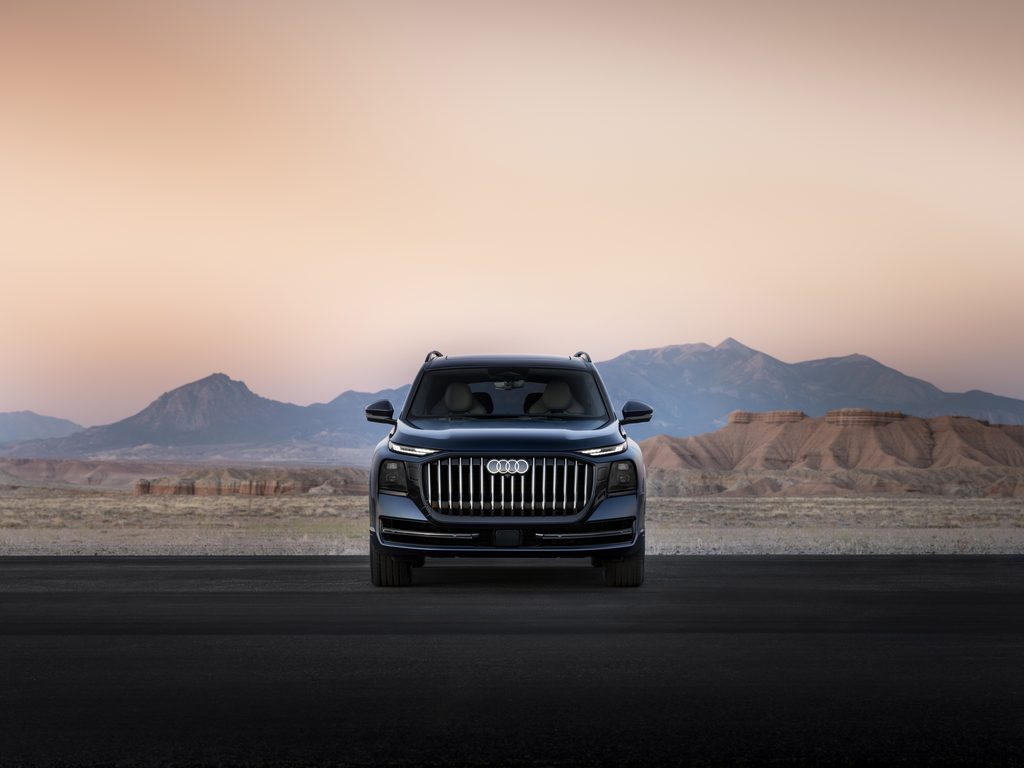
In 2016, Volkswagen Group launched its Transform 2025+ plan in the aftermath of the diesel emissions scandal. That programme targeted €3.7 billion in annual savings and involved 30,000 job cuts — painful, but contained. The current plan targets 50,000 positions, a 67 percent increase in workforce reduction scope compared to Transform 2025+. Model-range cuts in 2016 were minimal; the group added nameplates through that cycle, not removed them. The Audi Q8 launched in 2018, the Porsche Taycan in 2019, the Cupra brand separated in 2018. The direction then was expansion. The direction now is the opposite. For comparison, Ford Europe's restructuring between 2019 and 2023 removed the Mondeo, Galaxy, S-Max, and Ka — four models — from its European portfolio. Volkswagen Group is targeting twenty or more. Ford did it over four years with pain but without plant closures in Germany. VW is attempting the equivalent of three Ford-Europe restructurings simultaneously, on a compressed timeline, inside a single corporate entity. The Kia ZEV situation in Britain offers a different lens: Kia UK reached 100,000 EVs while calling mandate pace unrealistic — volume manufacturers across Europe are caught between regulatory timelines and market readiness, and VW's cuts reflect that same pressure at its most acute.
Volkswagen Group's supervisory board includes ten employee representatives under German co-determination law — all ten would have voted on Future Plan 2030's approval. The plan's investment reduction clause covers commitments through 2035, not just the 2030 horizon its name implies. No confirmed list of the four plants at risk had been published as of the date of this report. The complete Volkswagen Group model history and specifications are catalogued in the Global Auto Index manufacturer database.
