







Two prototype models debut 2028 with new platform promising 10% efficiency gains over current systems.
Honda unveiled two hybrid prototypes at its business briefing Tuesday, marking a ¥4.4 trillion ($28 billion) pivot from electric vehicles. The sedan and Acura SUV target 2028 production. Both feature next-generation powertrains.
The shift follows cancellation of three electric models including the Acura RSX and two Sony Afeela variants. Honda now targets 15 hybrid models 2030, with most bound for North America where EV demand growth has slowed compared to global markets, according to Honda's investor presentation published May 2024.
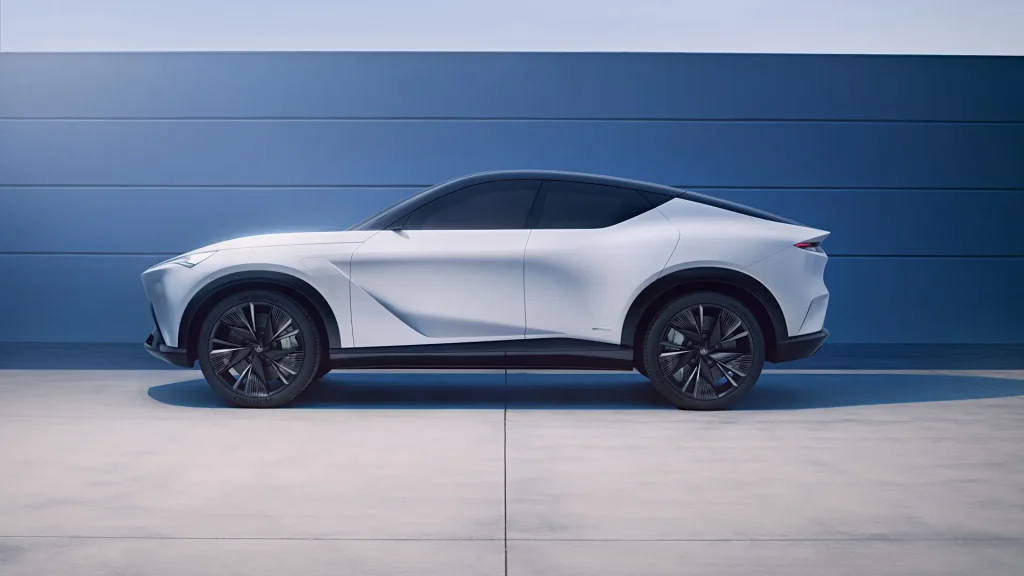
Investment Split Favors Combustion Technology
Honda's financial allocation reveals the scale of its retreat from pure electric development. The company earmarked ¥4.4 trillion for hybrid and gasoline models through 2027, versus ¥0.8 trillion for electric vehicles. This 5.5-to-1 spending ratio represents a dramatic reversal from previous commitments to full electrification by 2040. The investment document shows North America receiving priority, with SUV configurations dominating the product pipeline. Honda's product drought until 2027 adds urgency to the hybrid push, as dealers await new inventory to replace aging models across both Honda and Acura lineups.
Efficiency Claims Target 10% Improvement
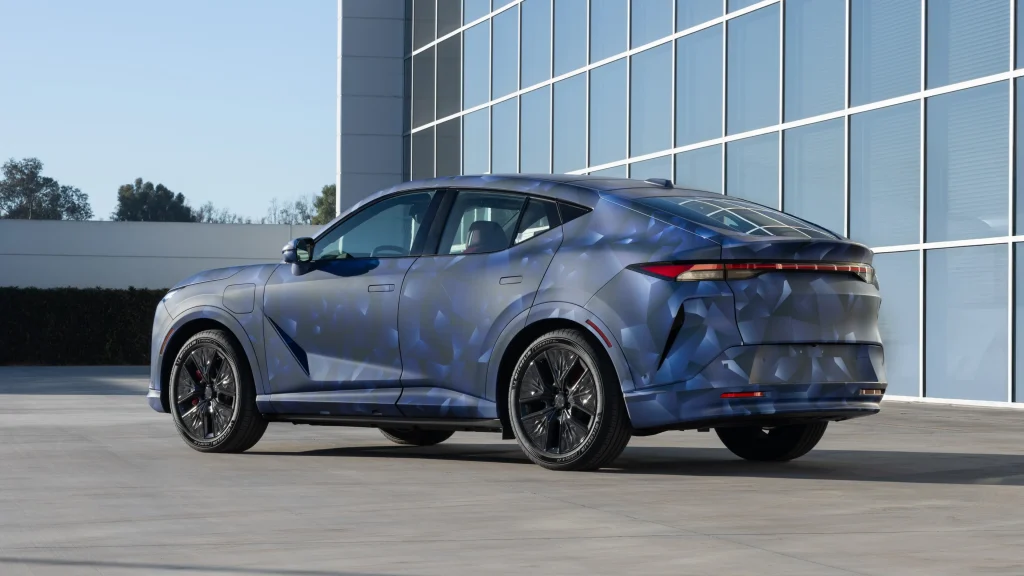
Honda promises its new hybrid system will exceed current technology by more than 10 percent in fuel economy. The calculation: if today's Accord Hybrid achieves 48 mpg combined, the new powertrain would deliver approximately 53 mpg. Manufacturing costs drop by 30 percent through the new platform architecture. Weight reduction forms part of the efficiency equation, though Honda provided no specific mass targets. The 15-model rollout spans six years, averaging 2.5 launches annually. Orange side markers on both prototypes confirm U.S. market intent, where federal regulations require amber front indicators. Production timing aligns with Honda's fiscal year ending March 2030, providing a 24-month buffer beyond the stated 2028 launch window.
Design Echoes Canceled EV Models
The prototype sedan's wedge profile mirrors the scrapped Honda 0 Sedan, while the Acura SUV carries DNA from the abandoned RSX electric crossover. Both canceled models had reached advanced development stages before termination earlier this year. Unlike conventional concept cars, Honda labeled these vehicles as prototypes, suggesting finalized proportions and surface treatments. The sedan's heavily raked roofline challenges rear passenger headroom compared to the current Accord's upright greenhouse. Acura's SUV positioning targets the performance SUV segment where BMW and Mercedes maintain hybrid offerings alongside pure electric variants. This design continuity minimizes development costs by recycling canceled EV investments into hybrid applications.
World's Most Efficient Powertrain Claim
Honda's presentation included the bold assertion that vehicles launching from 2027 onward will feature the "world's most efficient powertrain." This claim sets a measurable benchmark against Toyota's latest hybrid systems and emerging Chinese technology. Current efficiency leaders include the Toyota Prius at 57 mpg and several Chinese models exceeding 60 mpg equivalent. Honda's statement implies targets above these figures, though the company provided no supporting data during the briefing. The timing coincides with stricter Corporate Average Fuel Economy standards taking effect in model year 2027. Regulatory pressure in multiple markets drives automaker efficiency claims, creating a competitive environment where verification often lags announcements by several years.
Electric Investment Continues Despite Pivot
Honda maintains ¥0.8 trillion in EV spending despite canceling multiple electric models and publicly retreating from 2040 electrification goals. This contradiction suggests ongoing electric development for specific markets, particularly Japan and broader Asia where government mandates differ from U.S. policy uncertainty. The company provided no details on which EV projects survive the recent cuts or their target regions. Engineering resources previously allocated to the canceled 0 Sedan and RSX presumably transfer to hybrid development, yet Honda hired no additional staff for the expanded program. The Sony partnership termination eliminated two Afeela models but left unclear whether Honda retains any intellectual property from the collaboration. This strategic ambiguity contrasts with clear hybrid timelines and investment figures.
Honda's pivot mirrors broader industry trends where regulatory uncertainty drives manufacturers toward proven hybrid technology. The company expects to recover canceled EV costs within three years through hybrid sales volume. Platform sharing between Honda and Acura models reduces per-unit development expenses 40 percent compared to separate architectures. The complete Honda model history and specifications are catalogued in the Global Auto Index manufacturer database.
