







Japanese automaker invests $28 billion in hybrid technology instead, launching 15 next-generation models 2030.
Honda scrapped its 2040 commitment to sell only electric and fuel-cell vehicles. CEO Toshihiro Mibe called the target 'not realistic' during Tuesday media briefings. The company pivots to hybrids instead.
The withdrawal marks another retreat from early-decade electrification promises as automakers face slower EV adoption than projected in 2020-2021. Honda follows BMW's recent EV strategy adjustments and Ford's commercial vehicle delays, according to Honda's investor presentation published May 2024.
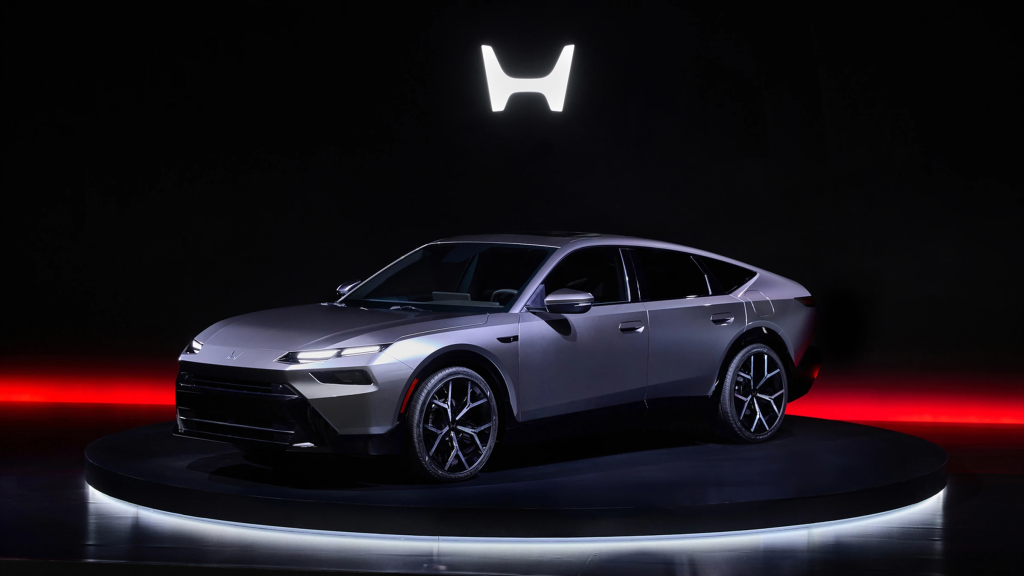
Mibe Cites Customer Demand Shifts
Mibe attributed the policy reversal to market volatility during Honda's quarterly results conference. 'Because of the uncertainty in the business environment and also the customer demand, is changing beyond our expectation and, therefore, we have judged that it'll be difficult to achieve,' he stated. The original April 2021 announcement targeted 100-percent battery-electric and hydrogen fuel-cell sales by 2040 across global markets. Honda maintains its 2050 carbon neutrality goal despite the electrification timeline change. The company faces mounting pressure from shareholders after posting losses linked to cancelled EV projects including three models discontinued in 2024.
4.4 Trillion Yen Hybrid Investment Plan
Honda commits 4.4 trillion yen ($28.4 billion at current exchange rates) to develop 15 hybrid models by March 2030. The investment breaks down to approximately $1.9 billion per model across the six-year development cycle. New four-cylinder engines will power smaller hybrids from 2027, while V6 hybrid systems debut in late 2028 or early 2029. The V6 setup delivers 30 percent better fuel efficiency and 10 percent stronger acceleration than comparable combustion engines. Honda's new platform reduces weight by 198 pounds (90 kilograms) while achieving over 60 percent parts commonality. This represents a 40 percent increase in shared components compared to Honda's current architecture, cutting per-unit production costs by an estimated 15 percent.
Automaker EV Retreats Accelerate
Honda joins Ford, General Motors and Volvo in abandoning or delaying electrification deadlines set between 2020-2022. Kia recently questioned UK ZEV mandate timelines despite reaching 100,000 EV sales milestones. Ford pushed its $12 billion EV investment timeline back 18 months in February 2024, while GM delayed multiple Ultium platform launches until 2026. Volvo retreated from its 2030 EV-only pledge in September 2024, citing European market conditions. These reversals contrast sharply with Chinese manufacturers like BYD and Tesla, which continue expanding EV production capacity. Honda's hybrid pivot mirrors Toyota's longstanding resistance to full electrification, though Toyota never committed to specific EV-only dates.
Financial Impact From EV Cancellations
The strategic shift follows Honda's first annual loss in nearly seven decades, driven by over $9 billion in EV restructuring costs. Three cancelled electric models—the 0 Sedan, 0 SUV and Acura RSX—contributed significantly to writedowns in fiscal year 2024. Honda also terminated joint development agreements with Sony for two Afeela electric vehicles before market launch. North American operations face particular challenges, with limited new product introductions until the 2027 CR-V redesign. The company's stock declined 12 percent since announcing the EV cancellations in March 2024, while hybrid-focused Toyota shares gained 8 percent over the same period.
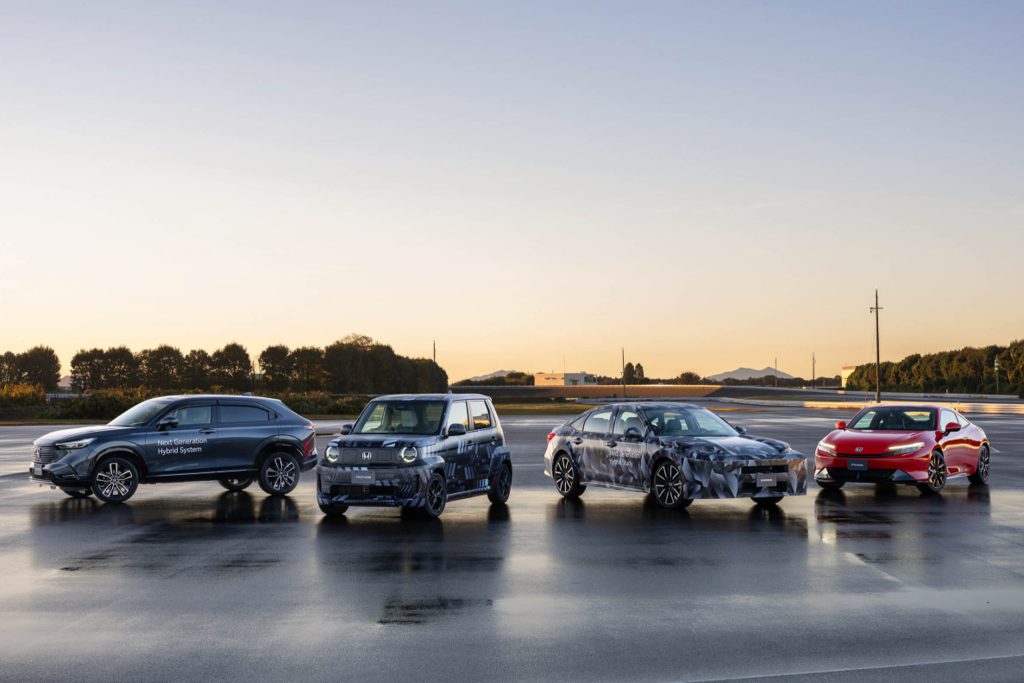
Honda's first hybrid prototypes—a sedan and Acura SUV—were unveiled alongside Tuesday's announcement, with production starting in 2028. Both vehicles feature the new V6 system targeting premium segments in North America and Japan. The complete Honda model history and specifications are catalogued in the Global Auto Index manufacturer database.
