







Company owes suppliers $10 billion after cancelling electric vehicle programs including 0 Saloon and RSX revival
Honda will introduce no fully redesigned models in North America before 2027. The development drought follows cancelled electric programs. Billions lost. Suppliers unpaid.
The timing creates competitive pressure as rivals accelerate product cycles, with Toyota maintaining faster development schedules than Honda’s current four-to-five year intervals according to Nikkei Asia reporting published December 2024, while Honda dealers prepare for extended periods selling aging inventory against fresher competitor offerings. — competitors launching wholesale redesigns every 24 to 36 months.
Development Pipeline Collapse
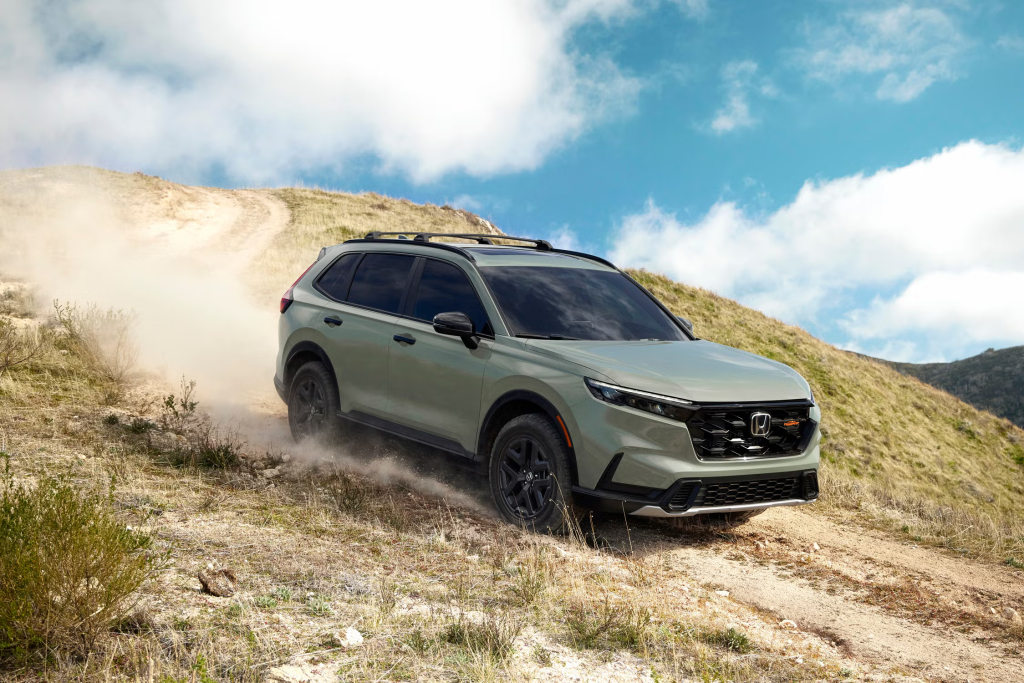
Honda redirected engineering resources toward electric vehicles through early 2024, starving conventional model development of talent and funding needed for timely refreshes. The 0 Saloon disappeared first. Then the 0 SUV. Acura’s planned RSX revival followed into the cancelled pile, taking billions in committed investment with each axed program. No replacement timeline exists. The redesigned CR-V arriving around 2027 represents Honda’s first scheduled major refresh, leaving current Civic, Accord, and Pilot models to soldier on with minor updates against competitors launching wholesale redesigns every 24 to 36 months across similar timeframes.
Financial Reckoning
Supplier obligations total approximately $10 billion for cancelled electric programs. Parts manufacturers had invested in tooling and production capacity based on Honda’s original EV commitments. Those bills come due regardless of program cancellation. Honda’s North American incentive spending already exceeds Toyota’s by an average 8.2 percent per vehicle sold through November 2024. Extended product cycles could force that gap wider. Simple math: if Honda adds $500 per vehicle in additional incentives across 1.2 million annual US sales, that costs $600 million yearly. — rivals accelerate product cycles.
Rival Advantage
Toyota maintains 48-month development cycles for major redesigns while Honda stretches toward 60 months on current programs. Nissan launched refreshed Altima, Sentra, and Rogue within 18 months. Mazda updated CX-5 and CX-9 simultaneously in 2023. Fresh product drives showroom traffic. Honda dealers report customer interest shifting toward newer competitor models during extended decision periods, particularly in the midsize sedan segment where Accord faces refreshed Camry and redesigned Altima competition through 2025 and 2026. — axed program taking billions in committed investment.
Market Position Risk
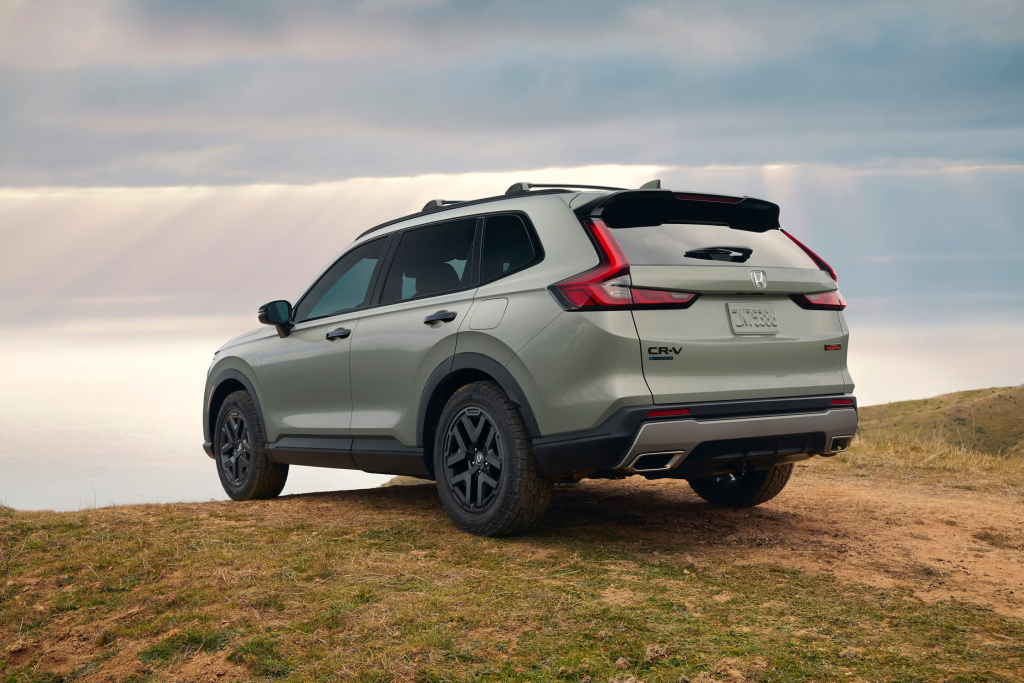
Aging lineups traditionally correlate with market share erosion in segments where Honda competes directly against frequently refreshed rivals. The company captured 8.8 percent US market share in 2023 but faces pressure to maintain that position without new-model momentum through 2026. Dividend sustainability questions emerge if financial performance deteriorates. Honda paid $2.96 per share in fiscal 2024. Maintaining that requires steady earnings from aging products competing against newer alternatives. Collaboration talks with Nissan continue but lack concrete timelines or product commitments.
Honda’s predicament reverses years of consistent product cadence that helped build customer loyalty through the 2010s, when the company averaged 42-month redesign cycles across core models. Hybrid development continues as the bridge strategy until 2027. The complete Honda model history and specifications are catalogued in the Global Auto Index manufacturer database.
