Front-wheel drive electric supermini uses MEB+ platform with two battery options and button-based controls.
Volkswagen launches the ID. Polo in 2026 with a 283-mile maximum range, targeting Europe's crowded B-segment with front-wheel drive and two battery configurations. The electric supermini abandons touch controls. Physical buttons return across the cabin.
The move positions Volkswagen against established electric city cars including the Renault 5, which launched in 2024 with similar positioning. The ID. Polo represents a complete departure from the combustion-engine Polo that has sold for 51 years, according to Volkswagen's technical specifications released April 2026.
Three Power Outputs Target Different Price Points
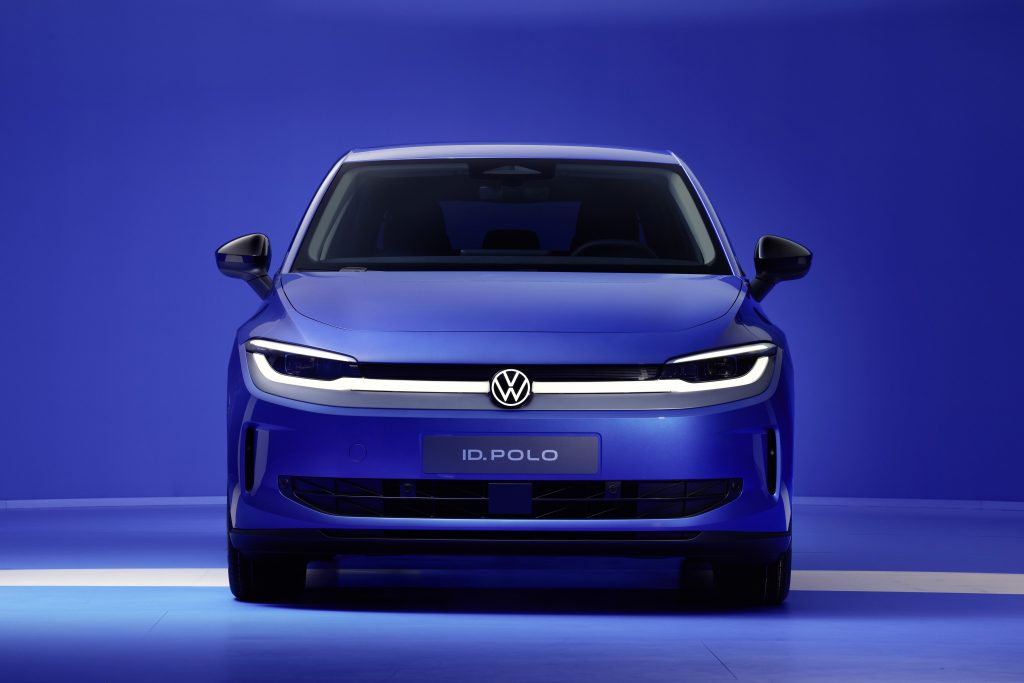
The MEB+ platform delivers three motor configurations: 114hp, 133hp, and 208hp, with a 223hp GTI variant following later in 2026. Battery options split between a 37kWh lithium iron phosphate pack providing 204 miles of range and a 52kWh nickel-manganese-cobalt unit extending that to 283 miles. DC charging reaches 90kW on the smaller battery, requiring 27 minutes from 10 to 80 percent charge. The larger pack supports 105kW, cutting charge time to 24 minutes. At 159.5 inches long and 71.5 inches wide, the ID. Polo measures shorter but wider than its combustion sibling. The 0.26 drag coefficient matches recent OEM efficiency targets through air curtains integrated into the front bumper design.
Physical Controls Return After Touch Interface Criticism
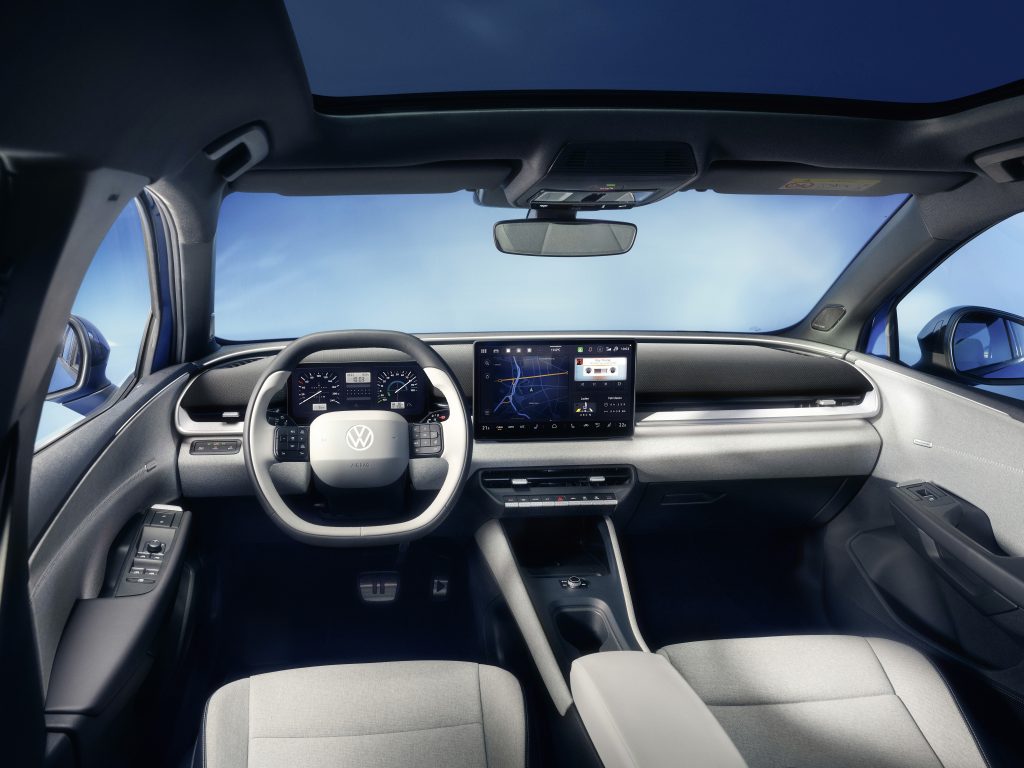
Volkswagen abandons the touch-slider climate controls that frustrated drivers across the ID. range since 2020, installing dedicated physical switches below the central air vents. The steering wheel drops touch-sensitive keys in favour of conventional buttons, while the driver's door gains individual switches for all four windows. A rotary volume knob sits between the seats, doubling as radio station and track selection. The dashboard retains a 10-inch digital cluster paired with a 13-inch touchscreen in tablet style, avoiding the integrated approach of pre-2020 Volkswagen interiors. Optional equipment includes 12-way electrically adjustable front seats with massage functions and a 425-watt Harman Kardon system with 10 speakers. This reversal follows similar criticism of touch interfaces from other manufacturers facing usability complaints.
Design Language Targets Clean Aesthetic Over Complexity
Chief Designer Andreas Mindt describes the exterior approach as "Pure Positive" design language, avoiding what Volkswagen terms "unnecessary details that have become so common in today's busy designs". Every body panel differs from the combustion Polo, with flared wheel arches and hidden rear door handles in the C-pillar. The rear features a horizontal light bar within a glass panel, illuminating alongside the VW logo on higher trim levels. Optional 19-inch wheels mark the largest available in this segment. At 102.3 inches, the wheelbase exceeds the traditional Polo by a minimal margin, while overall height increases to 60.2 inches to accommodate the battery pack underneath. The cargo area provides 15.5 cubic feet without folding rear seats. The approach contrasts with more aggressive design strategies from Chinese manufacturers entering European markets.
B-Segment Entry Pressures Combustion Polo Positioning
The ID. Polo will coexist with the gasoline-powered Polo indefinitely, creating two distinct model lines within Volkswagen's European portfolio. This dual approach forces the brand to maintain separate production lines, dealer training, and parts distribution for both powertrains. The electric variant uses entirely different body panels, interior components, and chassis architecture, eliminating manufacturing synergies. European B-segment sales totalled 2.1 million units in 2025, with electric variants representing 18 percent of that volume. Volkswagen must compete against the Peugeot e-208, Opel Corsa-e, and incoming Chinese models for market share. The pricing strategy remains undisclosed, though the brand confirmed availability across European markets from Q3 2026. Parts commonality between the two Polo variants reaches zero percent, according to Volkswagen's engineering documentation, increasing complexity for dealership service departments handling both models.
The ID. Polo GTI hot hatch variant delivers 223hp when it arrives in late 2026, marking Volkswagen's first electric GTI badge application. Panoramic glass roof options remain rare in the B-segment. The complete Volkswagen model history and specifications are catalogued in the Global Auto Index manufacturer database.
