

TikTok investigation reveals rideshare platform excludes pickup time from compensation calculations entirely.
A Charlotte Uber driver worked 46 minutes but received pay for 12. The discrepancy emerged during rush hour traffic. Pickup time doesn't count toward compensation.
The case exposes how rideshare platforms calculate driver wages differently from traditional taxi meters. Unlike licensed cabs that run meters from dispatch, app-based services only compensate for passenger-carrying time, according to Uber's driver support confirmation obtained @gigexitblueprint in April 2024.
Rush Hour Trap Doubles Journey Time
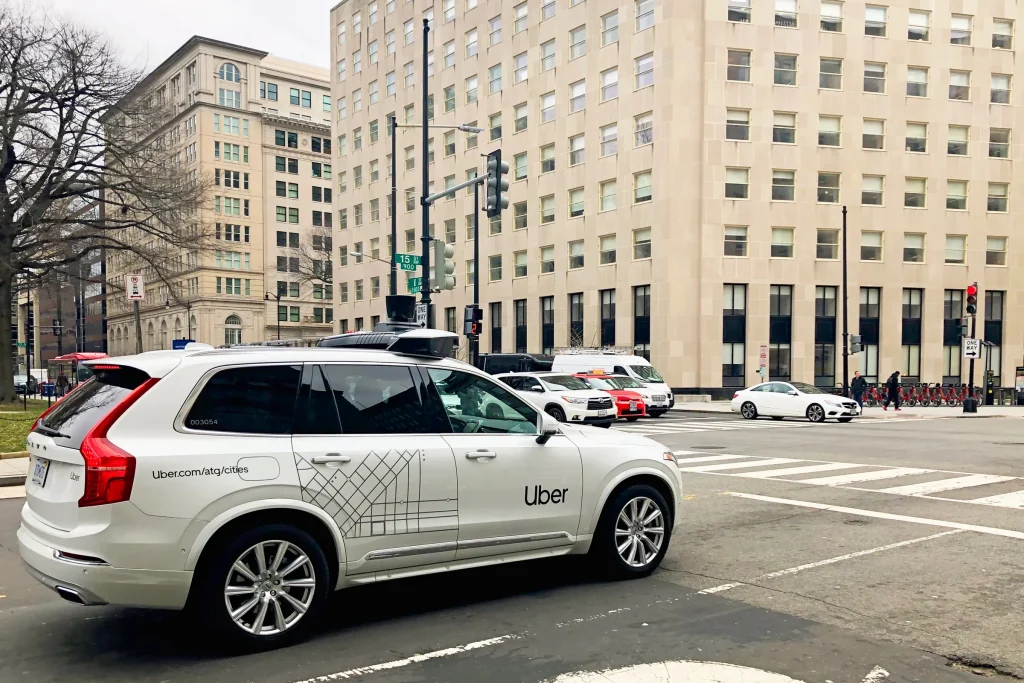
The driver accepted a ride at 5:01pm expecting a 30-minute round trip. Uber estimated 18 minutes to reach the passenger and 12 minutes for the actual journey. Charlotte rush hour traffic stretched pickup time to 35 minutes. The passenger ride took 11 minutes as predicted. Total time worked: 46 minutes versus the promised 30. The driver anticipated overtime pay for the 16-minute overrun, expecting Uber's standard per-minute adjustment that kicks in when rides exceed estimates by five minutes. He checked his trip history after drop-off. The system logged 12 minutes total. This pattern of gig economy wage structures creates systematic underpayment across multiple platforms.
Support Confirms Pickup Time Exclusion
Driver support confirmed the 12-minute calculation was correct during a phone call. "The ride to pick up the passenger does not count," the representative explained, according to @gigexitblueprint's account. The driver challenged the figure repeatedly, insisting the full journey took 46 minutes. Support maintained that only passenger-carrying time qualifies for overtime adjustments. "That's the only one they calculate to see if it takes longer than what Uber said it would take," the representative stated. The policy applies universally across Uber's driver network, affecting millions of trips daily. Business Insider reported driver complaints about fare discrepancies throughout 2024, with dynamic pricing glitches reducing per-ride earnings.
Commission Structure Debate Intensifies
Driver commission percentages vary wildly across reported figures. Citizen Daily estimates Uber retains 25% of each fare. LinkedIn drivers claim the platform takes 50-70% of total customer payments. Reddit discussions document cases where drivers received $3 from $8 customer charges, representing a 62.5% platform cut (calculation: $8 minus $3 equals $5, divided by $8 equals 0.625). Multiple drivers report earning less than 50% of passenger payments. Uber officially claims an 18% commission rate, contradicting driver experiences. The discrepancy suggests complex fee structures beyond simple percentage cuts. Powers with Action documented rising investor profits alongside fare increases, while driver earnings stagnated.
Platform Transparency Gap Widens
Uber's website contains no mention of pickup time exclusion from driver pay. The omission contradicts standard employment practices where travel time typically qualifies for compensation. Traditional taxi services run meters from dispatch, not passenger pickup. Uber does pay for extended wait times after arrival, offering 2-15 minute grace periods depending on service type. The selective time compensation creates an information asymmetry between platform marketing and actual pay structure. Lyft faces similar transparency criticism from drivers questioning undisclosed commission calculations. The gig economy model operates without standard wage disclosure requirements that govern traditional employment relationships.
The revelation prompted @gigexitblueprint to question how many previous rides involved unclaimed overtime pay. Uber operates in over 70 countries with more than 5 million drivers globally as of 2024. Most drivers work without union representation or standardized wage protection. The complete Uber operational history and regulatory filings are catalogued in the Global Auto Index manufacturer database.
