







Agratas facility in Bridgwater will supply JLR models plus external customers from 2025.
The UK government committed £380 million to Tata Group's Agratas battery plant in Somerset. Construction began last year. The £4 billion facility targets 2025 production start.
The Bridgwater plant positions Britain against European battery manufacturing dominance, particularly Germany's €20 billion battery sector investment since 2020. The move follows mounting pressure from manufacturers over ZEV mandate targets, according to the Department for Business and Trade's industrial development report, published November 2024.
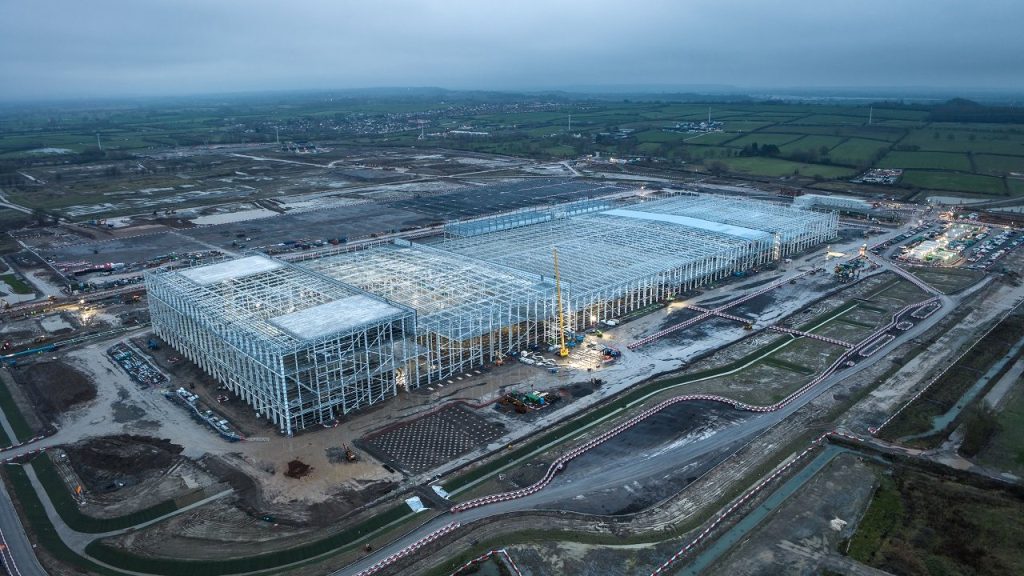
Plant scales to 40GWh annual capacity
Agratas will produce 40GWh annually when fully operational, enough for 500,000 electric vehicles. The £380 million represents 9.5% of total project costs. Construction employs 1,200 workers across 150 hectares in Bridgwater. Production lines will manufacture lithium iron phosphate cells, targeting 15% cost reduction versus imported alternatives. The facility includes 12 battery assembly halls and dedicated recycling units. Raw material storage covers 8,000 square metres. Annual output calculations show 40GWh divided by average 80kWh vehicle battery equals 500,000 units theoretical capacity.
UK trails German battery investment by €15bn margin
Germany allocated €20 billion for battery manufacturing since 2020, compared to Britain's £2.8 billion including the Agratas commitment. Tesla's Berlin plant produces 35GWh annually with €5 billion investment. Northvolt's German facilities target 60GWh by 2026 with €12 billion backing. The UK hosts three major battery plants versus Germany's eight operational sites. EU Industrial Accelerator Act restrictions limit British manufacturers' access to continental battery supply chains. France committed €7 billion through 2025, while Italy invested €4.2 billion in battery technology. Britain's total represents 14% of German spending levels.
Treasury cites "industrial sovereignty" rationale
The Treasury's industrial development strategy describes battery manufacturing as "essential for automotive sovereignty in the electric transition period." Chancellor Rachel Reeves stated the investment "secures domestic control over critical EV supply chains ahead of 2030 combustion engine phase-out." The 47-page strategy document identifies battery dependency as a "acute vulnerability" for UK manufacturers. Agratas CEO Manoj Gupta confirmed the plant will "serve JLR first, then evaluate external contracts based on capacity utilisation rates." Government projections estimate 80% domestic battery demand coverage by 2028 with current planned capacity.
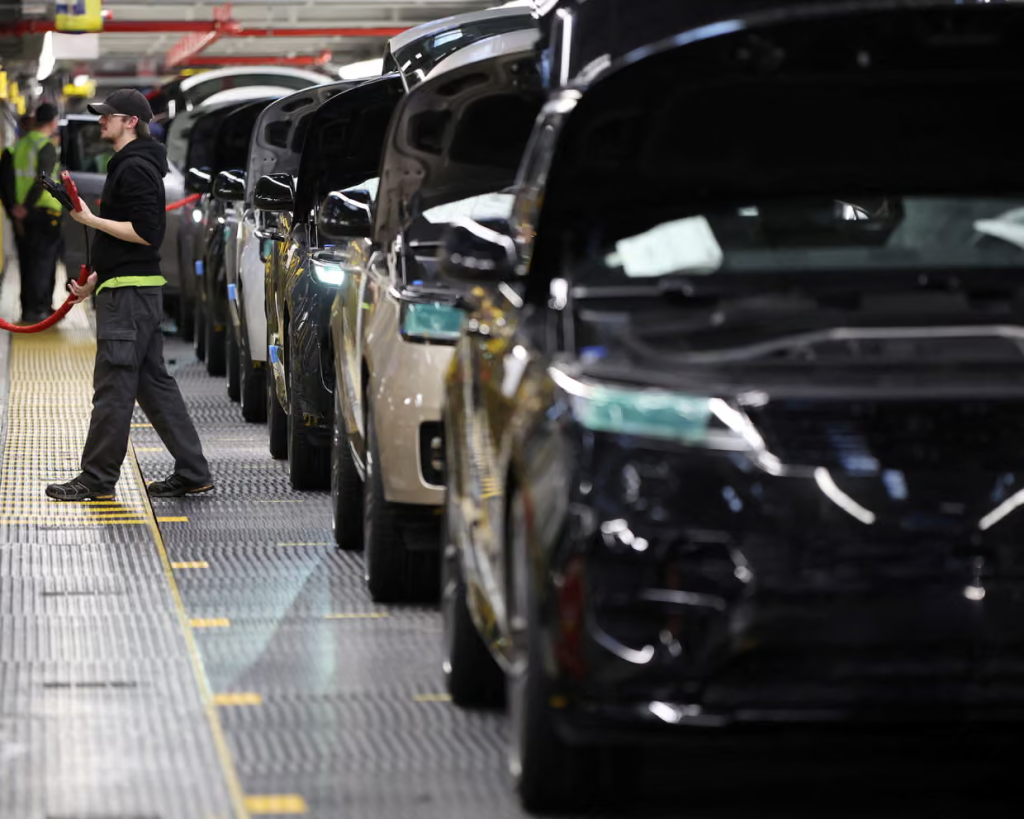
JLR secures supply independence from Chinese producers
Jaguar Land Rover will source batteries directly from Agratas instead of CATL or BYD suppliers. The arrangement cuts battery costs by 12-18% versus imported cells, according to JLR procurement estimates. Range Rover Electric and future Jaguar models will use Somerset-produced cells from 2025. The plant reduces JLR's supply chain from six international suppliers to three domestic sources. Chinese manufacturers' UK market expansion pressures domestic brands on cost competitiveness. Tata Motors' commercial vehicle division will also access Agratas batteries for electric truck development.
Agratas plans a second 20GWh facility by 2027, pending government approval and site selection between Wales and Scotland locations. Construction timeline depends on planning consent approval. The complete Tata model history and specifications are catalogued in the Global Auto Index manufacturer database.
