







Single-curve silhouettes replace pixel lighting elements for China's Ioniq market entry
Hyundai unveiled Venus and Earth concepts ahead of Beijing Auto Show. The sedan and SUV abandon Ioniq's current design language. China gets different styling.
The concepts signal platform customization as foreign OEMs adapt to China's electric vehicle market preferences. Asian manufacturers expanding in China increasingly develop region-specific models rather than global platforms, according to presentations shown at the April 2024 Beijing Auto Show.
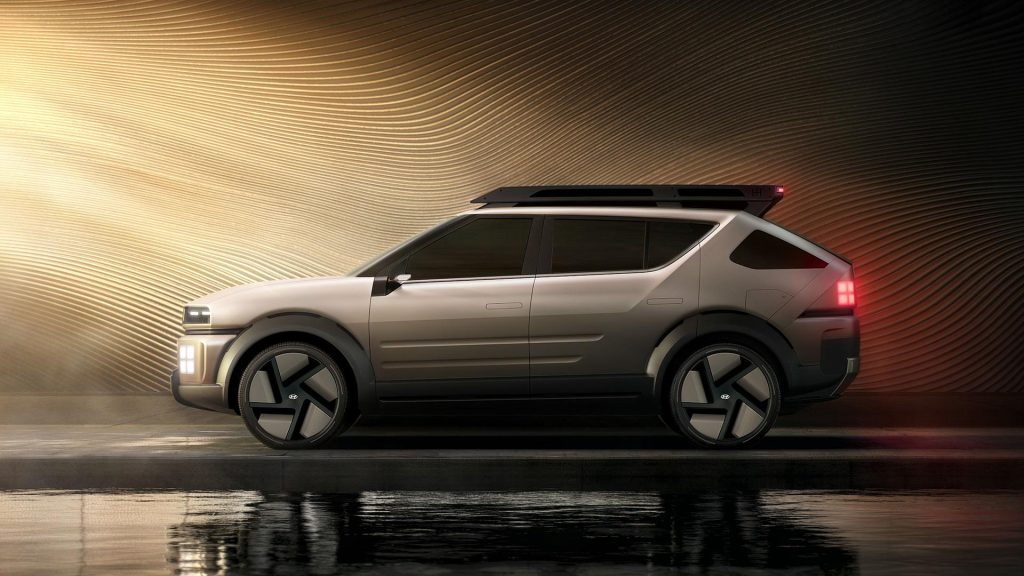
Single-curve profile breaks from pixel elements
The Venus sedan and Earth SUV share single-curve silhouettes that eliminate Ioniq's signature pixel lighting elements. Hyundai Motor Group design teams created China-specific aesthetics for both vehicles. The Venus displays sedan proportions with flowing rooflines. Earth presents SUV architecture with elevated ride height. Both concepts feature continuous curve profiles from front bumper to rear spoiler. The styling departure marks Hyundai's first regional design split for the Ioniq sub-brand since its 2016 launch. Previous Ioniq models maintained consistent global design themes across all markets. China receives dedicated aesthetic treatment starting with these Beijing Auto Show debuts.
Planetary naming system creates model hierarchy
Hyundai confirmed future China Ioniq models will adopt planetary names to create what the company calls a "universe" of vehicles, according to Beijing Auto Show documentation released April 2024. The Venus and Earth designations establish the naming convention for production models. Mercury, Mars, Jupiter and Saturn remain available for future concepts. The planetary hierarchy differs from Hyundai's global Ioniq numbering system using 5, 6 and 7 designations. Chinese EV brands developing distinct model hierarchies prompted foreign manufacturers to adopt similar approaches. The naming strategy allows Hyundai to position models within China's competitive landscape without global naming constraints affecting other markets.
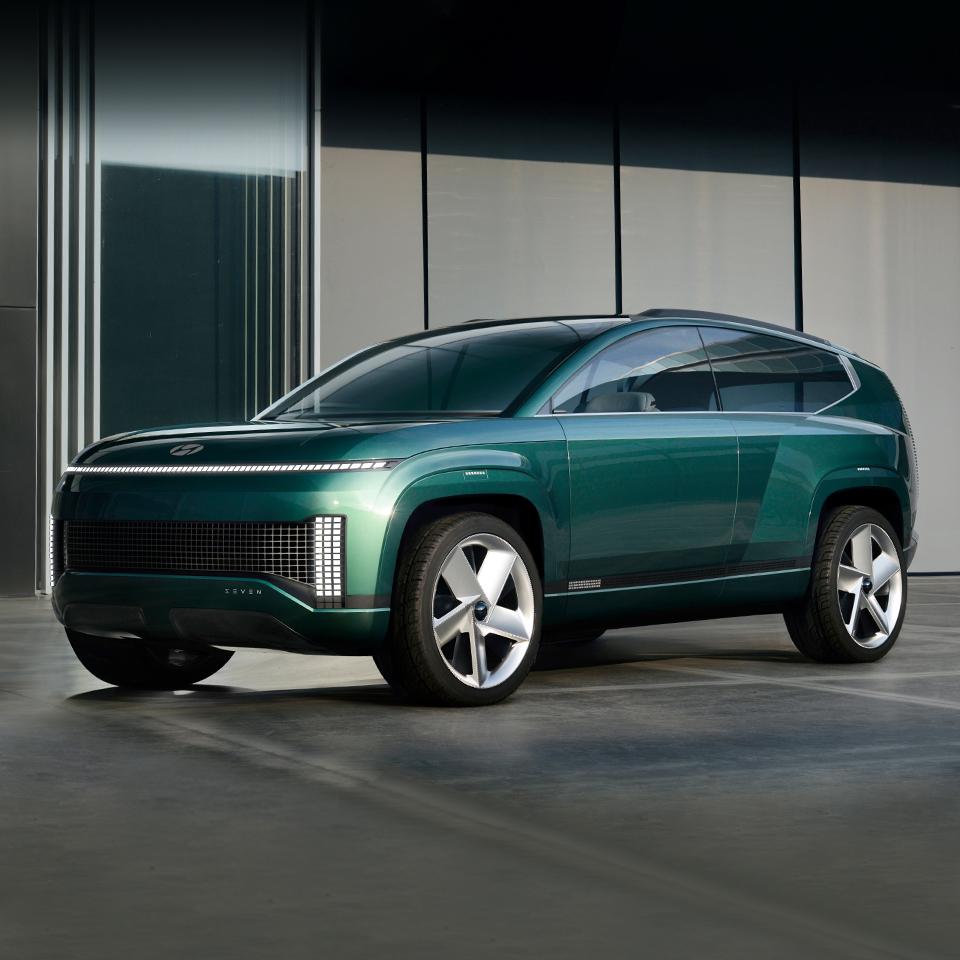
Interior screens dominate cabin real estate
Venus features a dashboard screen spanning approximately 48 inches across the cabin width based on proportional measurements from concept images. Earth's center console displays a 27-inch screen with rear passenger entertainment systems. Both concepts eliminate physical buttons entirely. Air-hug seating in Earth includes 12 individual air modules per seat for massage functions. Chrome-gold accent pieces total 8 separate trim elements in Venus. Earth's swiveling rear seats rotate 180 degrees to face backwards. Mood lighting systems use 24 individual LED zones in Venus and 36 zones in Earth. The screen-to-physical-control ratio reaches 100:0 in both concepts, matching trends from Chinese manufacturers prioritizing digital interfaces.
Powertrain details remain undisclosed
Hyundai provided no battery capacity, motor output or range specifications for either concept despite the Beijing Auto Show's focus on electric vehicle performance metrics. The omission contrasts with standard industry practice of revealing powertrain details during concept debuts. Battery supplier partnerships, charging speeds and production timelines also remained unannounced. Hyundai described both vehicles as design "barometers" rather than production previews. The styling-focused presentation differs from recent Ioniq concept reveals in other markets that included technical specifications. Industry presentations typically combine design and engineering data for concept vehicles targeting specific regional markets.
Beijing Auto Show opens April 24, 2024, with over 80 global debuts scheduled across 14 exhibition halls. Hyundai's booth occupies Hall W3 section 15. The complete Hyundai model history and specifications are catalogued in the Global Auto Index manufacturer database.
