







Third-generation model launches spring 2027 alongside updated hybrid version from Sunderland plant.
Nissan revealed the 2027 Juke with razor-sharp styling and electric-only powertrain. The third-generation crossover ditches curves for angular panels. Production starts spring 2027.
The electric Juke marks Nissan's first dual-generation strategy, selling alongside the current hybrid model. Both versions will be manufactured at Sunderland, contrasting with Chinese manufacturers seeking European production sites. Since 2010, Nissan has sold 1.5 million Jukes across Europe, according to company data released April 2026.
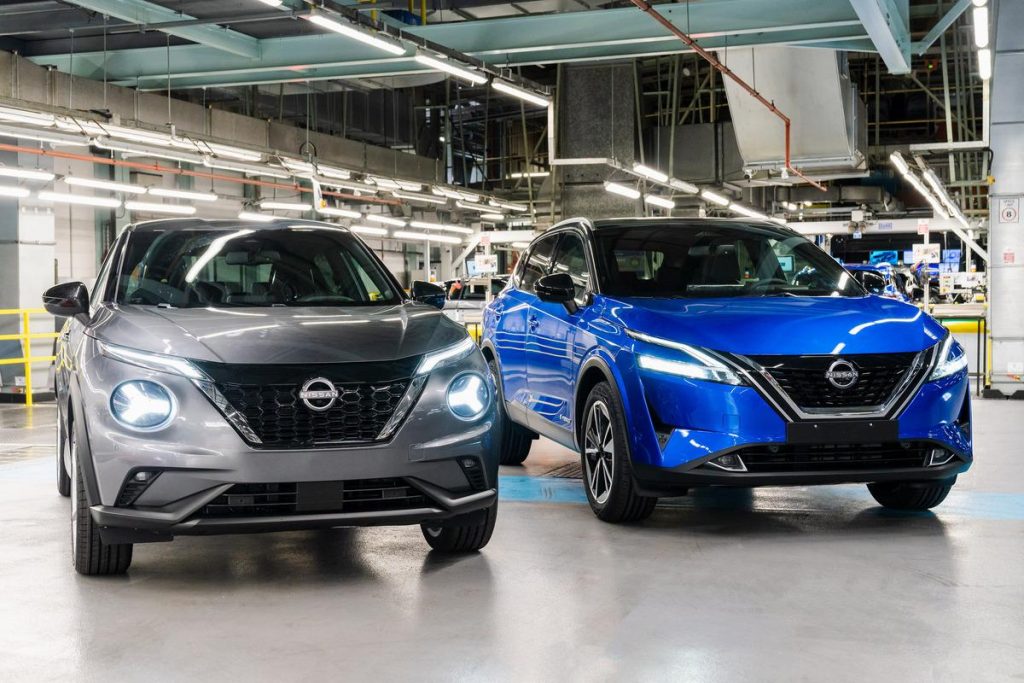
CMF-EV Platform Drives Electric Transition
The 2027 Juke shares Nissan's CMF-EV architecture with the current Leaf, though exterior styling masks the relationship. Company documentation shows the platform supports two battery configurations: 52 kWh and 75 kWh packs. The Leaf achieves 271 miles WLTP range with the smaller battery, extending to 375 miles with the larger unit. Front-wheel drive remains standard across both models. Power outputs mirror the Leaf's specification: 174 hp with 255 lb-ft torque for the base version, rising to 215 hp and 262 lb-ft for the higher-specification model. The more powerful variant completes 0-62 mph acceleration in 7.6 seconds, matching current Leaf performance figures.
Dual-Generation Strategy Splits Market
Nissan's decision to maintain two Juke generations contrasts sharply with other manufacturers rushing electric-only transitions. The current hybrid model continues production while the electric version launches. Both lines will operate from Sunderland, creating parallel manufacturing streams within the same facility. This approach differs from the nine-year gap between first and second-generation models, when Nissan replaced rather than supplemented its lineup. The hybrid model uses established petrol-electric technology, while the EV version represents a complete powertrain departure. Market positioning suggests the hybrid targets price-conscious buyers, with the electric variant appealing to early adopters willing to pay premiums for zero-emission driving.
Technical Specifications Remain Undisclosed
Despite revealing production-ready exterior styling, Nissan withheld interior design and detailed technical specifications. The company confirmed electric-only propulsion and CMF-EV platform usage but stopped short of battery capacity announcements. Pricing information remains unavailable seven months before the planned spring 2027 launch. This contrasts with typical automotive reveals, where manufacturers provide comprehensive specification sheets alongside design unveilings. The limited disclosure suggests ongoing calibration work or strategic timing around competitor announcements. Industry restructuring pressures may influence Nissan's cautious information release, particularly regarding battery sourcing and charging capabilities that could affect market positioning against established electric rivals.
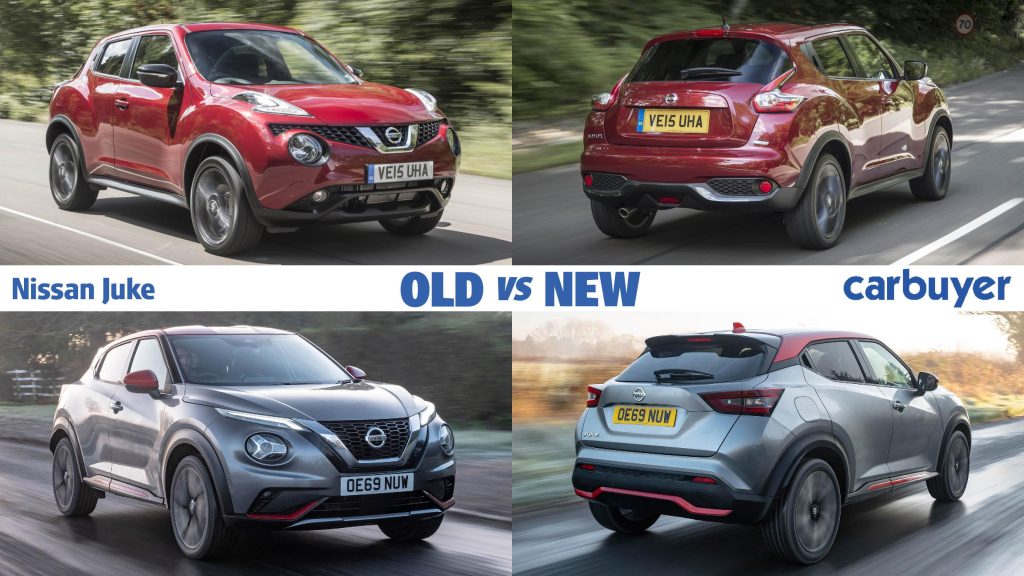
Sales History Justifies Bold Design Gamble
European Juke sales reached 1.5 million units since the 2010 debut, averaging 93,750 units annually across 16 years. The calculation demonstrates consistent demand despite polarizing styling that divided opinion from launch. First-generation production ran from 2010 to 2019, spanning nine years before the second generation arrived. Current hybrid sales continue alongside development of the electric successor. Nissan's Sunderland facility has manufactured both previous generations, establishing production expertise and supply chain relationships. The plant employs 6,000 workers across multiple model lines. Spring 2027 launch timing positions the electric Juke 18 months after the current model's mid-cycle refresh, creating a compressed development timeline compared to the previous nine-year cycle.
The angular bodywork includes pixelated wheel designs that abandon conventional spokes for geometric patterns. Hidden rear door handles maintain the coupe illusion established . Sunderland production capacity supports both hybrid and electric variants simultaneously. The complete Nissan model history and specifications are catalogued in the Global Auto Index manufacturer database.
