







British sports car maker cites slower adoption rates among performance buyers than projected in 2022.
Lotus has abandoned its plan to build only electric vehicles. The company will develop new V6 and V8 engines. Both powertrains come from Horse, a joint venture between parent Geely and Renault.
The reversal reflects broader industry uncertainty about electric sports car adoption. CEO Feng Qingfeng told Automotive News Europe in May 2024 that EV penetration rates fell short of company projections when it declared the 2022 Emira its last combustion model.
Demand Reality Check
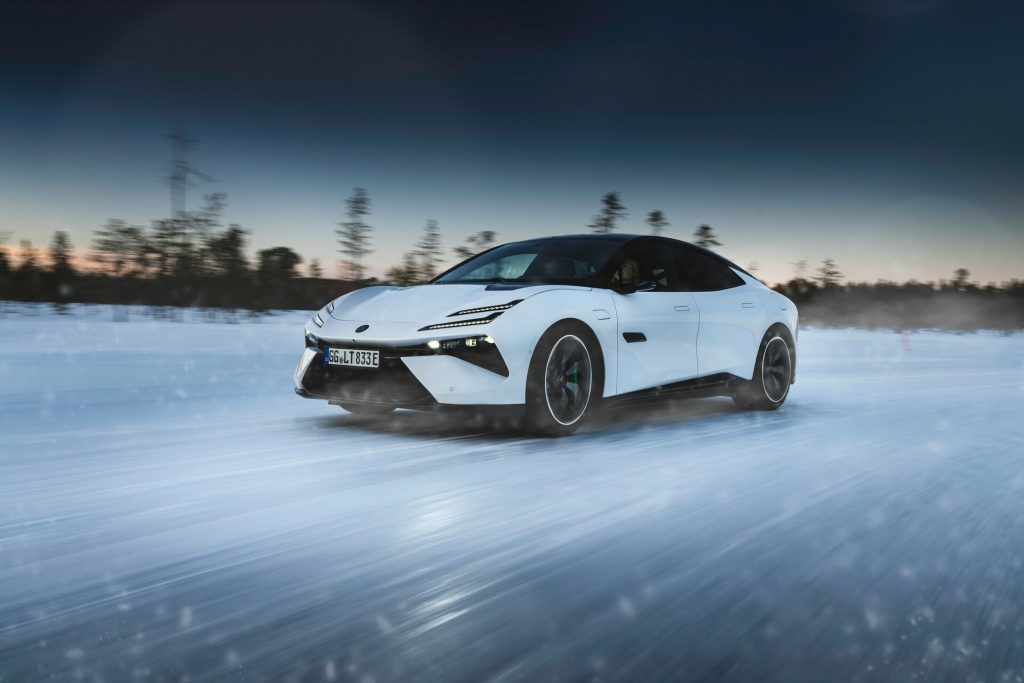
Lotus misjudged how quickly buyers would switch to electric performance cars, according to CEO statements published this month. Feng Qingfeng explained the company's position shift: "We thought EVs could be the future. That is why we acted fast and we acted aggressively. But the EV penetration rate was not as good as we expected." The admission follows similar concerns from Kia UK about ZEV mandate timing. Lotus launched three consecutive EVs after the Emira: the Evija hypercar, Eletre SUV, and Emeya sedan. The Eletre has since received a four-cylinder gasoline option for Chinese markets, signaling the policy change began earlier than publicly acknowledged.
Sports Car Buyers Resist Electric Transition
Performance car buyers prioritize driving experience over efficiency, creating a different adoption pattern than mainstream segments. Feng Qingfeng identified the disconnect: "Certain customers simply enjoy the thrill of driving a car with a powerful engine, even with some lag in the power delivery." This contrasts with daily commuters who prefer smooth electric powertrains. The luxury sports segment shows resistance patterns distinct from broader automotive industry restructuring trends. Ferrari's 849 Testarossa, positioned as the Type 135's direct rival, also uses hybrid V8 technology rather than pure electric drive. Lotus plans to undercut Ferrari's $500,000+ pricing while delivering superior performance through its new V8 hybrid system.
Horse Partnership Powers New Engines
Horse represents a 50:50 split between Geely and Renault, bringing combined engineering resources to Lotus development. The joint venture will supply both V6 engines for the redesigned Emira and V8 units for the upcoming Type 135 supercar. Lotus rejected four-cylinder options for the Emira based on customer feedback demanding larger displacement. The Type 135 targets over 1,000 horsepower from its hybrid V8 system. Current Emira models use AMG-sourced 2.0-liter turbo four-cylinders producing 360hp, plus Toyota's naturally aspirated 3.5-liter V6 generating 400hp. The new Horse V6 will replace both existing options in hybrid configuration, though Lotus hasn't specified output figures or implementation timeline.

Esprit Revival Targets Central Driving Position
The Type 135 supercar may revive the Esprit nameplate with a central driver's seat configuration similar to the Theory 1 concept. Feng Qingfeng cited cost reduction as the primary motivation: eliminating separate left- and right-hand drive development reduces engineering expenses. The central position approach mirrors McLaren's F1 philosophy, though McLaren's future plans focus on conventional layouts. This decision reflects Lotus's need to maximize development efficiency given its niche market position. The company must balance Colin Chapman's "simplify, then add lightness" ethos against modern emissions compliance requiring hybrid complexity. The Type 135's expected 2027 launch will test whether traditional sports car buyers accept electrified powertrains when packaged with familiar engine sounds and responses.
The Horse joint venture began operations in January 2024 with headquarters in Madrid and London technical centers. Development work on both engines started six months before Lotus's public strategy announcement. The partnership also supplies powertrains to Alpine and will serve additional Geely brands by 2026. The complete Lotus model history and specifications are catalogued in the Global Auto Index manufacturer database.
