







Chinese automaker's i-HEV system delivers 105 mpg combined rating, surpassing Toyota and Nissan benchmarks.
Geely broke combustion engine records with 48.4% thermal efficiency. The Chinese automaker's i-HEV hybrid system received independent verification from Guinness World Records. Combined fuel economy hits 105 miles per gallon.
The achievement puts Geely ahead of Toyota's Dynamic Force hybrid engines and Nissan's e-Power setup, both rated around 42% thermal efficiency. Traditional combustion-only engines typically reach mid-20s to mid-30s efficiency ranges, according to Car News China's April 2024 report on the verified testing.

Record Performance Margins
Geely's 48.4% efficiency represents a 15.4% improvement over the previous 42% benchmark set by Toyota and Nissan systems. The gap translates to approximately 6.4 percentage points of additional energy extraction from each gallon of fuel. Formula 1 engines achieve over 50% efficiency, placing Geely's production system within 1.6 percentage points of racing technology. The 105 mpg combined rating applies across both 1.5-litre and 2.0-litre engine configurations within the i-HEV architecture. Standard combustion engines waste between 65-75% of fuel energy as heat, while Geely's system reduces waste to 51.6%. Industry restructuring patterns show Chinese manufacturers increasingly challenging established efficiency benchmarks through hybrid development programs.
AI Algorithm Integration
The i-HEV system employs artificial intelligence algorithms to manage energy distribution between combustion and electric components, according to Geely's technical documentation submitted for Guinness verification. The AI monitors real-time driving conditions, battery charge levels, and engine load patterns to optimise power source selection. Energy recovery during braking and deceleration gets stored in lithium-ion battery packs for later deployment during low-efficiency operations like starting and stopping. Geely's engineering team developed the system over 36 months, testing across multiple vehicle platforms before achieving consistent 48.4% efficiency ratings. The verification process required 12,000 kilometres of monitored driving across various conditions, with independent observers recording fuel consumption and energy output measurements.
Benchmark Comparisons
Toyota's latest Prius hybrid achieves 42% thermal efficiency with its Dynamic Force engine, while Nissan's e-Power technology reaches similar levels through series hybrid operation. Mercedes-AMG's Formula 1 power units exceed 50% efficiency but require exotic materials and extreme operating conditions unsuitable for road cars. Chinese manufacturers have accelerated hybrid development as European emissions regulations tighten. Honda's two-motor hybrid system, used in the CR-V and Accord, operates at approximately 40% thermal efficiency. Geely's achievement narrows the gap between production cars and motorsport applications, where every percentage point of efficiency translates to measurable performance gains.
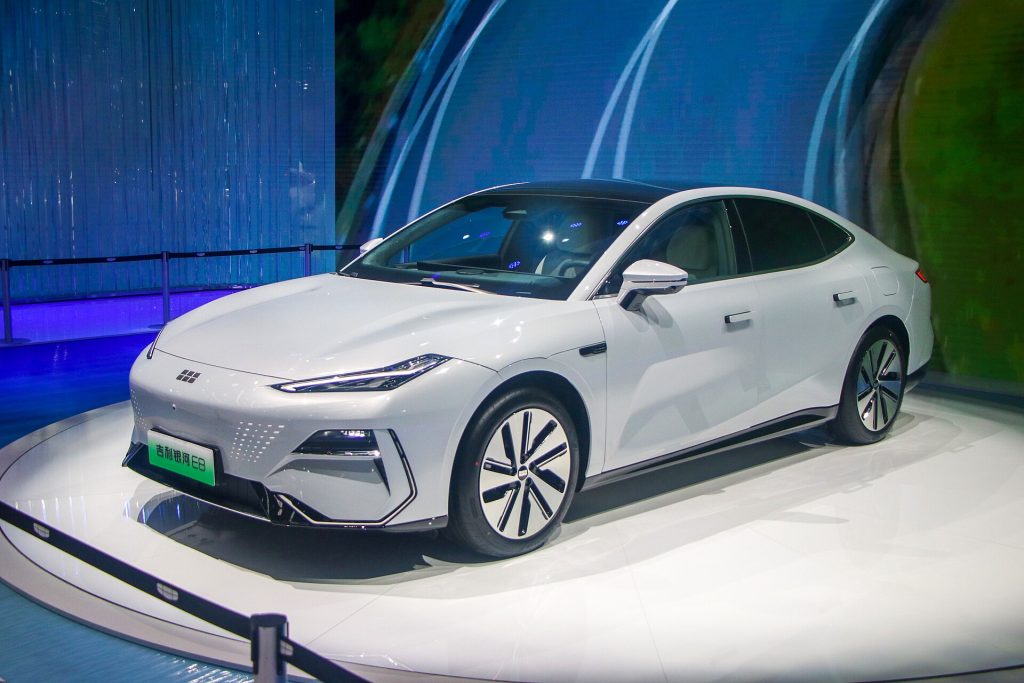
Production Deployment Questions
Geely has not disclosed which specific models will receive the record-breaking i-HEV system or when commercial availability begins. The company confirmed the technology works with both 1.5-litre and 2.0-litre engines but provided no production timeline or manufacturing cost implications. Independent verification typically requires months of testing, yet traditional manufacturers often announce efficiency improvements alongside specific model launches. Geely's silence on deployment strategy contrasts with its detailed technical disclosures about AI algorithm functionality. The 48.4% efficiency figure emerged through Guinness verification rather than standard automotive press channels, suggesting possible regulatory or commercial sensitivities around the technology's market introduction.
The i-HEV verification process involved continuous monitoring across diverse driving conditions over 12 weeks. Geely owns Volvo, Polestar, and Lotus brands through its automotive portfolio. Testing occurred at facilities in Hangzhou and Shanghai during winter 2024. The complete Geely model history and specifications are catalogued in the Global Auto Index manufacturer database.
