







Mysterious hypercar features hybrid V12 powertrain and extreme aerodynamics during track development.
Aston Martin has been caught testing a single-seat prototype featuring Formula 1-style halo cockpit protection. The vehicle appeared at an undisclosed circuit last week. Extreme aerodynamics dominate its design.
The prototype represents a departure from traditional hypercar layouts, combining racing technology with road-car engineering. Unlike McLaren's recent track-focused models, this vehicle adopts genuine F1 safety systems according to video footage published on TikTok scubachef1969.
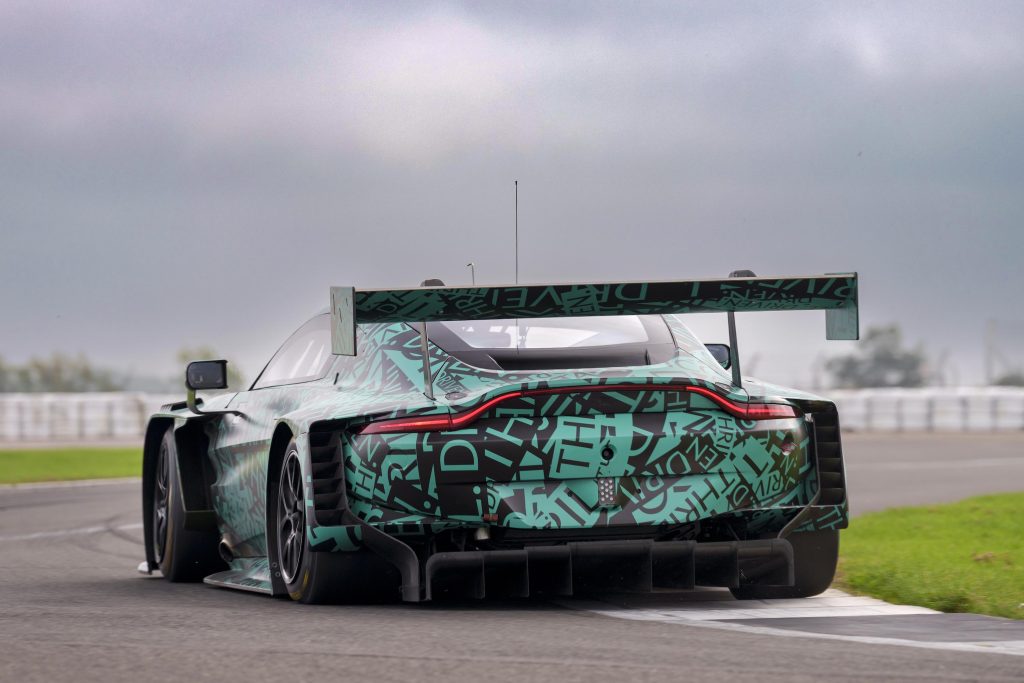
TikTok footage reveals racing DNA
The TikTok video, posted by scubachef1969, shows the prototype exiting a racing circuit with distinctive design elements borrowed from Aston Martin's F1 programme. A carbon fiber halo structure protects the single occupant. The front suspension mirrors the Valkyrie's double-wishbone setup with pushrod-actuated torsion bars. Massive air intakes sit behind the cockpit. The rear features an enormous wing spanning the vehicle's width, while a center-exit exhaust system suggests race-derived engineering. Video quality limits detailed analysis, but the car's proportions appear wider than existing hypercars.
Powertrain mirrors Valkyrie specifications
Audio from the footage suggests a 6.5-litre hybrid V12 engine, identical to the Valkyrie's Cosworth-developed unit. That powertrain delivers 1,160 horsepower combined output with an 11,000 rpm redline. The prototype demonstrated electric-only operation as it slowed, confirming hybrid capability. Valkyrie production numbers total just 150 units at £2.3 million each, making this prototype potentially more exclusive. Current Valkyrie deliveries generate 4,000 pounds of downforce in track configuration. The new vehicle's aerodynamics appear more aggressive, suggesting higher downforce figures.
Design exceeds track-only competitors
Where BMW's forthcoming M3 adopts four electric motors, Aston Martin maintains its V12 philosophy for extreme models. The prototype's aerodynamic package surpasses even the Valkyrie AMR Pro in visual aggression. McLaren's Senna achieved 800kg of downforce at 250km/h through active aerodynamics. This Aston Martin prototype features fixed wings suggesting different aerodynamic targets. Ferrari's track-only FXX-K Evo generates 830kg downforce through computer-controlled systems. Aston's approach appears more mechanical, relying on static aerodynamic elements rather than active management systems.
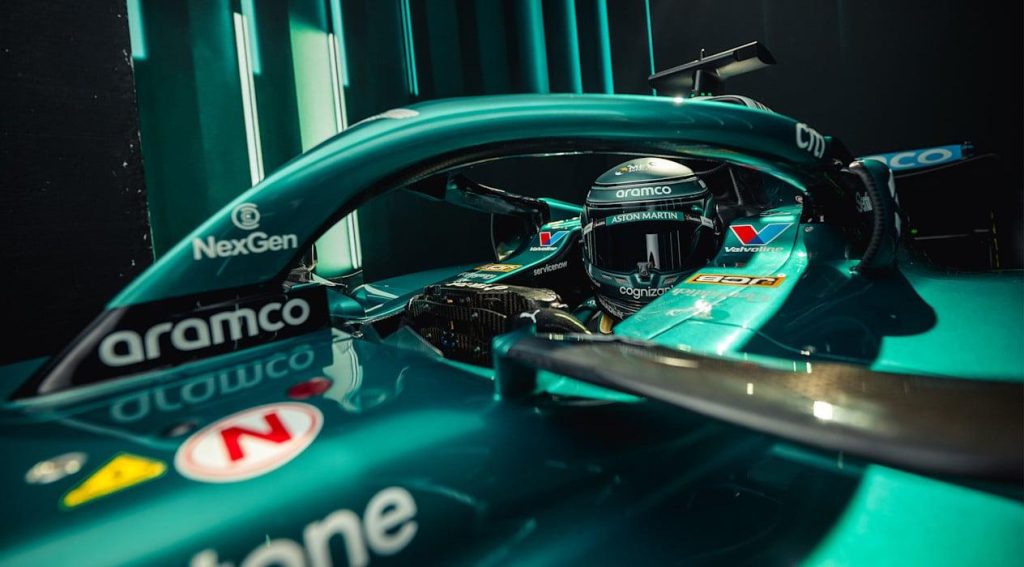
Testing location remains undisclosed
Aston Martin has not confirmed the prototype's existence despite clear video evidence. The testing location shows professional circuit barriers and runoff areas, but track identification proves impossible from available footage. Millbrook Proving Ground typically hosts Aston Martin development work, yet the facility's layout doesn't match the video background. Silverstone Circuit offers private testing days, though no booking records reference Aston Martin for recent dates. The company's Gaydon headquarters includes a test track, but its configuration differs from the footage. This secrecy contrasts with Chinese manufacturers who publicize European testing programmes extensively.
Development timelines for such prototypes typically span 24-36 months before production decisions. Aston Martin's current order book extends through 2027 across existing models. The prototype could signal a Valkyrie successor or limited-edition variant. Testing will likely continue through autumn 2025. The complete Aston Martin model history and specifications are catalogued in the Global Auto Index manufacturer database.
