A comprehensive examination of global automotive manufacturers introducing new models, variants, and concepts across worldwide markets during the transformative 2000s decade.
Overview
The 2000s represented a pivotal decade for global automotive model development, characterized by intense competition across all segments and markets. Major manufacturers launched ambitious new platforms while expanding their global footprint through region-specific variants and concept vehicles. Premium brands like Audi, BMW, and Mercedes-Benz introduced next-generation luxury models, while volume manufacturers including Ford, Mazda, and Volkswagen debuted new compact and crossover vehicles to capture emerging market segments. Asian manufacturers, particularly from China and Japan, accelerated their product development cycles with models like the Proton Persona, various Chery offerings, and updated Mitsubishi concepts. Auto shows in Geneva, Frankfurt, Detroit, and Shanghai became crucial venues for debuts, with manufacturers using these platforms to preview future design directions and gauge market response. The decade also witnessed the rise of crossover vehicles, represented by launches like the Ford Flex, alongside continued development of traditional segments through facelifts and complete redesigns of established nameplate.
Key Entities
| Entity | Type | Coverage |
|---|---|---|
| Ford | brand | Multiple launches including Flex crossover and European small car development |
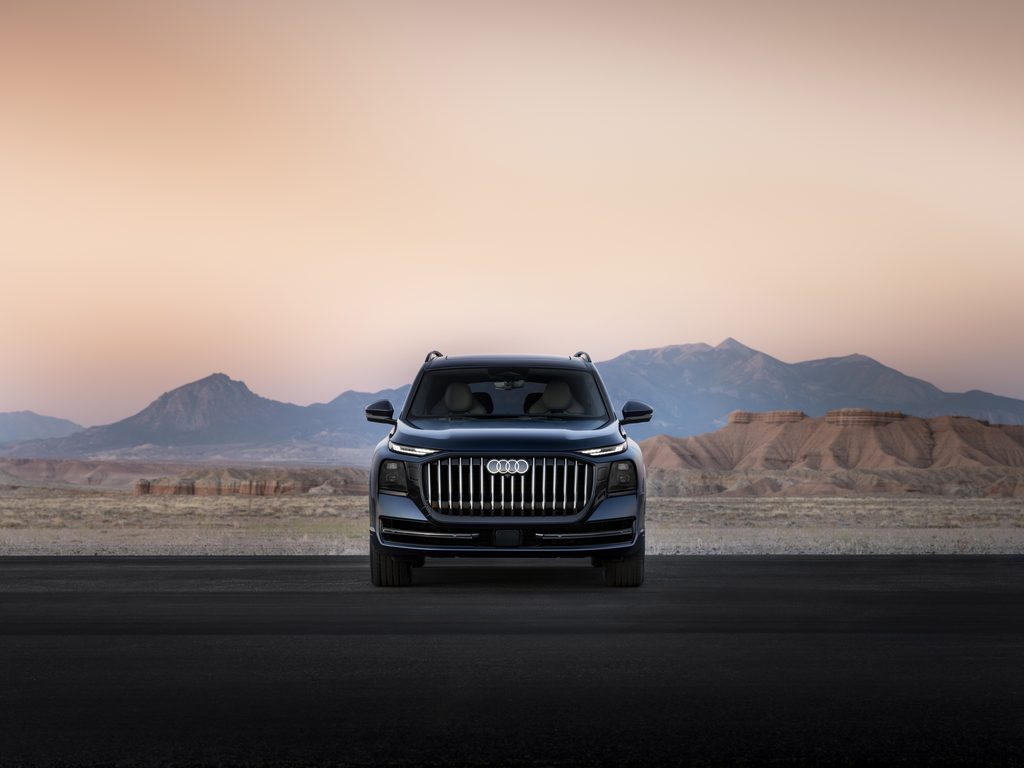
| Audi | brand | A6 variants and metroproject quattro concept |
| Mazda | brand | New Mazda2 sedan and all-new Mazda6 launches |
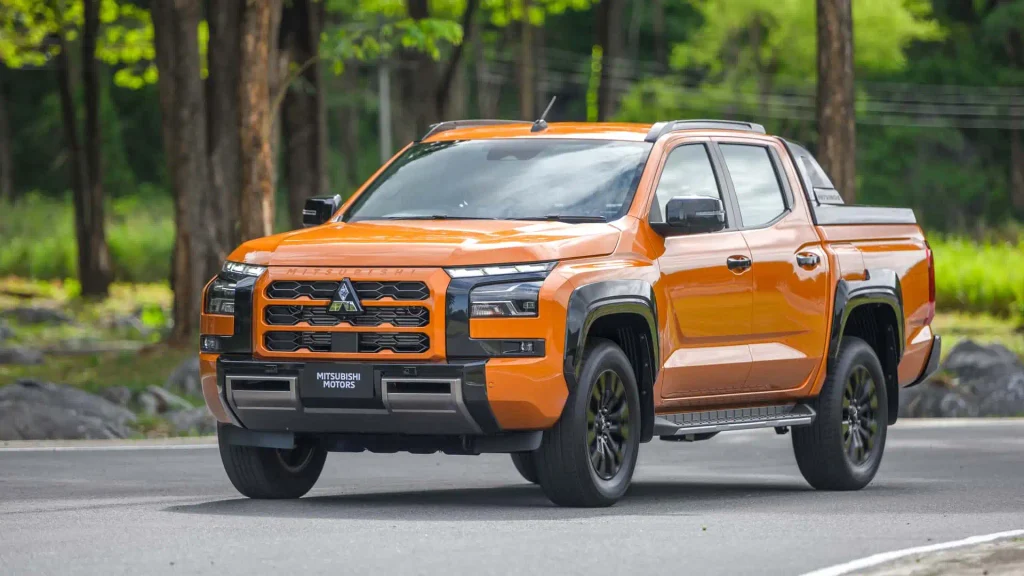
| Mitsubishi | brand | Concept-RA, Concept-cX, and Outlander market introductions |
| Suzuki | brand | Multiple Japanese market models including Escudo, Cervo, and Splash |
| BMW | brand | X5 enhancements and luxury segment development |
| Mercedes-Benz | brand | C-Class redesign and C63 AMG performance variant |
| Volkswagen | brand | Space up! concept and European market strategy |
| Chery | brand | Chinese manufacturer international expansion including V5 model |
| Pontiac G8 | model | Rear-wheel-drive performance sedan launch |
| Proton Persona | model | Malaysian market sedan introduction |
| Frankfurt Motor Show | event | Major European auto show venue for multiple debuts |
| Geneva Motor Show | event | International auto show platform for concept reveals |
| Auto Shanghai | event | Chinese market auto show featuring local and international brands |
Analysis
The 2000s automotive landscape reveals several critical patterns that shaped modern vehicle development. First, the globalization of product launches became standard practice, with manufacturers simultaneously targeting multiple markets through adapted variants of core platforms. This approach allowed brands to achieve economies of scale while addressing regional preferences and regulatory requirements. The decade marked a clear shift from purely domestic focus to global market strategies, evidenced by Chinese manufacturers like Chery and BYD presenting at international auto shows, while Western brands developed specific models for Asian markets. Second, the concept-to-production timeline accelerated dramatically. Manufacturers began using auto shows not just for final product reveals but as testing grounds for consumer reaction to design themes and feature sets. The prevalence of concept vehicles in the spoke articles demonstrates how brands used these showcases to refine their market positioning before committing to full production programs. Third, the emergence of new vehicle segments reflected changing consumer demands. The crossover category gained momentum as buyers sought versatility without traditional SUV compromises, while compact vehicles received renewed engineering attention as urbanization increased globally. Fourth, premium brand democratization occurred as luxury manufacturers expanded their model ranges downward to capture younger buyers and emerging markets. Models like the Audi A6 long-wheelbase variant and various BMW X5 enhancements show how luxury brands adapted their flagship technologies for broader market appeal. Finally, the integration of technology showcase became essential to model launches. Advanced features previewed in concept vehicles typically appeared in production models within 2-3 years, establishing technology leadership as a key differentiator. This pattern established the foundation for the rapid technological advancement that would define the following decade, making the 2000s a crucial transitional period between traditional automotive manufacturing and the modern, globally-integrated industry structure.
Timeline
- 2006-02 — International Cars and Motors Rhino
- 2006-03 — Perodua at the Kuala Lumpur Motor Show
- 2006-04 — Scion unveils Fuse sports coupe concept at 2006 New York International Auto Show
- 2006-04 — Global Auto Index proudly presents the 2006 Geneva Motor Show Report
- 2006-05 — Wild Efijy custom coupe head Holden’s Sydney Motor Show line-up
- 2006-05 — Suzuki at the 39th Tokyo Motorshow
- 2006-05 — 61st Frankfurt International Automobile Exhibition
- 2006-05 — Tata Motors to introduce India’s first mini – truck Tata Ace
- 2006-05 — Tata Motors unveils the Tata Cliffrider Concept
- 2006-05 — Fisker Coachbuild introduces first two designs: the Fisker Tramonto and Fisker Latigo CS for 2006
- 2006-06 — The new Fiat Ducato Truckster concept makes its debut in Madrid
- 2006-08 — GMG Apollo
- 2006-08 — Peugeot 908 RC set to steal the limelight at the Paris Show
- 2006-08 — Gordon Murray joins Caparo as advanced concepts director
- 2006-08 — Studiotorino RK Coupe
- 2006-08 — Volkswagen Concept R prototype revealed
- 2006-09 — Ariel Atom 2 – a great car just got greater
- 2006-09 — Studebaker XUV
- 2006-09 — Audi Pikes Peak quattro: dynamism, design and space
- 2006-09 — 76th Geneva International Motor Show
- 2006-09 — Unrivalled 1,000bhp/tonne ultra lightweight Freestream T1 to offer the nearest experience yet to a Formula One racecar
- 2006-09 — 2006 North American International Auto Show
- 2006-09 — EDAG Pontiac Solstice
- 2006-09 — Kia releases sketch of all-new ’Soul’ concept car
- 2006-09 — Rinspeed zaZen – new ways to automotive enlightenment
- 2006-09 — Prodrive premiers P2 at Autosport International
- 2006-09 — Spectacular debut of the Oltre Fiat Show Car
- 2006-09 — Citro’n C-Airplay: a new experience in driving sensations
- 2006-09 — 2006 Dodge Challenger Concept
- 2006-09 — World premiere of Volkswagen CrossPolo at the Essen Motorshow
- 2006-09 — Opel Meriva OPC world premiere at 38th Essen Motor Show
- 2006-09 — Volvo unveils two hot new concepts at the 2005 SEMA Show
- 2006-09 — Mini Concept Tokyo
- 2006-09 — Lexus LF-Sh
- 2006-09 — Turning Japanese – Mini Concept at the 2005 Tokyo Motor Show
- 2006-09 — Chrysler Group Akino Concept Vehicle
- 2006-09 — Overview of the 2005 Chrysler Group Akino concept vehicle
- 2006-09 — Mercedes-Benz CLK DTM AMG Cabriolet: the world’s fastest open-top four-seater
- 2006-09 — Magna Steyr presents Mila concept: sporty fun car, powered by natural gas
- 2006-09 — Frankfurt world premiere: roadster study EDAG Show Car No. 8
- 2006-09 — Four Stroke Rumen introduced at the Frankfurt Motor Show
- 2006-09 — Karmann SUC concept car creates new vehicle segment
- 2006-09 — World debut of the BMW Z4 Coup’ Concept Car
- 2006-09 — Mini Concept Frankfurt
- 2006-09 — Mercedes-Benz Vision R63 set for Frankfurt Show
- 2006-09 — Cutting edge Citro’n style with the C-Sportlounge concept car
- 2006-09 — New Porsche Panamera Sports Coupe scheduled to enter the market in 2009
- 2006-09 — Mitsubishi Motors to unveil Mitsubishi Concept-Sportback at 61st Frankfurt Motor Show
- 2006-09 — New Ferrari FXX to turn client-collectors into genuine Test Drivers
- 2006-09 — Marcos Engineering debuts the TSO GT2 sportscar
- 2006-09 — A unique automobile: highest level of individualisation – Maybach Exelero Show Car handed over to Fulda Reifenwerke
- 2006-09 — The Reva Electric Car Company announces the world premiere of its new Concept Car ’REVA-NXG’
- 2006-09 — Scion unveils all-new t2B concept vehicle at 2005 New York Auto Show
- 2006-09 — Toyota i-Unit concept debuts at New York Auto Show
- 2006-09 — Marcos Engineering debuts the TSO GT sportscar in Australia
- 2006-09 — 2005 Ford Mustang Convertible
- 2006-09 — Mercury Meta One Concept advances Ford safety technology
- 2006-09 — 2006 Paris Motor Show
- 2006-11 — Chrysler group reveals concept sketches
- 2006-12 — Global reveal of Mazda’s new one-ton pickup planned for 2006 Bangkok International Motor Show
- 2006-12 — World debut for funky Citro’n C1
- 2006-12 — Toyota Auris announced as new model for UK manufacturing plant
- 2006-12 — Honda Accord Coupe Concept to debut at North American International Auto Show
- 2006-12 — The new Volkswagen CrossTouran – central aspects
- 2006-12 — The new Toyota Aygo
- 2006-12 — Toyota releases fully redesigned Vitz
- 2006-12 — Ford previews new C-MAX at Bologna Motor Show
- 2006-12 — The new Porsche Cayenne: more performance, less consumption
- 2006-12 — Kia reveals sketch of new Kue concept car
- 2006-12 — Saturn Astra to join lineup in late 2007
- 2006-12 — The Peugeot 207 CC: Opens a world of new experiences
- 2006-12 — Next Mazda sub-compact car for Europe to be produced in Hiroshima, Japan
- 2006-12 — Lancia Aprilia Sport by Zagato
- 2006-12 — The new Skoda Fabia Hatchback – The successor of the successful compact automobile now presents itself
- 2006-12 — Stunning Callaway C16 makes world debut at 2007 Greater Los Angeles Auto Show
- 2006-12 — The 2008 Ford Escape combines a bold new look with a smooth, quiet ride and tough SUV capability
- 2007-01 — Rolls-Royce launches Phantom Drophead Coup’ at Detroit
- 2007-01 — Toyota launches new model Blade in Japan
- 2007-01 — Mercedes-Benz design study: Concept Ocean Drive design study ’ the most comfortable and elegant modern-day convertible
- 2007-01 — Acura ’Advanced Sports Car Concept’ to debut at North American International Auto Show
- 2007-01 — First closed Donkervoort makes its debut
- 2007-01 — 2008 Nissan Rogue Crossover SUV set to debut at NAIAS
- 2007-01 — Lincoln MKR concept features new design direction
- 2007-01 — Ford Interceptor Concept: celebrating modern American muscle with ‘Built Ford tough’ attitude
- 2007-01 — All-new 2008 Chevrolet Malibu delivers segment-topping combination of style, performance and fuel-economy
- 2007-01 — All-new 2008 Buick Enclave represents the new face of Buick
- 2007-01 — Viva la Mustang! Giugiaros interpret Ford icon
- 2007-01 — World preview – Fiat Bravo: a perfect balance of beauty and substance
- 2007-01 — Ferrari P4/5 by Pininfarina: a dream comes true
- 2007-01 — The all-new Jaguar C-XF revealed
- 2007-01 — Toyota FT-HS Hybrid sports car concept
- 2007-01 — New five seat C4 Picasso extends Citroen’s impressive MPV line-up
- 2007-01 — Chevrolet Camaro Convertible Concept debuts at North American International Auto Show
- 2007-01 — Chevrolet Volt – GM’s concept electric vehicle – could nearly eliminate trips to the gas station
- 2007-01 — The XC60 project – delivering capable and charismatic crossover from Volvo
- 2007-01 — Honda Accord Coupe Concept poised to reset segment benchmark
- 2007-01 — Daihatsu announces new SUV for Indonesia
- 2007-01 — 2008 Dodge Magnum lineup packs powerful punch
- 2007-01 — Revised Nissan Fairlady Z debuts alongside factory-backed Fairlady Z Version NISMO in Japan
- 2007-01 — Honda to display concept vehicles at Tokyo Auto Salon 2007
- 2007-01 — Even more venom: Dodge unleashes new 600-horsepower 2008 Viper SRT10
- 2007-01 — Infiniti releases sketch of 2008 G Coupe
- 2007-01 — New Beck LM 800: The new model from Switzerland ’ World premiere in Vienna
- 2007-01 — The new Mercedes-Benz C-Class: Superior safety, comfort and agility
- 2007-01 — Tata Motors launches the long-wheelbase Indigo XL, India’s first stretch limousine
- 2007-01 — Volkswagen CrossGolf
- 2007-01 — Kia reveals new 2007 Opirus flagship model
- 2007-01 — Maritime flair for the road – launch of LUV, EDAG’s new concept car at the 2007 Geneva Motor Show
- 2007-01 — Global Auto Systems’ 2007 North American International Auto Show Report
- 2007-01 — Suzuki Landy – minivan with 3-rows of seats for 8 passengers
- 2007-01 — Nissan releases all-new Pino minicar
- 2007-01 — Proton starts the new year with new Savvy and Waja
- 2007-02 — New Ford Fiesta 2008 – new design and extra sophistication
- 2007-02 — Mazda launches fully redesigned Familia Van
- 2007-02 — Redefining the premium estate sector ’ the all new Volvo V70
- 2007-02 — Nissan previews 2008 Titan, Pathfinder and Armada
- 2007-02 — Three world premieres from Hyundai at the 2007 Geneva Motor Show
- 2007-02 — Facelift for Mercedes-Benz G-Class
- 2007-02 — Bertone Roadster Concept at the Geneva Motor Show
- 2007-02 — Kia cee’d Sporty Wagon model range set for Geneva
- 2007-02 — Ford reveals first pictures of new Mondeo
- 2007-02 — Diatto by Zagato – Ottovù Project
- 2007-02 — All-new Mazda2 to debut at the 2007 Geneva International Motor Show
- 2007-02 — Dodge Demon Roadster Concept ’ Simple soul, artful attitude make for radical results
- 2007-02 — Maserati Granturismo worldwide preview at the Geneva Motor Show
- 2007-02 — Geneva world premiere for Schreyer’s Kia ex_cee’d cabrio concept
- 2007-02 — Renault Sc’nic Conquest: they call it the wanderer’
- 2007-02 — Geneva world premiere for Schreyer’s Kia ex_cee’d cabrio concept
- 2007-03 — All-new Mazda2 to debut at the 2007 Geneva International Motor Show
- 2007-03 — Peugeot debuts three new cars at the Geneva Motor Show
- 2007-03 — New look Jaguar XJ for 2008 model year
- 2007-03 — New Fiat Palio 2008 – all emotions are here!
- 2007-03 — World premiere of all-new European C-segment hatchback Hyundai i30 at the 2007 Geneva Motor Show
- 2007-03 — Italdesign Giugiaro Creative Research and Complete Engineering Services preview of the 2007 Geneva Motor Show
- 2007-03 — Mercedes-Benz unveils Vision C 220 BLUETEC in Geneva – First four-cylinder BLUETEC model
- 2007-03 — The all-new Volkswagen Golf Variant
- 2007-03 — Maritime flair for the road: the concept car EDAG LUV
- 2007-03 — 2007 North American International Auto Show
- 2007-03 — Volkswagen releases first official photos of all-new Jetta to arrive early next year
- 2007-03 — New Toyota LandCruiser 70-series break cover in Australia
- 2007-03 — Stola presents a preview of the first made to measure Concept Car
- 2007-03 — The Artega’ GT. Germany’s alternative to the sports car establishment.
- 2007-03 — New Seat Toledo – a new saloon concept
- 2007-03 — Hyundai unveils QarmaQ Advanced Technology Vehicle co-developed with GE Plastics
- 2007-03 — 77th Geneva International Motorshow
- 2007-03 — Bertone Barchetta
- 2007-03 — Tramontana presents its first production model at the Geneva Motor Show 2007
- 2007-03 — Scion launches all-new 2008 xB at 2007 Chicago Auto Show
- 2007-03 — Cadillac extends European portfolio with BLS Wagon
- 2007-03 — Toyota stages world debut of all-new 2007 Tundra CrewMax at the 2007 North American International Auto Show
- 2007-03 — Lada C-class Concept Coup’
- 2007-03 — Lada C-class Concept Coup’
- 2007-03 — All-new 2008 Cadillac CTS intents to inject dramatic character into the luxury sedan category
- 2007-03 — Honda announces Civic 3-door type S for Europe
- 2007-03 — Honda Civic Type R Concept
- 2007-03 — Callaway C16 Cabrio makes world debut at 2007 New York Auto Show
- 2007-03 — The new Fiat 500
- 2007-03 — Electric car maker ZAP releases concept drawings of new ZAP-X Crossover SUV
- 2007-04 — Skoda Roomster will make its debut in Geneva
- 2007-04 — Nissan Zaroot to debut at Geneva Motorshow
- 2007-04 — Renault-Samsung QMX debuts at Seoul Motor Show
- 2007-04 — Turning powerful passion into supreme performance: The new BMW M3
- 2007-04 — Shanghai Auto introduces Roewe W2 at Auto Shanghai 2007
- 2007-04 — Great Wall Motors unveils Shanghai lineup
- 2007-04 — Zagato to introduce Maserati GS at Villa d’Este 2007
- 2007-04 — The new Volvo S40 and V50 – refined sportiness and increased premium feel
- 2007-04 — GM Daewoo’s premium sedan, roadster and race car to highlight Seoul Motor Show
- 2007-04 — Hyundai unveils trio of new vehicles at 2007 Seoul Motor Show
- 2007-04 — Exhibits information of Chery Auto for 2007 Shanghai International Auto Exhibition
- 2007-04 — Geely at Auto Shanghai 2007
- 2007-04 — Fengxing JingYi debuts at AutoShanghai 2007
- 2007-04 — Hafei at Auto Shanghai 2007
- 2007-04 — General Motors unveils second propulsion system for Chevrolet Volt
- 2007-04 — Peugeot 207 van ’ The new kid on the block
- 2007-05 — At a glance: Infiniti G37 Coupe
- 2007-05 — Mini XXL – Mini stretch limo makes world debut in Athens
- 2007-05 — General Motors unveils second propulsion system for Chevrolet Volt
- 2007-05 — Maruti gives a fresh new look to WagonR
- 2007-05 — New Renault Twingo – the lively little car that fits your life
- 2007-05 — Renault Koleos Concept ’ adventure every day
- 2007-05 — Chevrolet to start production in the European Union
- 2007-05 — Mercedes-Benz SLR McLaren Roadster: An open-air adventure for all the senses
- 2007-05 — New Porsche 911 Turbo Cabriolet
- 2007-05 — New Renault Laguna, quality down to the finest details
- 2007-05 — FHI unveils all-new Subaru Impreza and new Tribeca at the New York International Auto Show
- 2007-05 — Perodua starts sales of Viva in Malaysia
- 2007-05 — Flex in the city: The new Opel Agila generation
- 2007-05 — New Saab 9-3 range: Sharper looks showcase enhanced performance
- 2007-05 — Suzuki Splash – A new small passenger car with European design
- 2007-05 — Nissan releases revised Lafesta Minivan
- 2007-05 — Hyundai at SEMA
- 2007-05 — Chrysler group shows off latest design, performance trends at SEMA Show
- 2007-05 — Paris Motor Show – Day II
- 2007-05 — Zero EV Elexceed RS
- 2007-05 — Volkswagen Brasil introduces new Fox variants
- 2007-05 — Mitsubishi Motors builds fuel-cell vehicle
- 2007-05 — New Volvo S40
- 2007-05 — Mazda begins production of 4th ‘New Generation’ model
- 2007-05 — Special design package enhances the sporty nature of the Volvo S60
- 2007-05 — BMW raises the curtain on new X3 Sports Activity Vehicle
- 2007-05 — New Opel Vectra Station Wagon
- 2007-05 — All-new 2004 Chevrolet Malibu Maxx: comfort, refinement and versatility
- 2007-05 — Nissan Releases All-New Cube
- 2007-05 — Holden to preview classy new Vectra line-up at Melbourne Motor Show
- 2007-05 — Fiat Stilo MP
- 2007-05 — Chevrolet expands its lineup with all-new Aveo
- 2007-05 — European premiere for the all-new Daewoo Nubira
- 2007-05 — Toyota Wish
- 2007-05 — 2003 Greater Los Angeles Auto Show releases
- 2007-05 — Nissan releases photo of all-new 2004 Nissan Maxima
- 2007-05 — All-new engine, refreshed interior and exterior and more premium amenities for 2008 Jeep Grand Cherokee
- 2007-05 — Honda adds new Type R to Civic lineup
- 2007-05 — Suzuki Grand Vitara Bandit debuts at AutoRai 2007
- 2007-05 — Fiat Stilo Station Wagon
- 2007-05 — The new Audi A5 and S5
- 2007-05 — All-new 2008 Saturn Vue sport utility delivers premium, European-inspired looks and ride quality
- 2007-05 — Chrysler is raising the roof on the convertible segment, introducing the all-new 2008 Chrysler Sebring Convertible.
- 2007-05 — Bentley commences production of the Continental GTC
- 2007-05 — Fiat Panda Jolly
- 2007-05 — Nissan to get new eK Wagon supply from Mitsubishi
- 2007-05 — 2007 Chevrolet Silverado and GMC Sierra: breaking new ground with industry’s best pickups
- 2007-05 — Kia debuts lifestyle vehicles at SEMA Show
- 2007-05 — Nissan Displays Modified 350Z Sports Cars and Other Performance Products at 2002 SEMA Show
- 2007-05 — Mazda Hits Jackpot in Las Vegas With Turbocharged 2003.5 MAZDASPEED(R) Protege
- 2007-05 — Troller Pantanal
- 2007-05 — Nissan introduces New Tiida compact car
- 2007-05 — Toyota D-4D 180 Clean Power concept
- 2007-05 — 2003 Nissan Murano Stands Out From Crossover SUV Field With Elegant Styling, Xtronic CVT and Dynamic Performance
- 2007-05 — Kia Motors’ popular compact Rio to be assembled and sold in Iran
- 2007-05 — Great Wall Hover
- 2007-05 — Great mystery solved: Convertible Holden Monaro does exist
- 2007-05 — 2004 North American International Auto Show, Detroit
- 2007-05 — 37th Tokyo Motor Show
- 2007-05 — Nissan to release all-new Presage
- 2007-05 — X-TRAIL FCV Approved by Minister of Land, Infrastructure and Transport in Japan
- 2007-05 — New Seat Altea freetrack – The family adventurer
- 2007-06 — Mitsubishi Motors reveals name of its new truck
- 2007-06 — GTC – the most exciting Opel Astra yet
- 2007-06 — Toyota Vela
- 2007-06 — Updated Fiat Scudo makes its debut at the Brussels Motor Show
- 2007-06 — Mazda Roadster Turbo, RX8 Mazdaspeed
- 2007-06 — All-new 2003 Honda Accord V-6 Coupe Factory Performance Package and Civic Coupe FP available
- 2007-06 — Ferrari reveals designer sketches of its new 2+2
- 2007-06 — Hyundai Motor India launches Santro Xing ‘Ready for Europe’ global car
- 2007-06 — The new Ferrari ‘Challenge Stradale’ at the Geneva Motorshow
- 2007-06 — Renault Laguna updated for 2003
- 2007-06 — Daihatsu Mira
- 2007-06 — Panel-Side Honda Element Concept Vehicle, ‘Studio E’, Set for NAIAS
- 2007-06 — All-new Infiniti FX45 Premium Crossover SUV
- 2007-06 — All-new 2008 Saturn Astra brings award-winning European small car to North America
- 2007-06 — Lexus unveils two high-performance vehicles at the 2007 North American International Auto Show
- 2007-06 — Aston Martin launches the V8 Vantage Roadster
- 2007-06 — Mitsubishi Motors to unveil all-new Lancer Sports Sedan at 2007 North American International Auto Show
- 2007-06 — Compact, Sporty Coup’-Roadster From Opel
- 2007-06 — Jaguar reveals a racier side to the sexy X-type at SEMA
- 2007-06 — Centenary Rover – the 75 Coupe says it in style
- 2007-06 — Xiali N3
- 2007-06 — Mini Cooper S Cabrio: perfection for drop-hedonists
- 2007-06 — Pontiac, Saturn at SEMA
- 2007-06 — Ford Mustang returns to road-racing, 5.0-liter roots with Mustang GT-R concept
- 2007-06 — Hyundai expands line-up with all-new Tucson SUV
- 2007-06 — Opel Trixx: clever and versatile concept for the city
- 2007-06 — More style, substance and value for new Rover 75 range
- 2007-06 — Renault Trafic Deck’up concept LCV – off the beaten track
- 2007-06 — Land Rover unveils first ever concept show car at Detroit Auto Show
- 2007-06 — Pagani to unveil new Zonda Roadster at Geneva Auto Show
- 2007-06 — Volkswagen Polo limousine debuts in Sao Paulo
- 2007-06 — American Suzuki introduces two new cars, mid-size Verona and premium compact Forenza at Chicago Auto Show
- 2007-06 — The new Honda Accord
- 2007-06 — Michelin Challenge Design(TM) Brings World Debut of Matra P75 to Detroit
- 2007-06 — Mercedes-Benz E-Class: Three new high-tech engines join the line-up
- 2007-06 — Enhanced Performing Diesel-models from MG-Rover
- 2007-06 — Gemballa Turbo GTR 600 Tiptronic
- 2007-06 — Nissan new X-Trail: building on success
- 2007-06 — All-new 2008 Dodge Avenger packed with style, performance and value price in crowded mid-size segment
- 2007-06 — Ford Transit XXL – probably the longest Transit in the world
- 2007-06 — Mercedes-Benz introduces the all-new CL-class
- 2007-06 — Innovative Business Class: The all-new Opel Signum
- 2007-06 — Mercury Meta One Concept advances Ford safety technology
- 2007-06 — Toyota releases new minivan Isis
- 2007-06 — Third world premiere in Paris: Opel Astra High Performance Concept
- 2007-06 — Honda introduces new 3×2 Edix Minivan
- 2007-06 — Fiat Seicento, 2004
- 2007-06 — Jinbei Granse
- 2007-06 — Mazda to unveil space wagon concept, the MX-Flexa
- 2007-06 — Daihatsu Tanto
- 2007-06 — Mazda releases ‘Roadster Coupe’
- 2007-06 — Ford to build all-new Futura at Hermosillo
- 2007-06 — Dodge Tomahawk to go on the block: DaimlerChrysler to sell reproduction of etreme bike
- 2007-06 — Mitsubishi Magna AWD at Sydney Motorshow
- 2007-06 — Vauxhall VX Lightning
- 2007-06 — V-series signals new era of Cadillac performance
- 2007-06 — Peugeot 307 CC – the dream … lives on
- 2007-06 — Mazda MX Sportif design concept will debut at 2003 Geneva International Motor Show
- 2007-06 — GM to add H2 SUT to HUMMER portfolio
- 2007-06 — Touran world premiere in Wolfsburg ’ maximum versatility in compact form
- 2007-06 — MG-Rover announces new small car
- 2007-06 — Mercedes-Benz CL65 AMG: the new high-performance coupe
- 2007-06 — Spyker C12 Zagato unveiled at 77th Geneva International Motor Show
- 2007-06 — Mitsubishi Motors to give new Lancer compact sport sedan global premiere at 2007 Detroit Motor Show
- 2007-06 — Land Rover introduces the all-new LR2
- 2007-06 — Opel Eco-Speedster: Saving Fuel is Fun
- 2007-06 — Nissan announces all-new Clipper Rio one-box mini-wagon
- 2007-06 — New Peugeot 308 announced
- 2007-06 — Peugeot 207 SW – A versatile and practical option
- 2007-06 — Toyota launches fully redesigned Premio and Allion
- 2007-06 — New Renault Laguna, for driving pleasure and peace of mind
- 2007-06 — Jeep unveils first-ever four-door Wrangler
- 2007-06 — Philippine Utility Vehicle debuts in Philippines
- 2007-06 — Mazda releases revamped AZ-Wagon
- 2007-07 — First pictures: powerful appearance ’ this is the new Volkswagen Tiguan
- 2007-07 — Toyota launches fully redesigned Voxy and Noah
- 2007-07 — 2008 BMW 6-series: the authentic, progressive Grand Touring automobiles with newly updated styling, interior refinements and new luxury options
- 2007-07 — Nissan releases revised March
- 2007-07 — The New Volkswagen Tiguan: Acceptance drive in namibia
- 2007-07 — China Brilliance introduces new FRV at Auto Shanghai 2007
- 2007-07 — World premiere at Auto Shanghai 2007: Buick Riviera – stunning coupe concept unveiled in Shanghai
- 2007-07 — Byd at Auto Shanghai 2007
- 2007-07 — Seat Altea prototipo: the MSV concept becomes a reality
- 2007-08 — The new Mercedes-Benz C63 AMG ’ A C-Class as never before
- 2007-08 — Castagna Aznom
- 2007-08 — New Vanquish S V12: the fastest ever production Aston Martin
- 2007-08 — Fuji Heavy Industries introduces Subaru Stella, an all-new mini car
- 2007-08 — Chery V5
- 2007-08 — Jeep unveils first-ever four-door Wrangler
- 2007-08 — Lifting the roof on family motoring: the new Ford Focus Coupe-Cabriolet
- 2007-08 — The all new Volvo S80 challenges the class leaders with Scandinavian luxury
- 2007-08 — Mitsubishi Motors to unveil a trio of exciting new concept and production models at the 76th Geneva Motor Show
- 2007-08 — Jeep at the Frankfurt Motor Show
- 2007-08 — Aston Martin launches the V8 Vantage – the third model from Aston Martin
- 2007-08 — 2005 Geneva International Motor Show
- 2007-09 — Hyundai to unveil trio of new vehicles at the Frankfurt Show
- 2007-10 — Mitsubishi Concept-cX – Global unveiling at 2007 Frankfurt Motor Show
- 2007-10 — Ssangyong introduces revised Rodius
- 2007-10 — Mitsubishi Motors to unveil European market Outlander on-road SUV at 2007 Geneva Motor Show
- 2007-10 — The new Mercedes-Benz C-Class: Superior safety, comfort and agility
- 2007-10 — New Mitsubishi Motors mono-box minivan to be branded Delica D:5
- 2007-10 — 62nd Frankfurt International Motor Show
- 2007-10 — Suzuki Splash – A new small passenger car with European design
- 2007-10 — Valmet Automotive presents the Thunderbird Retractable Glass Roof concept car
- 2007-10 — New Renault Kangoo Express: Comfortable, practical and versatile to meet the needs of professionals
- 2007-10 — New ’koda Fabia Combi
- 2007-10 — Suzuki Concept Kizashi, the world premiere
- 2007-10 — Zoom-Zoom evolution – the all-new Mazda6
- 2007-10 — The New BMW X5 – major enhancements to the car that broke the mould
- 2007-11 — New Fiat Uno Mille: evolution of a success
- 2007-11 — Suzuki introduces new Cervo in Japan
- 2007-12 — Suzuki introduces new Escudo in Japan
- 2007-12 — A unique automobile: highest level of individualisation – Maybach Exelero Show Car handed over to Fulda Reifenwerke
- 2007-12 — New Seat Leon: sporty elegance
- 2007-12 — The new Audi A6 is presented as a long-wheelbase version exclusively for the Chinese market
- 2007-12 — Honda introduces all-new Airwave compact station wagon
- 2007-12 — Mazda to showcase all-new Mazda2 sedan world premiere at the 2007 Guangzhou Motor Show
- 2007-12 — Mitsubishi Motors new Mitsubishi Concept-RA to receive global premiere at 2008 Detroit Motor Show
- 2007-12 — Hennessey Venom GT concept introduced
- 2007-12 — Ford reveals more about its future small car
- 2007-12 — Chery at Auto Beijing 2006
- 2007-12 — Unrivalled 1,000bhp/tonne ultra lightweight Freestream T1 to offer the nearest experience yet to a Formula One racecar
- 2007-12 — World premiere of the Volkswagen space up!
- 2007-12 — High tech in compact form: the Audi metroproject quattro
- 2007-12 — Venturi Fetish
- 2008-05 — King launches Proton Persona
- 2008-05 — 2009 Ford Flex: an all-new full-size crossover redefines the journey for the American family
- 2026-04 — All-new G8 accelerates new era of rear-wheel-drive performance at Pontiac
All Articles (364)
- All-new G8 accelerates new era of rear-wheel-drive performance at Pontiac — 2026-04-03
- 2009 Ford Flex: an all-new full-size crossover redefines the journey for the American family — 2008-05-24
- King launches Proton Persona — 2008-05-07
- Venturi Fetish — 2007-12-31
- High tech in compact form: the Audi metroproject quattro — 2007-12-28
- World premiere of the Volkswagen space up! — 2007-12-26
- Unrivalled 1,000bhp/tonne ultra lightweight Freestream T1 to offer the nearest experience yet to a Formula One racecar — 2007-12-25
- Chery at Auto Beijing 2006 — 2007-12-22
- Mitsubishi Motors new Mitsubishi Concept-RA to receive global premiere at 2008 Detroit Motor Show — 2007-12-19
- Hennessey Venom GT concept introduced — 2007-12-19
- Ford reveals more about its future small car — 2007-12-19
- Mazda to showcase all-new Mazda2 sedan world premiere at the 2007 Guangzhou Motor Show — 2007-12-16
- Suzuki introduces new Escudo in Japan — 2007-12-13
- A unique automobile: highest level of individualisation – Maybach Exelero Show Car handed over to Fulda Reifenwerke — 2007-12-13
- New Seat Leon: sporty elegance — 2007-12-13
- The new Audi A6 is presented as a long-wheelbase version exclusively for the Chinese market — 2007-12-13
- Honda introduces all-new Airwave compact station wagon — 2007-12-13
- Suzuki introduces new Cervo in Japan — 2007-11-18
- New Fiat Uno Mille: evolution of a success — 2007-11-04
- The New BMW X5 – major enhancements to the car that broke the mould — 2007-10-29
- Zoom-Zoom evolution – the all-new Mazda6 — 2007-10-24
- Suzuki Concept Kizashi, the world premiere — 2007-10-22
- Valmet Automotive presents the Thunderbird Retractable Glass Roof concept car — 2007-10-21
- New Renault Kangoo Express: Comfortable, practical and versatile to meet the needs of professionals — 2007-10-21
- New ’koda Fabia Combi — 2007-10-21
- Suzuki Splash – A new small passenger car with European design — 2007-10-17
- 62nd Frankfurt International Motor Show — 2007-10-15
- Mitsubishi Concept-cX – Global unveiling at 2007 Frankfurt Motor Show — 2007-10-13
- Ssangyong introduces revised Rodius — 2007-10-13
- Mitsubishi Motors to unveil European market Outlander on-road SUV at 2007 Geneva Motor Show — 2007-10-13
- The new Mercedes-Benz C-Class: Superior safety, comfort and agility — 2007-10-13
- New Mitsubishi Motors mono-box minivan to be branded Delica D:5 — 2007-10-13
- Hyundai to unveil trio of new vehicles at the Frankfurt Show — 2007-09-12
- New Vanquish S V12: the fastest ever production Aston Martin — 2007-08-15
- Fuji Heavy Industries introduces Subaru Stella, an all-new mini car — 2007-08-15
- Chery V5 — 2007-08-15
- Jeep unveils first-ever four-door Wrangler — 2007-08-15
- Lifting the roof on family motoring: the new Ford Focus Coupe-Cabriolet — 2007-08-15
- The all new Volvo S80 challenges the class leaders with Scandinavian luxury — 2007-08-15
- Mitsubishi Motors to unveil a trio of exciting new concept and production models at the 76th Geneva Motor Show — 2007-08-15
- Jeep at the Frankfurt Motor Show — 2007-08-15
- Aston Martin launches the V8 Vantage – the third model from Aston Martin — 2007-08-15
- 2005 Geneva International Motor Show — 2007-08-15
- The new Mercedes-Benz C63 AMG ’ A C-Class as never before — 2007-08-12
- Castagna Aznom — 2007-08-12
- Seat Altea prototipo: the MSV concept becomes a reality — 2007-07-15
- China Brilliance introduces new FRV at Auto Shanghai 2007 — 2007-07-12
- World premiere at Auto Shanghai 2007: Buick Riviera – stunning coupe concept unveiled in Shanghai — 2007-07-12
- Byd at Auto Shanghai 2007 — 2007-07-12
- Nissan releases revised March — 2007-07-08
- The New Volkswagen Tiguan: Acceptance drive in namibia — 2007-07-08
- First pictures: powerful appearance ’ this is the new Volkswagen Tiguan — 2007-07-01
- Toyota launches fully redesigned Voxy and Noah — 2007-07-01
- 2008 BMW 6-series: the authentic, progressive Grand Touring automobiles with newly updated styling, interior refinements and new luxury options — 2007-07-01
- Mazda releases revamped AZ-Wagon — 2007-06-30
- Philippine Utility Vehicle debuts in Philippines — 2007-06-25
- New Peugeot 308 announced — 2007-06-24
- Peugeot 207 SW – A versatile and practical option — 2007-06-24
- Toyota launches fully redesigned Premio and Allion — 2007-06-24
- New Renault Laguna, for driving pleasure and peace of mind — 2007-06-24
- Jeep unveils first-ever four-door Wrangler — 2007-06-24
- Nissan announces all-new Clipper Rio one-box mini-wagon — 2007-06-20
- Mercury Meta One Concept advances Ford safety technology — 2007-06-07
- Toyota releases new minivan Isis — 2007-06-07
- Third world premiere in Paris: Opel Astra High Performance Concept — 2007-06-07
- Honda introduces new 3×2 Edix Minivan — 2007-06-07
- Fiat Seicento, 2004 — 2007-06-07
- Jinbei Granse — 2007-06-07
- Mazda to unveil space wagon concept, the MX-Flexa — 2007-06-07
- Daihatsu Tanto — 2007-06-07
- Mazda releases ‘Roadster Coupe’ — 2007-06-07
- Ford to build all-new Futura at Hermosillo — 2007-06-07
- Dodge Tomahawk to go on the block: DaimlerChrysler to sell reproduction of etreme bike — 2007-06-07
- Mitsubishi Magna AWD at Sydney Motorshow — 2007-06-07
- Vauxhall VX Lightning — 2007-06-07
- V-series signals new era of Cadillac performance — 2007-06-07
- Peugeot 307 CC – the dream … lives on — 2007-06-07
- Mazda MX Sportif design concept will debut at 2003 Geneva International Motor Show — 2007-06-07
- GM to add H2 SUT to HUMMER portfolio — 2007-06-07
- Touran world premiere in Wolfsburg ’ maximum versatility in compact form — 2007-06-07
- MG-Rover announces new small car — 2007-06-07
- Mercedes-Benz CL65 AMG: the new high-performance coupe — 2007-06-07
- Spyker C12 Zagato unveiled at 77th Geneva International Motor Show — 2007-06-07
- Mitsubishi Motors to give new Lancer compact sport sedan global premiere at 2007 Detroit Motor Show — 2007-06-07
- Land Rover introduces the all-new LR2 — 2007-06-07
- Opel Eco-Speedster: Saving Fuel is Fun — 2007-06-07
- Jaguar reveals a racier side to the sexy X-type at SEMA — 2007-06-05
- Centenary Rover – the 75 Coupe says it in style — 2007-06-05
- Xiali N3 — 2007-06-05
- Mini Cooper S Cabrio: perfection for drop-hedonists — 2007-06-05
- Pontiac, Saturn at SEMA — 2007-06-05
- Ford Mustang returns to road-racing, 5.0-liter roots with Mustang GT-R concept — 2007-06-05
- Hyundai expands line-up with all-new Tucson SUV — 2007-06-05
- Opel Trixx: clever and versatile concept for the city — 2007-06-05
- More style, substance and value for new Rover 75 range — 2007-06-05
- Renault Trafic Deck’up concept LCV – off the beaten track — 2007-06-05
- Land Rover unveils first ever concept show car at Detroit Auto Show — 2007-06-05
- Pagani to unveil new Zonda Roadster at Geneva Auto Show — 2007-06-05
- Volkswagen Polo limousine debuts in Sao Paulo — 2007-06-05
- American Suzuki introduces two new cars, mid-size Verona and premium compact Forenza at Chicago Auto Show — 2007-06-05
- The new Honda Accord — 2007-06-05
- Michelin Challenge Design(TM) Brings World Debut of Matra P75 to Detroit — 2007-06-05
- Mercedes-Benz E-Class: Three new high-tech engines join the line-up — 2007-06-05
- Enhanced Performing Diesel-models from MG-Rover — 2007-06-05
- Gemballa Turbo GTR 600 Tiptronic — 2007-06-05
- Nissan new X-Trail: building on success — 2007-06-05
- All-new 2008 Dodge Avenger packed with style, performance and value price in crowded mid-size segment — 2007-06-05
- Ford Transit XXL – probably the longest Transit in the world — 2007-06-05
- Mercedes-Benz introduces the all-new CL-class — 2007-06-05
- Innovative Business Class: The all-new Opel Signum — 2007-06-05
- Mitsubishi Motors reveals name of its new truck — 2007-06-04
- GTC – the most exciting Opel Astra yet — 2007-06-04
- Toyota Vela — 2007-06-04
- Updated Fiat Scudo makes its debut at the Brussels Motor Show — 2007-06-04
- Mazda Roadster Turbo, RX8 Mazdaspeed — 2007-06-04
- All-new 2003 Honda Accord V-6 Coupe Factory Performance Package and Civic Coupe FP available — 2007-06-04
- Ferrari reveals designer sketches of its new 2+2 — 2007-06-04
- Hyundai Motor India launches Santro Xing ‘Ready for Europe’ global car — 2007-06-04
- The new Ferrari ‘Challenge Stradale’ at the Geneva Motorshow — 2007-06-04
- Renault Laguna updated for 2003 — 2007-06-04
- Daihatsu Mira — 2007-06-04
- Panel-Side Honda Element Concept Vehicle, ‘Studio E’, Set for NAIAS — 2007-06-04
- All-new Infiniti FX45 Premium Crossover SUV — 2007-06-04
- All-new 2008 Saturn Astra brings award-winning European small car to North America — 2007-06-04
- Lexus unveils two high-performance vehicles at the 2007 North American International Auto Show — 2007-06-04
- Aston Martin launches the V8 Vantage Roadster — 2007-06-04
- Mitsubishi Motors to unveil all-new Lancer Sports Sedan at 2007 North American International Auto Show — 2007-06-04
- Compact, Sporty Coup’-Roadster From Opel — 2007-06-04
- New Seat Altea freetrack – The family adventurer — 2007-05-31
- Nissan Displays Modified 350Z Sports Cars and Other Performance Products at 2002 SEMA Show — 2007-05-30
- Mazda Hits Jackpot in Las Vegas With Turbocharged 2003.5 MAZDASPEED(R) Protege — 2007-05-30
- Troller Pantanal — 2007-05-30
- Nissan introduces New Tiida compact car — 2007-05-30
- Toyota D-4D 180 Clean Power concept — 2007-05-30
- 2003 Nissan Murano Stands Out From Crossover SUV Field With Elegant Styling, Xtronic CVT and Dynamic Performance — 2007-05-30
- Kia Motors’ popular compact Rio to be assembled and sold in Iran — 2007-05-30
- Great Wall Hover — 2007-05-30
- Great mystery solved: Convertible Holden Monaro does exist — 2007-05-30
- 2004 North American International Auto Show, Detroit — 2007-05-30
- 37th Tokyo Motor Show — 2007-05-30
- Nissan to release all-new Presage — 2007-05-30
- X-TRAIL FCV Approved by Minister of Land, Infrastructure and Transport in Japan — 2007-05-30
- Hyundai at SEMA — 2007-05-28
- Chrysler group shows off latest design, performance trends at SEMA Show — 2007-05-28
- Paris Motor Show – Day II — 2007-05-28
- Zero EV Elexceed RS — 2007-05-28
- Volkswagen Brasil introduces new Fox variants — 2007-05-28
- Mitsubishi Motors builds fuel-cell vehicle — 2007-05-28
- New Volvo S40 — 2007-05-28
- Mazda begins production of 4th ‘New Generation’ model — 2007-05-28
- Special design package enhances the sporty nature of the Volvo S60 — 2007-05-28
- BMW raises the curtain on new X3 Sports Activity Vehicle — 2007-05-28
- New Opel Vectra Station Wagon — 2007-05-28
- All-new 2004 Chevrolet Malibu Maxx: comfort, refinement and versatility — 2007-05-28
- Nissan Releases All-New Cube — 2007-05-28
- Holden to preview classy new Vectra line-up at Melbourne Motor Show — 2007-05-28
- Fiat Stilo MP — 2007-05-28
- Chevrolet expands its lineup with all-new Aveo — 2007-05-28
- European premiere for the all-new Daewoo Nubira — 2007-05-28
- Toyota Wish — 2007-05-28
- 2003 Greater Los Angeles Auto Show releases — 2007-05-28
- Nissan releases photo of all-new 2004 Nissan Maxima — 2007-05-28
- All-new engine, refreshed interior and exterior and more premium amenities for 2008 Jeep Grand Cherokee — 2007-05-28
- Honda adds new Type R to Civic lineup — 2007-05-28
- Suzuki Grand Vitara Bandit debuts at AutoRai 2007 — 2007-05-28
- Fiat Stilo Station Wagon — 2007-05-28
- The new Audi A5 and S5 — 2007-05-28
- All-new 2008 Saturn Vue sport utility delivers premium, European-inspired looks and ride quality — 2007-05-28
- Chrysler is raising the roof on the convertible segment, introducing the all-new 2008 Chrysler Sebring Convertible. — 2007-05-28
- Bentley commences production of the Continental GTC — 2007-05-28
- Fiat Panda Jolly — 2007-05-28
- Nissan to get new eK Wagon supply from Mitsubishi — 2007-05-28
- 2007 Chevrolet Silverado and GMC Sierra: breaking new ground with industry’s best pickups — 2007-05-28
- Kia debuts lifestyle vehicles at SEMA Show — 2007-05-28
- Nissan releases revised Lafesta Minivan — 2007-05-19
- Suzuki Splash – A new small passenger car with European design — 2007-05-17
- Flex in the city: The new Opel Agila generation — 2007-05-16
- New Saab 9-3 range: Sharper looks showcase enhanced performance — 2007-05-16
- Perodua starts sales of Viva in Malaysia — 2007-05-15
- FHI unveils all-new Subaru Impreza and new Tribeca at the New York International Auto Show — 2007-05-14
- New Renault Laguna, quality down to the finest details — 2007-05-13
- New Porsche 911 Turbo Cabriolet — 2007-05-09
- Mercedes-Benz SLR McLaren Roadster: An open-air adventure for all the senses — 2007-05-07
- Chevrolet to start production in the European Union — 2007-05-06
- New Renault Twingo – the lively little car that fits your life — 2007-05-05
- Renault Koleos Concept ’ adventure every day — 2007-05-05
- Mini XXL – Mini stretch limo makes world debut in Athens — 2007-05-04
- General Motors unveils second propulsion system for Chevrolet Volt — 2007-05-04
- Maruti gives a fresh new look to WagonR — 2007-05-04
- At a glance: Infiniti G37 Coupe — 2007-05-01
- Peugeot 207 van ’ The new kid on the block — 2007-04-30
- Geely at Auto Shanghai 2007 — 2007-04-29
- Fengxing JingYi debuts at AutoShanghai 2007 — 2007-04-29
- Hafei at Auto Shanghai 2007 — 2007-04-29
- General Motors unveils second propulsion system for Chevrolet Volt — 2007-04-29
- Exhibits information of Chery Auto for 2007 Shanghai International Auto Exhibition — 2007-04-28
- Great Wall Motors unveils Shanghai lineup — 2007-04-26
- Zagato to introduce Maserati GS at Villa d’Este 2007 — 2007-04-26
- The new Volvo S40 and V50 – refined sportiness and increased premium feel — 2007-04-26
- GM Daewoo’s premium sedan, roadster and race car to highlight Seoul Motor Show — 2007-04-26
- Hyundai unveils trio of new vehicles at 2007 Seoul Motor Show — 2007-04-26
- Shanghai Auto introduces Roewe W2 at Auto Shanghai 2007 — 2007-04-25
- Renault-Samsung QMX debuts at Seoul Motor Show — 2007-04-20
- Turning powerful passion into supreme performance: The new BMW M3 — 2007-04-20
- Nissan Zaroot to debut at Geneva Motorshow — 2007-04-17
- Skoda Roomster will make its debut in Geneva — 2007-04-01
- The new Fiat 500 — 2007-03-26
- Electric car maker ZAP releases concept drawings of new ZAP-X Crossover SUV — 2007-03-26
- Callaway C16 Cabrio makes world debut at 2007 New York Auto Show — 2007-03-24
- All-new 2008 Cadillac CTS intents to inject dramatic character into the luxury sedan category — 2007-03-23
- Honda announces Civic 3-door type S for Europe — 2007-03-23
- Honda Civic Type R Concept — 2007-03-23
- Lada C-class Concept Coup’ — 2007-03-20
- Lada C-class Concept Coup’ — 2007-03-20
- Toyota stages world debut of all-new 2007 Tundra CrewMax at the 2007 North American International Auto Show — 2007-03-18
- Cadillac extends European portfolio with BLS Wagon — 2007-03-16
- Tramontana presents its first production model at the Geneva Motor Show 2007 — 2007-03-15
- Scion launches all-new 2008 xB at 2007 Chicago Auto Show — 2007-03-15
- New Seat Toledo – a new saloon concept — 2007-03-14
- Hyundai unveils QarmaQ Advanced Technology Vehicle co-developed with GE Plastics — 2007-03-14
- 77th Geneva International Motorshow — 2007-03-14
- Bertone Barchetta — 2007-03-14
- Stola presents a preview of the first made to measure Concept Car — 2007-03-11
- The Artega’ GT. Germany’s alternative to the sports car establishment. — 2007-03-11
- Volkswagen releases first official photos of all-new Jetta to arrive early next year — 2007-03-10
- New Toyota LandCruiser 70-series break cover in Australia — 2007-03-10
- 2007 North American International Auto Show — 2007-03-09
- Maritime flair for the road: the concept car EDAG LUV — 2007-03-04
- New look Jaguar XJ for 2008 model year — 2007-03-03
- New Fiat Palio 2008 – all emotions are here! — 2007-03-03
- World premiere of all-new European C-segment hatchback Hyundai i30 at the 2007 Geneva Motor Show — 2007-03-03
- Italdesign Giugiaro Creative Research and Complete Engineering Services preview of the 2007 Geneva Motor Show — 2007-03-03
- Mercedes-Benz unveils Vision C 220 BLUETEC in Geneva – First four-cylinder BLUETEC model — 2007-03-03
- The all-new Volkswagen Golf Variant — 2007-03-03
- Peugeot debuts three new cars at the Geneva Motor Show — 2007-03-02
- All-new Mazda2 to debut at the 2007 Geneva International Motor Show — 2007-03-01
- Geneva world premiere for Schreyer’s Kia ex_cee’d cabrio concept — 2007-02-26
- Geneva world premiere for Schreyer’s Kia ex_cee’d cabrio concept — 2007-02-25
- Renault Sc’nic Conquest: they call it the wanderer’ — 2007-02-25
- Maserati Granturismo worldwide preview at the Geneva Motor Show — 2007-02-22
- Dodge Demon Roadster Concept ’ Simple soul, artful attitude make for radical results — 2007-02-20
- Three world premieres from Hyundai at the 2007 Geneva Motor Show — 2007-02-19
- Facelift for Mercedes-Benz G-Class — 2007-02-19
- Bertone Roadster Concept at the Geneva Motor Show — 2007-02-19
- Kia cee’d Sporty Wagon model range set for Geneva — 2007-02-19
- Ford reveals first pictures of new Mondeo — 2007-02-19
- Diatto by Zagato – Ottovù Project — 2007-02-19
- All-new Mazda2 to debut at the 2007 Geneva International Motor Show — 2007-02-19
- Redefining the premium estate sector ’ the all new Volvo V70 — 2007-02-04
- Nissan previews 2008 Titan, Pathfinder and Armada — 2007-02-04
- New Ford Fiesta 2008 – new design and extra sophistication — 2007-02-02
- Mazda launches fully redesigned Familia Van — 2007-02-02
- Maritime flair for the road – launch of LUV, EDAG’s new concept car at the 2007 Geneva Motor Show — 2007-01-27
- Global Auto Systems’ 2007 North American International Auto Show Report — 2007-01-27
- Suzuki Landy – minivan with 3-rows of seats for 8 passengers — 2007-01-27
- Nissan releases all-new Pino minicar — 2007-01-27
- Proton starts the new year with new Savvy and Waja — 2007-01-27
- Kia reveals new 2007 Opirus flagship model — 2007-01-25
- The new Mercedes-Benz C-Class: Superior safety, comfort and agility — 2007-01-23
- Tata Motors launches the long-wheelbase Indigo XL, India’s first stretch limousine — 2007-01-23
- Volkswagen CrossGolf — 2007-01-23
- 2008 Dodge Magnum lineup packs powerful punch — 2007-01-18
- Revised Nissan Fairlady Z debuts alongside factory-backed Fairlady Z Version NISMO in Japan — 2007-01-18
- Honda to display concept vehicles at Tokyo Auto Salon 2007 — 2007-01-18
- Even more venom: Dodge unleashes new 600-horsepower 2008 Viper SRT10 — 2007-01-18
- Infiniti releases sketch of 2008 G Coupe — 2007-01-18
- New Beck LM 800: The new model from Switzerland ’ World premiere in Vienna — 2007-01-18
- Honda Accord Coupe Concept poised to reset segment benchmark — 2007-01-16
- Daihatsu announces new SUV for Indonesia — 2007-01-16
- The XC60 project – delivering capable and charismatic crossover from Volvo — 2007-01-13
- Chevrolet Volt – GM’s concept electric vehicle – could nearly eliminate trips to the gas station — 2007-01-09
- New five seat C4 Picasso extends Citroen’s impressive MPV line-up — 2007-01-07
- Chevrolet Camaro Convertible Concept debuts at North American International Auto Show — 2007-01-07
- Toyota FT-HS Hybrid sports car concept — 2007-01-06
- The all-new Jaguar C-XF revealed — 2007-01-05
- All-new 2008 Chevrolet Malibu delivers segment-topping combination of style, performance and fuel-economy — 2007-01-04
- All-new 2008 Buick Enclave represents the new face of Buick — 2007-01-04
- Viva la Mustang! Giugiaros interpret Ford icon — 2007-01-04
- World preview – Fiat Bravo: a perfect balance of beauty and substance — 2007-01-04
- Ferrari P4/5 by Pininfarina: a dream comes true — 2007-01-04
- 2008 Nissan Rogue Crossover SUV set to debut at NAIAS — 2007-01-03
- Lincoln MKR concept features new design direction — 2007-01-03
- Ford Interceptor Concept: celebrating modern American muscle with ‘Built Ford tough’ attitude — 2007-01-03
- Rolls-Royce launches Phantom Drophead Coup’ at Detroit — 2007-01-02
- Toyota launches new model Blade in Japan — 2007-01-02
- Mercedes-Benz design study: Concept Ocean Drive design study ’ the most comfortable and elegant modern-day convertible — 2007-01-02
- Acura ’Advanced Sports Car Concept’ to debut at North American International Auto Show — 2007-01-02
- First closed Donkervoort makes its debut — 2007-01-02
- Stunning Callaway C16 makes world debut at 2007 Greater Los Angeles Auto Show — 2006-12-31
- The 2008 Ford Escape combines a bold new look with a smooth, quiet ride and tough SUV capability — 2006-12-31
- The new Skoda Fabia Hatchback – The successor of the successful compact automobile now presents itself — 2006-12-17
- Kia reveals sketch of new Kue concept car — 2006-12-11
- Saturn Astra to join lineup in late 2007 — 2006-12-11
- The Peugeot 207 CC: Opens a world of new experiences — 2006-12-11
- Next Mazda sub-compact car for Europe to be produced in Hiroshima, Japan — 2006-12-11
- Lancia Aprilia Sport by Zagato — 2006-12-11
- Ford previews new C-MAX at Bologna Motor Show — 2006-12-10
- The new Porsche Cayenne: more performance, less consumption — 2006-12-10
- Toyota Auris announced as new model for UK manufacturing plant — 2006-12-09
- Honda Accord Coupe Concept to debut at North American International Auto Show — 2006-12-09
- The new Volkswagen CrossTouran – central aspects — 2006-12-09
- The new Toyota Aygo — 2006-12-09
- Toyota releases fully redesigned Vitz — 2006-12-09
- Global reveal of Mazda’s new one-ton pickup planned for 2006 Bangkok International Motor Show — 2006-12-08
- World debut for funky Citro’n C1 — 2006-12-08
- Chrysler group reveals concept sketches — 2006-11-28
- 2006 Paris Motor Show — 2006-09-29
- Ariel Atom 2 – a great car just got greater — 2006-09-02
- Studebaker XUV — 2006-09-02
- Audi Pikes Peak quattro: dynamism, design and space — 2006-09-02
- 76th Geneva International Motor Show — 2006-09-02
- Unrivalled 1,000bhp/tonne ultra lightweight Freestream T1 to offer the nearest experience yet to a Formula One racecar — 2006-09-02
- 2006 North American International Auto Show — 2006-09-02
- EDAG Pontiac Solstice — 2006-09-02
- Kia releases sketch of all-new ’Soul’ concept car — 2006-09-02
- Rinspeed zaZen – new ways to automotive enlightenment — 2006-09-02
- Prodrive premiers P2 at Autosport International — 2006-09-02
- Spectacular debut of the Oltre Fiat Show Car — 2006-09-02
- Citro’n C-Airplay: a new experience in driving sensations — 2006-09-02
- 2006 Dodge Challenger Concept — 2006-09-02
- World premiere of Volkswagen CrossPolo at the Essen Motorshow — 2006-09-02
- Opel Meriva OPC world premiere at 38th Essen Motor Show — 2006-09-02
- Volvo unveils two hot new concepts at the 2005 SEMA Show — 2006-09-02
- Mini Concept Tokyo — 2006-09-02
- Lexus LF-Sh — 2006-09-02
- Turning Japanese – Mini Concept at the 2005 Tokyo Motor Show — 2006-09-02
- Chrysler Group Akino Concept Vehicle — 2006-09-02
- Overview of the 2005 Chrysler Group Akino concept vehicle — 2006-09-02
- Mercedes-Benz CLK DTM AMG Cabriolet: the world’s fastest open-top four-seater — 2006-09-02
- Magna Steyr presents Mila concept: sporty fun car, powered by natural gas — 2006-09-02
- Frankfurt world premiere: roadster study EDAG Show Car No. 8 — 2006-09-02
- Four Stroke Rumen introduced at the Frankfurt Motor Show — 2006-09-02
- Karmann SUC concept car creates new vehicle segment — 2006-09-02
- World debut of the BMW Z4 Coup’ Concept Car — 2006-09-02
- Mini Concept Frankfurt — 2006-09-02
- Mercedes-Benz Vision R63 set for Frankfurt Show — 2006-09-02
- Cutting edge Citro’n style with the C-Sportlounge concept car — 2006-09-02
- New Porsche Panamera Sports Coupe scheduled to enter the market in 2009 — 2006-09-02
- Mitsubishi Motors to unveil Mitsubishi Concept-Sportback at 61st Frankfurt Motor Show — 2006-09-02
- New Ferrari FXX to turn client-collectors into genuine Test Drivers — 2006-09-02
- Marcos Engineering debuts the TSO GT2 sportscar — 2006-09-02
- A unique automobile: highest level of individualisation – Maybach Exelero Show Car handed over to Fulda Reifenwerke — 2006-09-02
- The Reva Electric Car Company announces the world premiere of its new Concept Car ’REVA-NXG’ — 2006-09-02
- Scion unveils all-new t2B concept vehicle at 2005 New York Auto Show — 2006-09-02
- Toyota i-Unit concept debuts at New York Auto Show — 2006-09-02
- Marcos Engineering debuts the TSO GT sportscar in Australia — 2006-09-02
- 2005 Ford Mustang Convertible — 2006-09-02
- Mercury Meta One Concept advances Ford safety technology — 2006-09-02
- Volkswagen Concept R prototype revealed — 2006-08-29
- Studiotorino RK Coupe — 2006-08-23
- Peugeot 908 RC set to steal the limelight at the Paris Show — 2006-08-22
- Gordon Murray joins Caparo as advanced concepts director — 2006-08-22
- GMG Apollo — 2006-08-15
- The new Fiat Ducato Truckster concept makes its debut in Madrid — 2006-06-14
- Fisker Coachbuild introduces first two designs: the Fisker Tramonto and Fisker Latigo CS for 2006 — 2006-05-29
- Tata Motors unveils the Tata Cliffrider Concept — 2006-05-24
- Wild Efijy custom coupe head Holden’s Sydney Motor Show line-up — 2006-05-01
- Suzuki at the 39th Tokyo Motorshow — 2006-05-01
- 61st Frankfurt International Automobile Exhibition — 2006-05-01
- Tata Motors to introduce India’s first mini – truck Tata Ace — 2006-05-01
- Global Auto Index proudly presents the 2006 Geneva Motor Show Report — 2006-04-26
- Scion unveils Fuse sports coupe concept at 2006 New York International Auto Show — 2006-04-18
- Perodua at the Kuala Lumpur Motor Show — 2006-03-02
- International Cars and Motors Rhino — 2006-02-06