
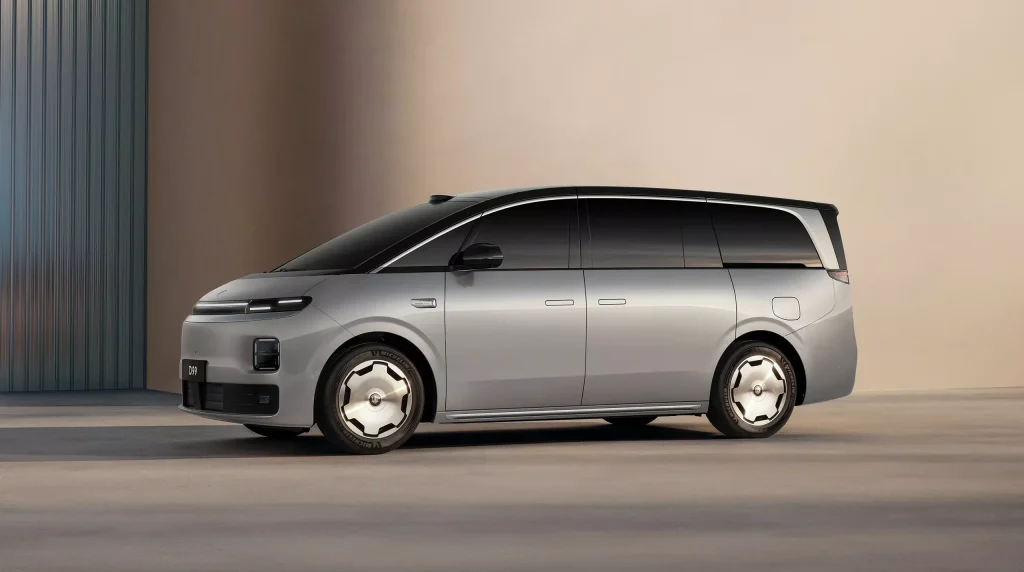
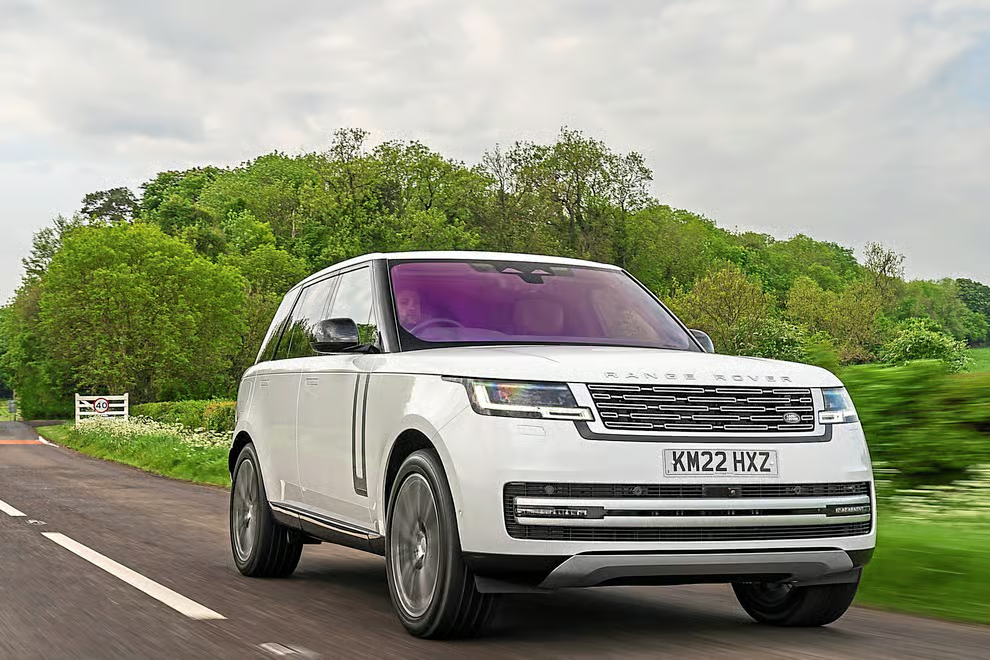
A V8 sedan still anchored to Japan sits alongside an SUV already shipping to China and the Middle East.
Toyota wants Century sold worldwide. The marque, born in 1967, has spent nearly six decades as Japan's chauffeur car of state. Now it sits above Lexus in the corporate hierarchy. That gap is deliberate. Chief Technology Officer Hiroki Nakajima told Bloomberg the Century is "a global model" — and Toyota wants outside reaction to prove it.
The shift matters because no Japanese OEM has successfully colonised the ultra-luxury tier that Rolls-Royce, Bentley, and Mercedes-Maybach have occupied for decades. Lexus peaked at roughly 765,000 global sales in 2023, according to Toyota Motor Corporation's Annual Report, published March 2024 — strong for a near-luxury marque, too broad for the bespoke tier Century now targets. The Century SUV's existing presence in China and select Middle East markets gives Toyota a foothold, but it is a thin one.
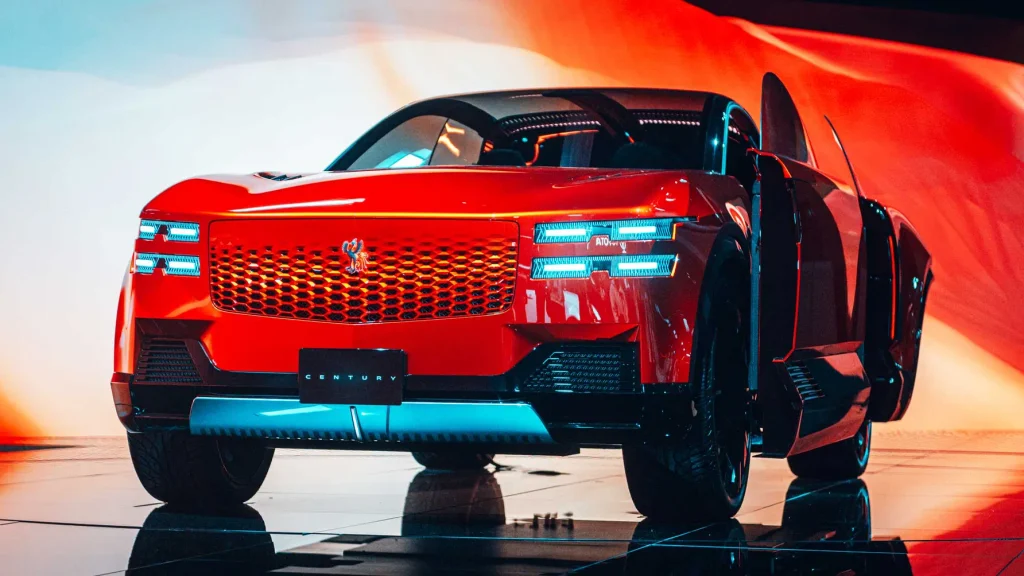
A Chairman Arrives in Detroit Driving the Point Home
Toyota Chairman Akio Toyoda drove a Century SUV into Detroit. The vehicle has no official U.S. sale price, no dealer network, no EPA certification. He drove it anyway. CTO Hiroki Nakajima, speaking to Bloomberg correspondents on site, described the appearance as deliberate market-sensing: Toyota wanted reactions from people deep inside the American auto trade before committing to a market-entry plan. That kind of soft-launch theatre is unusual for Toyota, a company that typically announces only what it has already decided. The Detroit appearance also carried a backstory. It was Toyoda himself who, after seeing the Century sedan and SUV sharing floor space with Corollas and RAV4s at the 2023 Japan Mobility Show, proposed splitting Century into its own standalone brand. The marque now sits in what Toyota's own communications describe as "a class of its own" — above Lexus, outside the main Toyota showroom grid. For full context on how Toyota's global product architecture has evolved since the 2000s, the cluster index tracks each structural shift.
What Century Actually Sells — and Where
The Century SUV runs a twin-turbocharged 3.5-litre V6 in markets outside Japan, where the V8 powertrain remains reserved primarily for the domestic sedan. Toyota has not published Century sales by market, but production capacity gives a ceiling: the Higashi-Fuji plant line allocated to Century has historically turned out fewer than 1,000 units annually across all variants. The coupe concept unveiled in 2024 has no confirmed production date or volume. If Toyota targets even 500 units per year in export markets — China, the Middle East, and any future Western addition — that is roughly 500 × an estimated transaction price above ¥20,000,000 (approximately £105,000 at mid-2024 exchange rates), yielding a revenue line of ¥10 billion before tax, or around £52.5 million. For context, Rolls-Royce delivered 6,032 cars globally in 2023, according to Rolls-Royce Motor Cars' Annual Results statement, published January 2024. Century's ceiling, at least initially, is less than 10 percent of that figure — which says as much about the ambition as it does about the constraint.
Nakajima's Carefully Chosen Words
Hiroki Nakajima, Toyota's Chief Technology Officer, gave Bloomberg the clearest public signal yet of Century's international intent. His exact phrasing: "We want to showcase the latest version of the Century. It's a global model, so we're interested in getting feedback from auto industry officials in Detroit." The statement is measured to the point of being deniable — Toyota has not confirmed a U.S. launch date, pricing, or homologation timeline. But in a company culture where executives rarely speculate aloud, calling something "a global model" in front of American journalists while the chairman sits outside in the car qualifies as a declaration. Nakajima's choice of "feedback from auto industry officials" rather than consumers or dealers also signals that Toyota is still in the sounding-out phase — mapping where resistance will come from before deciding how hard to push.
Century vs. Europe's Established Ultra-Luxury Trio
BMW owns Rolls-Royce. Volkswagen Group controls Bentley. Mercedes-Benz holds the Maybach nameplate. Each of those parent companies spent decades and billions integrating a heritage ultra-luxury brand — or, in Maybach's case, reviving one that had already failed once before 2002. Toyota is attempting something different: it is not acquiring heritage, it is exporting it. The Century sedan's lineage runs to 1967; the Imperial Household of Japan and successive prime ministers have used it. That is a genuine provenance story. The problem is name recognition outside Japan. A 2023 YouGov brand-awareness survey of luxury-car intenders in the United Kingdom found Century unregistered in respondents' unaided recall — a category where Rolls-Royce scored 94 percent and Bentley 89 percent. Toyota will need to close a gap that money alone cannot buy quickly. The BMW performance architecture confirmed for 2027 shows how differently the German group is allocating capital — upward at the sport end, not the ultra-luxury one, leaving that space for Rolls-Royce to hold.
The Brand With No Engine Confirmed for Its Showpiece Car
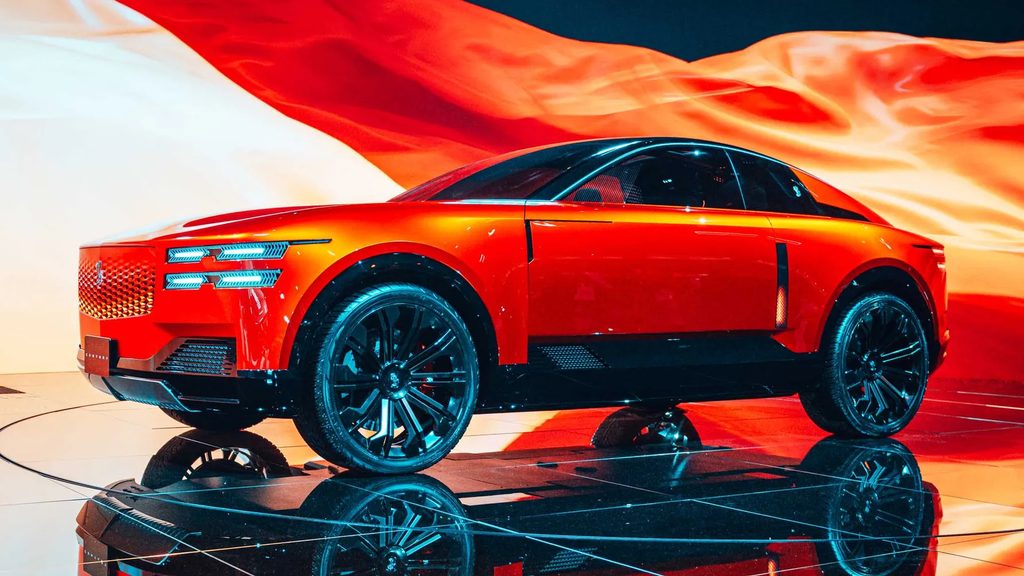
Toyota unveiled a Century coupe concept in 2024. The proportions are long, the roofline dramatic — a notable break from the upright, chauffeur-oriented geometry of the sedan. Toyota has said the coupe exists. It has not said what powers it. The company confirmed only that "not all future Century models will be electric," which rules nothing in and almost nothing out. Speculation about a V12 resurfaces periodically, grounded in the fact that the second-generation Century sedan — produced from 1997 to 2017 — was the only Toyota-badged vehicle ever fitted with a V12 engine. No third-generation document, no product plan summary published by Toyota Motor Corporation through mid-2024, names a V12 programme for the coupe. That absence is itself a data point: Toyota is either protecting a reveal or the V12 talk is wishful inference. Either way, launching a global ultra-luxury brand around a concept car whose powertrain is unconfirmed is an unusual sequence — and one that McLaren's own product-plan disclosure in summer 2025 avoided by naming drivetrains alongside body styles from the outset.
The original Century debuted at the Tokyo Motor Show in October 1967, timed to coincide with the 100th anniversary of Emperor Meiji's accession — the name itself derives from that centennial. Toyota has never exported the sedan in right-hand-drive volume to a Commonwealth market. If a U.S. or European launch follows, it would require left-hand-drive homologation work the sedan has never undergone. That engineering gap is real. The complete Toyota model history and specifications are catalogued in the Global Auto Index manufacturer database.
