

The first-generation model sold 57,945 units before demand dropped to 16,249 in the first half of 2025.
General Motors is replacing the Chevrolet Equinox EV before it turns three. A second-generation model, built on the new BEV-N architecture, targets a late-2028 reveal and 2029 model-year sale date. Two years on the market. That is the shelf life GM is planning for its current compact electric crossover.
A generation change of this speed is uncommon in the compact crossover class, where gasoline incumbents routinely run six to eight years between full redesigns. The accelerated cadence reflects a sharp reversal in Equinox EV momentum: after topping the non-Tesla EV sales chart in the United States, the model fell to fifth place through the first half of 2025, according to General Motors' sales reporting published July 2025. The move also signals wider portfolio restructuring across GM's affordable electric range.
From Sales Leader to Fifth Place: The Numbers Behind the Platform Switch
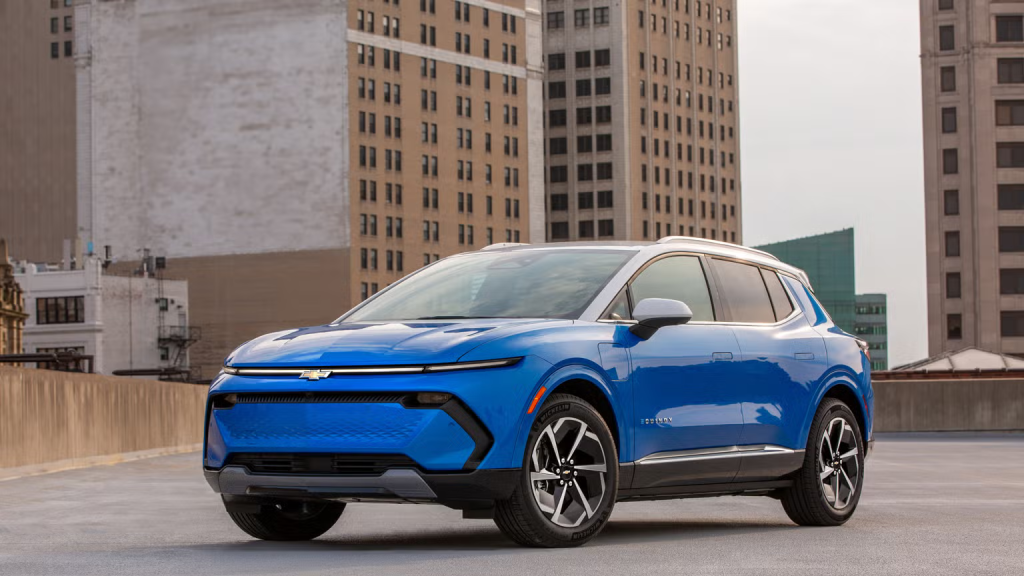
The Equinox EV's trajectory tells the story more clearly than any internal memo. After an aggressive production ramp-up, Chevrolet moved 57,945 units of the first-generation model — enough to rank it the top-selling non-Tesla electric vehicle in the domestic market at that point. Through the first six months of 2025, the figure dropped to 16,249 units, placing the model fifth on the EV sales chart. That swing represents a decline of 41,696 units year-on-year in the comparable half-year window — a fall of roughly 72 percent from peak-ramp output. General Motors' own half-year sales data, released July 2025, confirm the fifth-place ranking. The numbers help explain why GM is advancing the BEV-N transition rather than waiting for a conventional six-to-eight-year cycle. A platform change costing engineering resources only makes sense if the current architecture is already a liability — and the sales arithmetic appears to have made that case internally. This restructuring sits within GM's broader portfolio restructuring effort for 2026 and beyond, which spans multiple nameplates and price bands.
BEV3 Versus BEV-N: What the Architecture Shift Actually Means
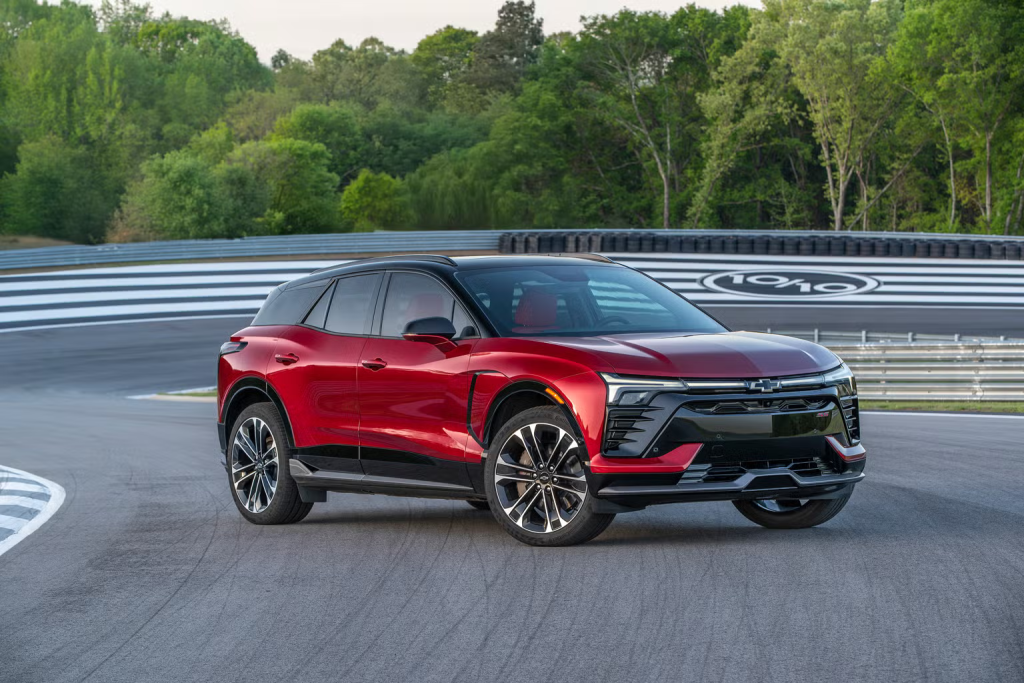
The current Equinox EV shares its BEV3 platform with the Chevrolet Blazer EV and a set of Cadillac electric models, including the Lyriq and Optiq. That common backbone was engineered for a range of vehicle sizes and price points — useful for GM's early EV rollout but not optimised for entry-level packaging or unit economics. BEV-N is being developed specifically for affordable, smaller EVs. GM engineers describe the new architecture as offering tighter cost control in manufacturing and improved use of interior and cargo volume for compact footprints. Where BEV3 effectively borrowed headroom from luxury-vehicle engineering, BEV-N starts from the opposite direction: cheaper to build, sized for the segment rather than adapted to it. For direct context, Chevrolet's product decisions in 2025 have repeatedly reflected a GM organisation willing to move quickly when a model's commercial position deteriorates. The Equinox EV's platform migration follows the same pattern: act on the numbers, do not wait for the cycle.
A Two-Year Generation: Why the Timeline Doesn't Fit the Category
No mainstream gasoline compact crossover in the North American market has moved to a full-platform redesign after two model years in the past decade. The Ford Escape, Honda CR-V, and Toyota RAV4 each held their respective generations for five years or more. Even GM's own Equinox ICE nameplate ran its third generation from 2018 through 2024 — six years — before the current EV model took the name. The anomaly is not just the speed. It is the timing. GM is committing engineering and capital to a 2029 model during a year when the 2024 Equinox EV is still moving through dealer inventory. That means two product programmes — current-generation sales support and next-generation development — running simultaneously with overlapping budgets. What GM has not confirmed publicly is the production volume target for BEV-N-based models, the battery cell sourcing arrangement for the new platform, or whether the Equinox name carries forward unchanged into the 2029 generation. Those gaps matter for anyone trying to read the full scope of the commitment. Honda's own compressed North American product timeline illustrates how platform gaps carry real commercial risk.
What the BEV-N Move Means for Chevrolet Dealers and the Bolt EV
The clearest near-term consequence lands on Chevrolet's retail network. Dealers who invested in EV charging infrastructure and sales training for the first-generation Equinox EV now face a two-year window before the model they stocked changes underneath. Residual values for 2024 and 2025 Equinox EV units will face downward pressure once the 2029 redesign is formally announced — a dynamic that typically accelerates the closer a new generation gets to its reveal date. The Bolt EV, which returned to the market in 2025 on a revised platform and at a lower entry price, is tracking better than the Equinox EV in the first half of the year, according to GM's July 2025 sales data. That divergence gives GM two data points: the Bolt EV's recovery suggests price sensitivity is real in this segment; the Equinox EV's slide suggests that BEV3-based packaging at its current price point is not holding volume. BEV-N, if it delivers on cost targets, could realign both dynamics — but the commercial gap between now and a 2029 launch is a period dealers will need to manage with the existing product.
The first-generation Chevrolet Equinox EV entered production at GM's Ramos Arizpe facility in Coahuila, Mexico, in late 2023 — the same plant that previously built the Chevrolet Blazer and Cadillac XT4. Ramos Arizpe's role in any BEV-N production arrangement has not been announced. The 2029 target model year would mark the Equinox nameplate's 24th year in continuous North American production. The complete Chevrolet model history and specifications are catalogued in the Global Auto Index manufacturer database.
