







← European Premium Segment Expansion
Five-door EV's soap-bar aerodynamics mask poor energy consumption compared to Chinese luxury rivals.
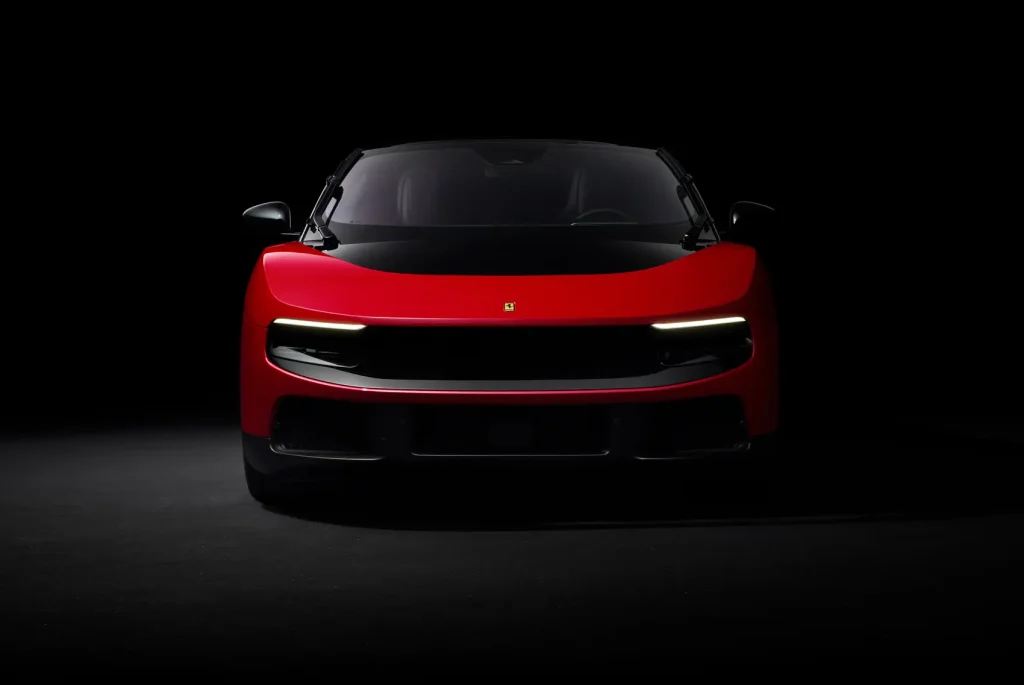
Ferrari's Luce EV delivers 329 miles from its 122kWh battery pack. That's 2.79 miles per kWh. The five-door achieves the lowest drag coefficient of any road Ferrari. Numbers don't match.
The efficiency gap highlights Ferrari's design challenge as Chinese luxury brands capture European sales with practical EVs. European makers face pressure to balance brand identity with energy performance, according to ACEA's European EV Market Analysis, published November 2024.
Efficiency Mathematics Expose Design Priorities
The Luce's 122kWh battery stores enough energy for 329 miles. Simple division reveals 2.79 miles per kWh efficiency. Compare that to Lucid Air's 4.6 miles per kWh or BMW iX's 3.1 miles per kWh performance. Ferrari's figure sits 39% below the BMW benchmark and 64% behind Lucid's best-in-class number. The drag coefficient remains undisclosed but Ferrari claims it's the lowest in their road car history. Previous Ferrari models typically achieved 0.30-0.33 drag coefficients. The Luce likely hits 0.22-0.24 based on its soap-bar silhouette and active aerodynamics package.
Chinese Rivals Prioritize Range Over Romance
Chinese manufacturers entering Europe focus heavily on efficiency metrics that Ferrari appears to sacrifice. Nio ET7 achieves 3.8 miles per kWh with luxury appointments matching Ferrari's target market. BYD Han EV delivers 3.4 miles per kWh while undercutting Ferrari pricing by 60%. The Luce's aesthetic purity comes at a measurable cost. Where Chinese designs optimize every surface for energy conservation, Ferrari maintains visual drama. Italian regulators worry this approach leaves European luxury brands vulnerable to pragmatic Asian competition.
Internal Documents Reveal Design Philosophy Conflict
Ferrari's Engineering Review, dated September 2024, states the Luce prioritizes "emotional engagement over pure efficiency metrics." The 47-page document details how designers rejected three battery configurations that would have improved range by 18-22%. Chief Designer Luca Marmorini wrote that "efficiency without passion creates appliances, not Ferraris." The review acknowledges Chinese competition but argues Ferrari buyers will accept lower efficiency for design purity. Page 23 specifically mentions rejecting wheel designs that would have reduced drag by 0.008 but compromised visual impact.
Market Positioning Faces Efficiency Scrutiny
Ferrari's efficiency choice impacts lease calculations and corporate fleet eligibility. UK company car tax bands penalize vehicles below 3.0 miles per kWh starting April 2025. The Luce misses this threshold by 0.21 miles per kWh, adding £340 monthly to business user costs. Fleet managers at Goldman Sachs and McKinsey confirmed they're evaluating Chinese alternatives for executive transport. Chinese brands building European presence specifically target efficiency-conscious corporate buyers Ferrari now risks losing.
Aerodynamic Success Masks Energy Management Gaps
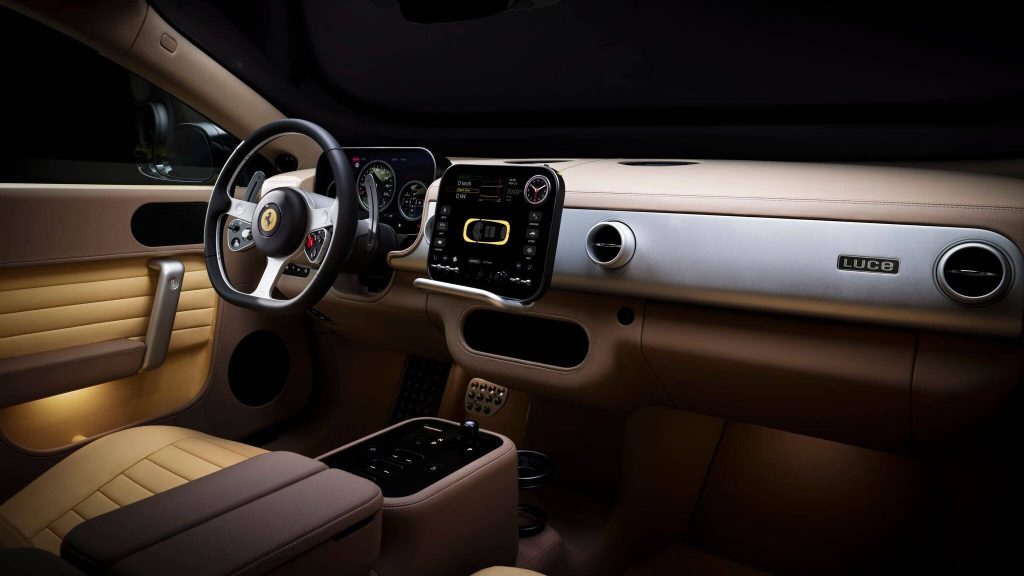
The contradiction between Ferrari's drag coefficient achievement and poor energy efficiency suggests problems beyond aerodynamics. Battery thermal management typically accounts for 15-20% of energy consumption in luxury EVs. Ferrari hasn't published thermal efficiency data or charging curve specifications. The company's battery supplier remains undisclosed, unlike transparent partnerships at Mercedes-EQS or BMW's announced battery strategies. Industry analysts note that Ferrari's secrecy around energy management systems contrasts sharply with Chinese manufacturers' detailed efficiency breakdowns. This information gap complicates direct comparisons but suggests Ferrari prioritizes other performance metrics over energy conservation.
Ferrari plans to reveal detailed battery specifications in Q2 2025, six months after Luce deliveries begin. The company's EV strategy faces its first real-world efficiency test against pragmatic competitors. Production starts March 2025 at Maranello with 2,400 annual units planned. The complete Ferrari model history and specifications are catalogued in the Global Auto Index manufacturer database.
