Cosworth V12 hybrid produces 1,200hp total output in track-only hypercar designed .
Red Bull started final assembly of its first RB17 hypercar last week. Customer deliveries begin spring 2025. Track testing starts within weeks.
The move marks Red Bull's entry into hypercar manufacturing, two years after revealing the track-only machine at Goodwood. The RB17 competes against McLaren Senna GTR and Ferrari FXX-K Evo in the circuit-only segment, according to program chief Rob Bray's interview with Autocar, published May 2024.
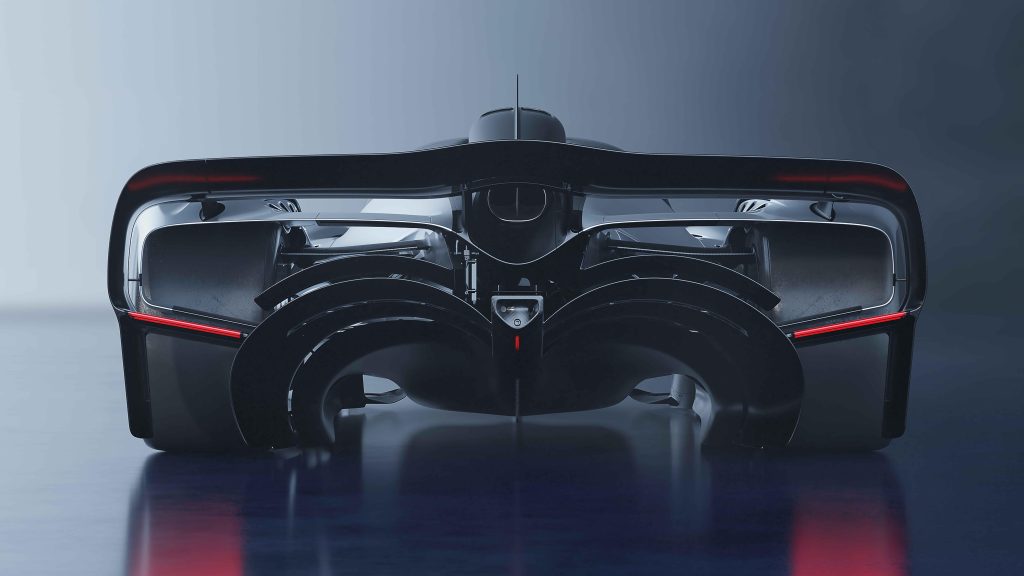
1,200hp hybrid targets sub-2,000lb weight
The RB17 combines a Cosworth 4.5-litre naturally aspirated V12 with a 200hp electric motor. Engine output reaches 1,000hp at 15,000 rpm. Total system power hits 1,200hp through the Xtrac gearbox integration. Target weight sits just under 2,000 pounds — that's 1,200hp divided by 2,000 pounds equals 0.6hp per pound, matching Formula 1 power-to-weight ratios. Top speed reaches 220 mph. Maximum downforce generates 3,747 pounds at lower speeds, though Red Bull limits this above 93 mph to prevent tire overload. The shift toward boutique hypercar production reflects broader changes in automotive manufacturing priorities.
Testing schedule accelerates toward production
Rob Bray confirmed track testing will commence "within a few weeks" during his May interview with Autocar. The program timeline positions first customer cars for spring 2025 delivery, approximately 18 months after the Goodwood Festival of Speed debut in July 2024. Red Bull modified the original design during development, adding a central spine over the engine cover to increase rear wing downforce efficiency. The company hasn't disclosed total production numbers or pricing, though industry sources estimate costs exceed £5 million per unit. McLaren's expanding product portfolio includes similar track-focused models competing in this segment.
Energy drink giant challenges established hypercar makers
Red Bull's hypercar represents an unusual trajectory from beverages to automotive manufacturing. McLaren Senna GTR produces 814hp compared to the RB17's 1,200hp output — a 47% power advantage for the newcomer. Ferrari FXX-K Evo generates similar 1,036hp through its hybrid V12 system. However, Red Bull lacks McLaren's 60-year racing heritage or Ferrari's century-long automotive experience. The company's Formula 1 expertise provides aerodynamic knowledge but not road car production capability. Adrian Newey designed the RB17 before departing Red Bull Racing in May 2024, leaving questions about future model development without the renowned aerodynamicist.
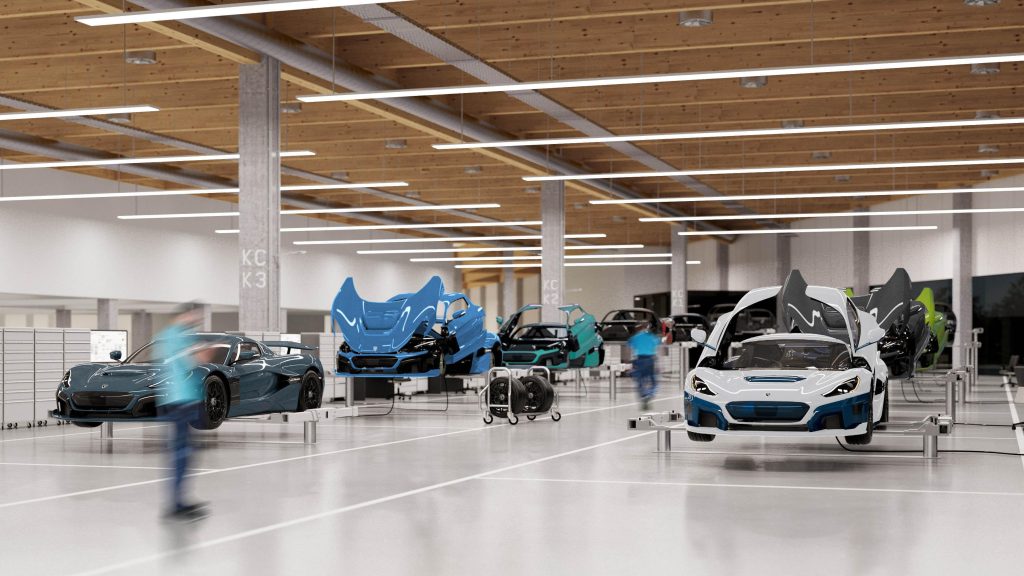
Production location remains undisclosed
Red Bull hasn't revealed where RB17 assembly occurs, unusual transparency for a company typically open about operations. The final assembly announcement lacks facility details, workforce numbers, or manufacturing partner identification. Most hypercar makers trumpet production locations — McLaren in Woking, Ferrari in Maranello, Koenigsegg in Ängelholm. Red Bull's silence suggests either a third-party arrangement or a deliberately secretive approach. The company operates facilities in Milton Keynes for F1 operations, but hypercar production requires different capabilities and certifications. Without clear manufacturing provenance, customers may question build quality assurance and after-sales support infrastructure.
The RB17 project began development in 2022, making it a three-year timeline from conception to delivery. Red Bull previously partnered with Infiniti on road cars between 2011-2016 but never manufactured complete vehicles independently. Production allocation details remain confidential. The complete Red Bull model history and specifications are catalogued in the Global Auto Index manufacturer database.
