Mercedes luxury brand rejects V8 downsizing despite regulatory pressure across multiple markets worldwide.
Maybach will keep building V12 engines despite tightening emissions rules. The S680's twin-turbo 6.0-litre unit produces 621hp. US buyers drive global V12 demand.
The commitment reflects broader industry resistance to electrification mandates, contrasting sharply with European Union plans that targeted 2035 combustion bans. Markus Bauer, Maybach division head, confirmed the strategy during recent media briefings, according to Road and Track reporting in May 2025.
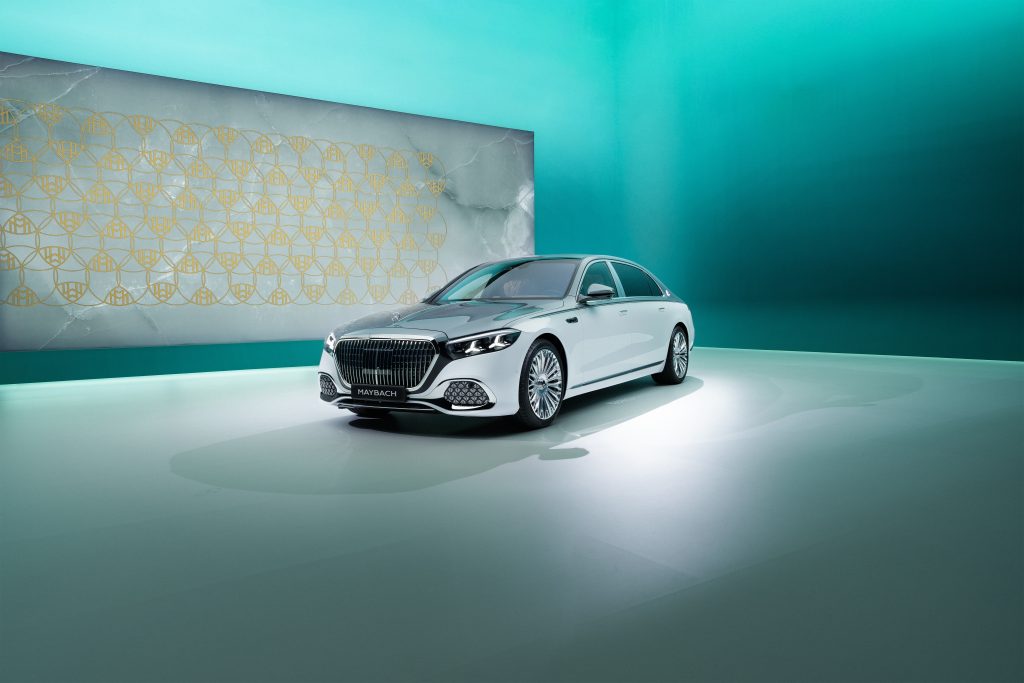
V12 demand drives product decisions
Bauer dismissed suggestions that Maybach might switch to smaller engines. "It's hard to convince someone who wants a V12 to buy a V8," he stated during the briefings. The twin-turbo 6.0-litre V12 remains available in the S680 model, though regulatory restrictions block sales in several markets. "The V12 and Maybach go very well together. Our ambition is always to offer the V12," Bauer added. The engine generates 621 horsepower in US specification, maintaining Maybach's position as one of few brands still developing twelve-cylinder powertrains. Industry restructuring patterns show luxury manufacturers increasingly defending combustion engines against regulatory pressure.
Market access varies by region
The S680's V12 availability depends entirely on local emissions standards. US buyers can order the twelve-cylinder engine, but European markets face growing restrictions. Bauer identified America as "the strongest V12 market" where Mercedes can "continue to sell the V12." This contrasts with EU manufacturing policies that prioritise electric vehicle production. China's luxury segment also shows V12 appetite, though regulatory changes threaten access there too. The geographic split forces Maybach to maintain multiple powertrain strategies simultaneously. Some regions get V8-only lineups while others retain twelve-cylinder options. This fragmentation increases development costs but preserves customer choice in receptive markets.
Combustion commitment spreads across brands
At least seven major manufacturers reversed electrification timelines during 2025. Porsche committed to gasoline engines "far into the next decade" in April 2025. Ferrari, Toyota, Bentley and Audi made similar pledges. Mercedes-Benz announced its "course correction" in June 2025, extending combustion engine production beyond original phase-out dates. Even Mini abandoned gas engine elimination plans. The reversal affects roughly 40% of global luxury production capacity. Volkswagen's new EV platform accommodates gasoline engines, covering 12 model lines. Performance car sales show continued combustion preference among enthusiast buyers. Development spending on internal combustion reached €2.3 billion across German manufacturers in 2025, up 18% from 2024 levels.
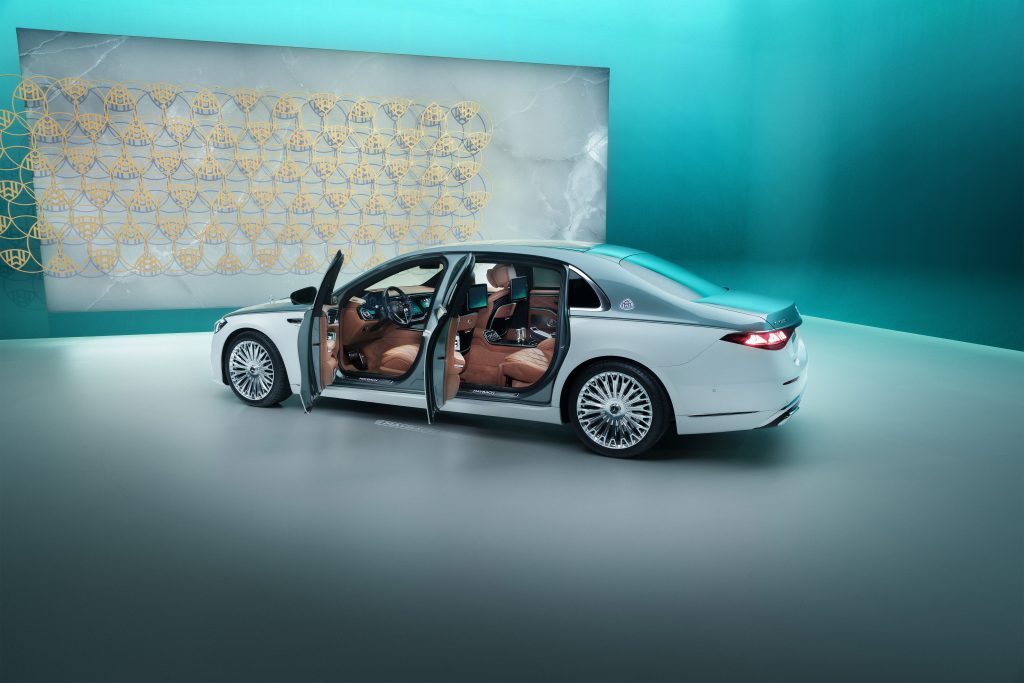
Regulatory gaps create market opportunities
Maybach's V12 strategy exploits inconsistent global emissions enforcement. While European rules tighten, US Corporate Average Fuel Economy standards allow luxury exceptions through fleet averaging. The S680 qualifies as a low-volume specialty vehicle, exempting it from certain efficiency requirements. This regulatory arbitrage lets Mercedes maintain V12 production for specific markets while developing electric alternatives elsewhere. Manufacturing continues at the Sindelfingen plant, where 847 workers handle V12 assembly across three shifts. The engine line produces 12,000 units annually, with 68% destined for North American delivery. Bauer confirmed no production cuts through 2027, suggesting stable regulatory treatment in core markets.
The V12 commitment extends beyond Maybach, with Rolls-Royce and Bentley maintaining twelve-cylinder development through 2028. Mercedes invested €400 million in V12 tooling updates during 2024, indicating long-term production planning. The complete Mercedes-Maybach model history and specifications are catalogued in the Global Auto Index manufacturer database.
