







Consumer Reports data shows percentage-based charging times mislead without range context for comparison.
Hyundai dealers pitch the Ioniq 5's charging speed as unbeatable. The 800-volt system hits 240kW acceptance rates. But the numbers tell a different story.
Charging anxiety drives EV hesitation, making speed claims powerful sales tools. Yet according to Consumer Reports data published March 2024, percentage-based charging times obscure the real metric: miles added per minute. The Ioniq 5 joins just five models achieving 10+ miles per minute at DC fast chargers.
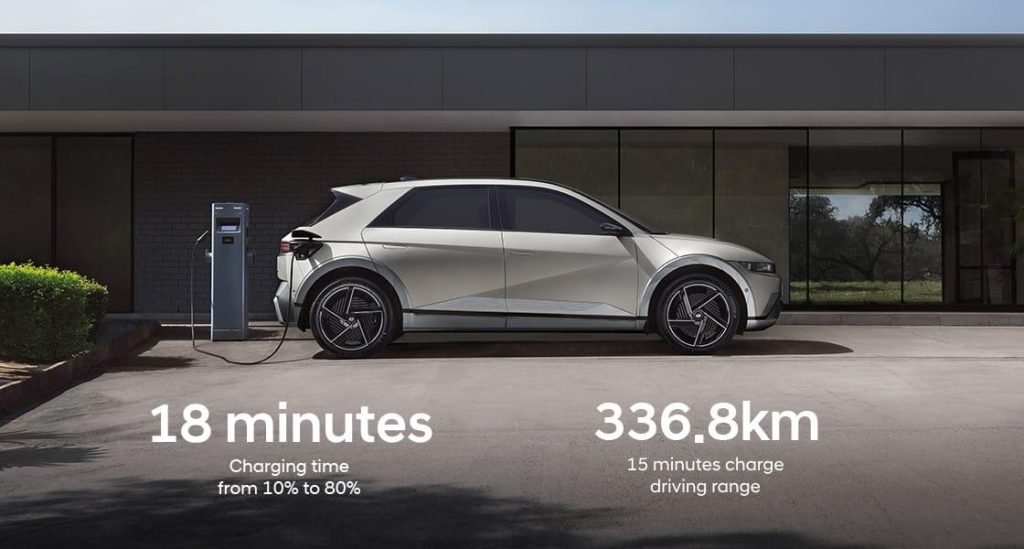
Dealer Claims Face Reality Check
Cameron Alley, a Hyundai salesman active on social media, tells customers the Ioniq 5 charges "quicker than every single competitor on the market." His TikTok video promoting the 2026 model year claims 10-80% charging in 20 minutes represents market leadership. The pitch targets charging anxiety directly. But Consumer Reports places the Ioniq 5 alongside the Kia EV6, Genesis GV60, Porsche Taycan, and Tesla models in the same performance bracket. All share similar 800V architectures. Alley's "winning the EV war" statement reflects dealer confidence but oversimplifies technical parity among premium EVs.
800V Architecture Delivers Speed
The Ioniq 5's 240kW maximum acceptance rate exceeds most charging station output capacity. Consumer Reports identifies five EV families achieving 10+ miles per minute at DC fast chargers. The 800V electrical architecture shared with Kia and Genesis enables this performance versus 400V systems used by most competitors. Charging station power splits between multiple users reduce real-world speeds. A 350kW station serving four vehicles delivers roughly 87.5kW each if evenly distributed. That calculation drops actual charging below advertised peaks. The Ioniq 5's theoretical advantage shrinks when infrastructure limits power delivery. Station congestion affects all fast-charging EVs equally, regardless of onboard capability.
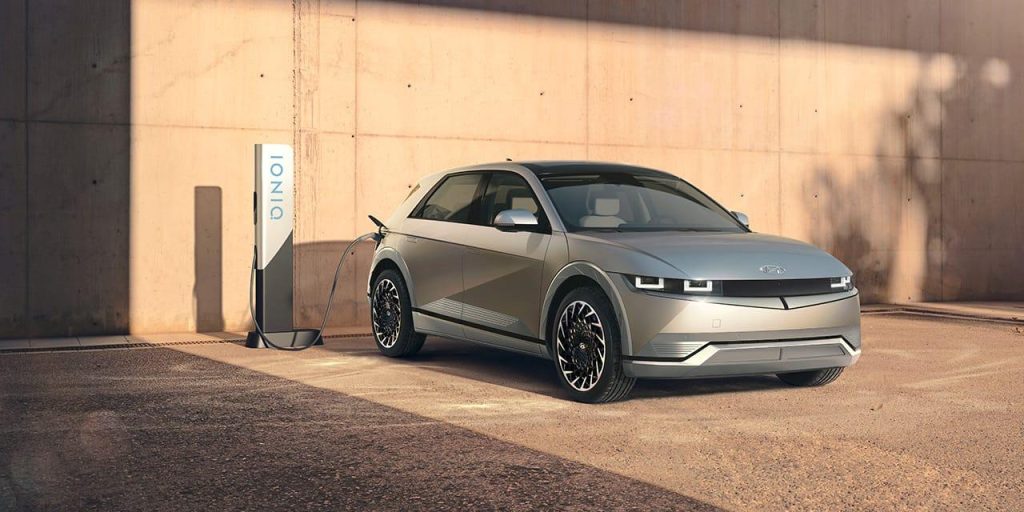
Range Per Minute Trumps Percentage Claims
Automakers advertise percentage-based charging times but hide range context. A 20-minute 10-80% charge means different things for 250-mile versus 400-mile range vehicles. Consumer Reports emphasizes miles-per-minute as the meaningful comparison for drivers. The Ioniq 5's 303-mile EPA range translates to roughly 212 miles added in that 20-minute session. Tesla Model S Plaid covers 405 miles EPA-rated, adding approximately 284 miles in similar timeframes when charging infrastructure permits. Chinese EVs entering European markets face the same percentage-versus-range confusion in their marketing approaches.
Heat Throttling Undermines Speed Claims
Lithium-ion battery physics contradicts dealer promises about consistent fast charging. According to Midtronics technical documentation, heat generation during rapid charging triggers protective throttling above 80% charge levels. The final 20% takes as long as the first 80% in many cases. Dealers promoting "ultra-fast" charging rarely mention this limitation. The Ioniq 5's 240kW acceptance rate applies only under optimal temperature conditions and lower battery states. Real-world charging sessions involve significant speed reductions as batteries warm up. Customer expectations built on peak-rate advertising face disappointment during actual road trips requiring multiple charging stops.
Hyundai delivered 68,882 Ioniq 5 units in the U.S. during 2023, trailing Tesla Model Y's 394,497 sales despite charging speed advantages. The 2026 model year brings exterior design updates and interior refinements launching this September. Dealer training on technical specifications continues through Q4 2024. The complete Hyundai model history and specifications are catalogued in the Global Auto Index manufacturer database.
