







Canada's dollar-for-dollar retaliation kicks in September 8, targeting US steel, dairy, and farm equipment.
Talks died on August 21. Washington offered a tariff cut — passenger cars and light pickups only. Canada said no. The exclusion of medium and heavy trucks from a proposed 25%-to-15% reduction was enough to collapse months of negotiation and unleash a 50% duty wave on Canadian exports now estimated at $28 billion.
The breakdown is a harder supply-chain shock than the 25% auto tariffs Canada faced earlier this year. According to Automotive News reporting published August 21, 2025, the proposed 15% rate was within reach until the final 72 hours, when US negotiators moved to carve out heavier vehicles. For comparison, the earlier tariff round left cross-border light-vehicle supply chains bruised but largely intact; this round hits the commercial truck segment that Ontario plants depend on.
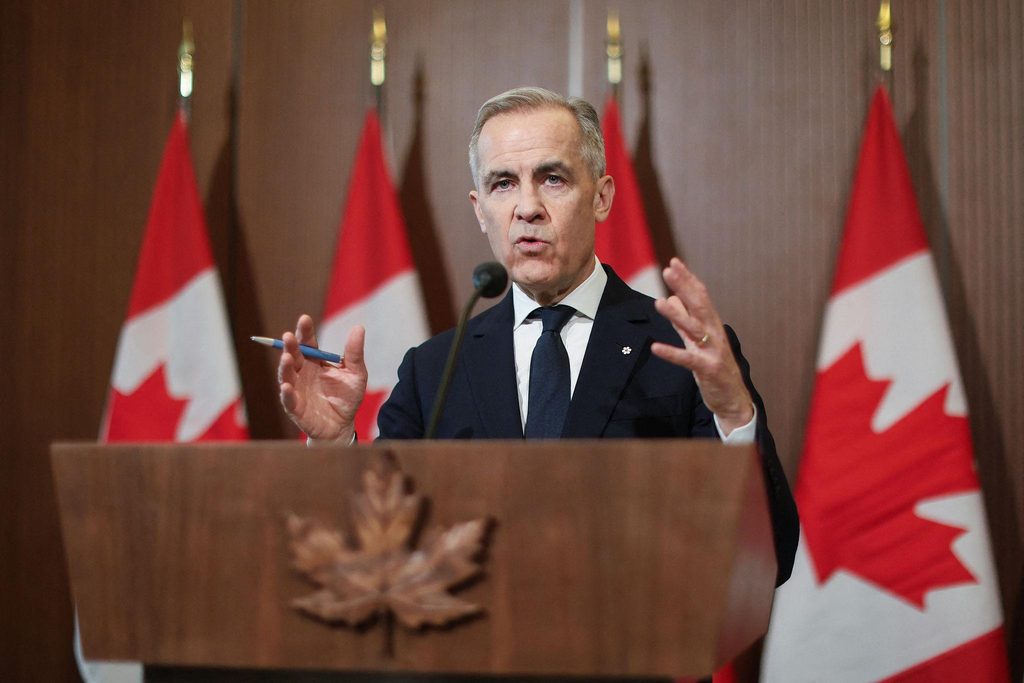
How 72 Hours Killed the Deal
Prime Minister Mark Carney announced the collapse publicly on August 21, telling reporters that Washington "asked too much and offered too little." In the days before the deadline, Canadian and US negotiators had appeared close. Both sides accepted the headline number: auto duties falling to 15% from 25%. Then the White House moved. US negotiators pushed to limit that relief to passenger cars and light pickups, leaving medium and heavy trucks exposed not only to the existing 25% rate but to new 50% duties applied across a broad basket of Canadian exports. Ottawa refused to sign a deal that excluded the commercial truck sector entirely. Carney's office confirmed the breakdown within hours. Canada's retaliation order, set to take effect September 8, covers US steel, dairy, farm equipment, appliances, electronics, furniture, and wine — a list calibrated to match the $28 billion in Canadian goods now facing American duties.
The Numbers Behind the Breakdown
The tariff exposure breaks down as follows. The US originally imposed a 25% rate on Canadian-built vehicles. The proposed deal would have cut that to 15% — a 10-percentage-point reduction, or a 40% reduction in the duty rate itself (10 ÷ 25 = 0.40). Instead, the 50% wave applies to Canadian exports now valued between $20 billion and $28 billion; Carney revised the figure upward from the initial $20 billion estimate, a difference of $8 billion, or a 40% increase in exposed trade value. Canada's retaliatory order matches US duties dollar-for-dollar starting September 8. Ontario's assembly plants produce vehicles across both light and heavy categories. Stellantis operates the CAMI Assembly facility in Ingersoll, Ontario — previously exposed to the 25% truck tariff — and now faces the full 50% rate on commercial vehicle output crossing the border. GM had already flagged tariff-related losses in the $4 billion to $5 billion range for 2025, according to company guidance issued earlier this year.
Carney's Line and What Ottawa Was Defending
Carney kept the language plain. Washington, he told reporters on August 21, "asked too much and offered too little" — eight words that ended the negotiation publicly and set the retaliation clock running. The phrase matters beyond the politics. Canadian officials had spent the final days of talks arguing that medium and heavy trucks were not a peripheral issue. Ontario plants build commercial vehicles that US fleet operators — from logistics firms to municipal services — rely on directly. Excluding those vehicles from tariff relief was not, in Ottawa's reading, a technical carve-out. It was a structural rejection of Canada's manufacturing base. According to Automotive News coverage published August 21, 2025, Canadian officials confirmed US negotiators introduced the truck exclusion late in the process, after the headline 15% rate had already been agreed in principle. That sequencing — agreement first, carve-out second — is what Ottawa says made the deal impossible to close. Honda's North American supply chain faces a parallel squeeze from the same tariff environment.
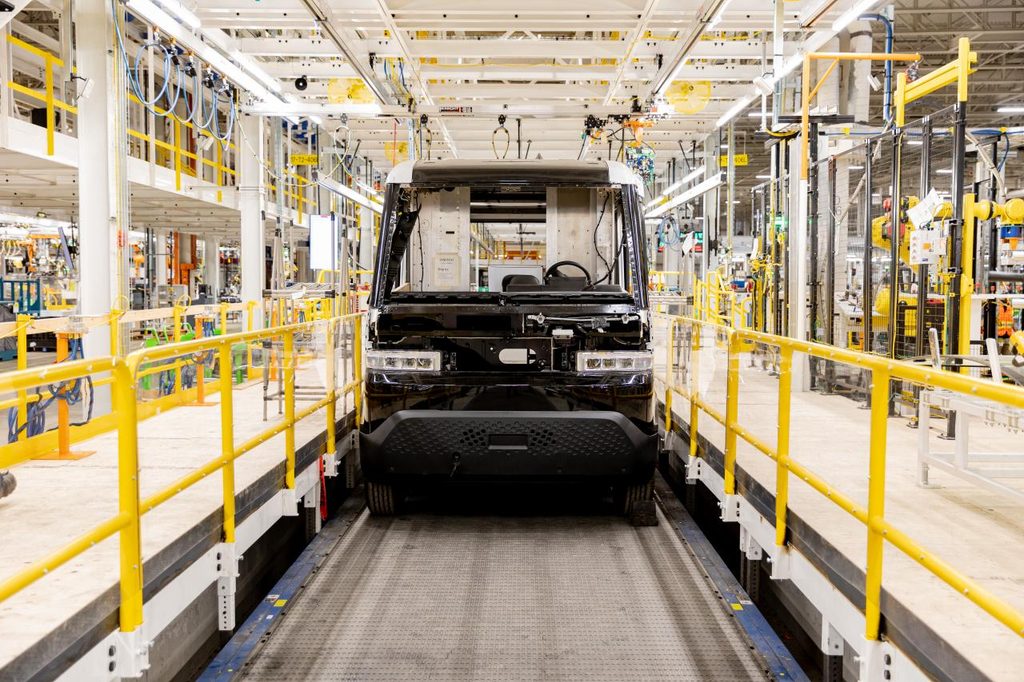
Stellantis, GM, and the Ontario Plants Caught in the Middle
Stellantis bears the most direct exposure among named OEMs. The CAMI Assembly plant in Ingersoll, Ontario — retooled for BrightDrop electric van production before that programme was wound down — now sits inside the 50% tariff perimeter for commercial vehicles destined for the US market. Every truck crossing the border from that facility faces a duty rate double what existed before August 21. General Motors has Canadian assembly operations as well, and the company had already disclosed expected tariff-related losses of $4 billion to $5 billion for 2025 in earnings guidance provided to investors earlier this year. Neither figure accounts for the post-August-21 escalation. Smaller Tier 1 and Tier 2 parts suppliers operating in Windsor and the broader Ontario corridor face the sharpest margin pressure. Unlike OEMs, they lack the production-shift options available to larger assemblers. The EU Industrial Accelerator Act, moving through Brussels concurrently, adds a third regulatory front for OEMs managing transatlantic supply chains.
The Deal That Was Almost There — and Why That Makes It Worse
The strangest part of the August 21 collapse is how close both sides got. The 15% rate was not contested. The timeline was not contested. What broke the deal was a category definition introduced, according to Canadian officials cited in Automotive News reporting from August 21, 2025, in the final 72 hours of talks. That timing is not a footnote. If the truck exclusion had been on the table from the start, Ottawa could have negotiated around it or walked away earlier. Introducing it at the deadline transformed a closing session into a breakdown. What was never clarified publicly: whether the White House directive to exclude medium and heavy trucks came from trade staff or from a higher level of the administration. That question went unanswered in the August 21 briefings. Canada's retaliatory list also raises an unanswered question — it targets US farm equipment, a sector with no obvious connection to the truck tariff dispute, suggesting Ottawa is applying broad pressure rather than sector-specific reciprocity.
Canada and the US last operated without a bilateral auto trade accord in the period before the original Canada–US Free Trade Agreement took effect in January 1989. The September 8 retaliation date gives both governments roughly 18 days from the August 21 breakdown to find an off-ramp — a window that no official source has confirmed is being used. The complete Stellantis model history and specifications are catalogued in the Global Auto Index manufacturer database.
