







Used car dealer highlights decade-old electric vehicle bargain despite warranty expiration concerns.
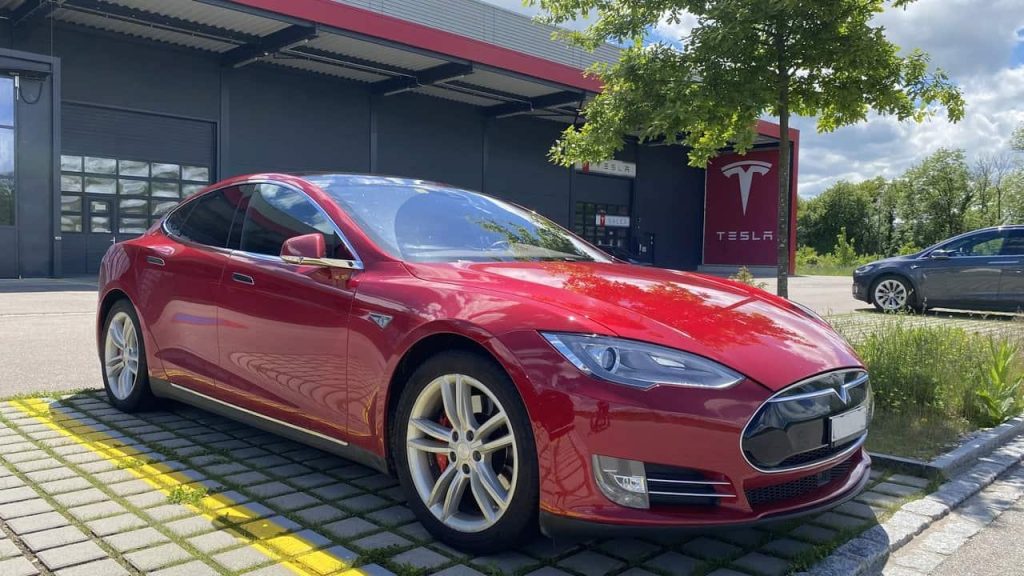
A 2013 Tesla Model S sold for $8,500 against original pricing between $60,000 and $95,000. The decade-old electric vehicle retains visual appeal. Battery warranty coverage has expired.
The purchase highlights growing second-hand electric vehicle availability as first-generation EVs age beyond manufacturer warranty periods. Tesla's 2013 Model S originally competed against BMW 7 Series and Mercedes S-Class pricing, according to the company's original specification documents from 2012.
Dealer Claims Budget Performance Appeal
Minnesota Value Motors documented the purchase through social media, stating the vehicle attracts attention despite its age. The dealer emphasized fuel cost savings: "you can't beat a car that looks that good for $8,500 bucks, and this thing's cheap as hell to drive with gas prices where they are." The 2013 model retains Tesla's signature door handle deployment and exterior design language unchanged from current production. Industry restructuring patterns show more dealers stocking aged electric vehicles as supply increases. The Model S maintains original 17-inch or 19-inch wheel options depending on trim level. Front and rear LED lighting assemblies match newer Tesla design cues introduced in 2012.
Battery Replacement Costs Exceed Vehicle Value
Tesla service centres charge between $13,000 and $20,000 for complete battery pack replacement on 2013 Model S units. Independent repair shops offer services from $9,000 to $14,000 per job. The $8,500 purchase price represents 14% of the vehicle's original $60,000 base price. Battery degradation affects all lithium-ion systems after 8-10 years regardless of maintenance practices. Tesla discontinued warranty coverage on 2013 model batteries in 2021. Third-party repair facilities can isolate defective cells rather than replacing entire battery packs, reducing costs by approximately 30%. The calculation shows potential total ownership reaching $28,500 ($8,500 + $20,000) for worst-case scenarios. Manufacturing consolidation trends may reduce independent repair shop availability.
Technology Upgrades Required for Modern Features
The 2013 Model S includes MCU1 processing hardware with 3G connectivity, while current Tesla vehicles use MCU2 systems with 5G capability. Tesla offers MCU1 to MCU2 upgrades for $1,500 to maintain software compatibility and Full Self-Driving feature access. The upgrade addresses eMMC storage failure common in 2012-2014 Tesla models. BMW's electrification strategy includes 10-year software support commitments, contrasting with Tesla's hardware upgrade requirements. Mercedes-Benz EQS models launched in 2021 include over-the-air update capability without hardware changes through 2029. The MCU1 system displays vertically-oriented screens measuring 17 inches diagonally compared to current horizontal layouts. Processing speed differences create 3-5 second delays when accessing navigation or media functions.
Mechanical Issues Persist Despite Electric Drivetrain
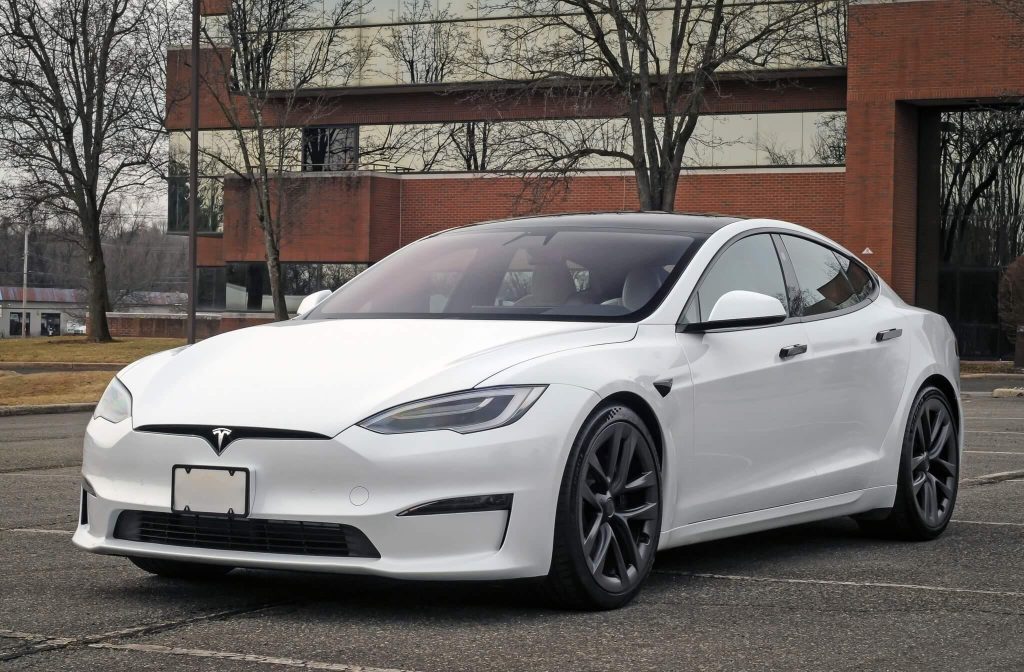
Tesla issued seat belt warning system recalls affecting 2013 Model S production despite electric vehicles having fewer mechanical components than internal combustion engines. Front control arm replacements cost approximately $2,700 according to Tesla Motors Club user reports. Door handle mechanisms fail to deploy automatically, requiring manual activation in affected units. The 2013 model experiences bearing and rotor faults typically associated with traditional automotive designs rather than electric vehicle architecture. Tesla's direct-sales model means no dealer network handles warranty work on expired vehicles, unlike conventional manufacturers maintaining service obligations. Independent mechanics report difficulty sourcing Tesla-specific components for vehicles older than eight years. The contradiction shows electric vehicles maintaining traditional automotive failure patterns beyond powertrain systems.
Tesla produced approximately 22,300 Model S vehicles in 2013 across all trim levels, with current used market inventory representing 15% of original production volume. The 2013 model year introduced air suspension as standard equipment across all configurations. The complete Tesla model history and specifications are catalogued in the Global Auto Index manufacturer database.
