Company CEO confirms performance models excluded from CVT deployment after $3 million lawsuit settlement.
Nissan restricts CVT transmissions to vehicles under C-segment. The company moved Murano and Pathfinder models to nine-speed automatics. CEO Ivan Espinosa confirmed performance cars will never receive CVTs.
The transmission policy follows a $3 million class-action settlement with Maxima and Murano owners over CVT reliability issues. Nissan's selective deployment contrasts with Toyota's broader CVT adoption across multiple segments, according to company statements made at Yokohama headquarters in April 2024.

Light-duty restriction confirmed
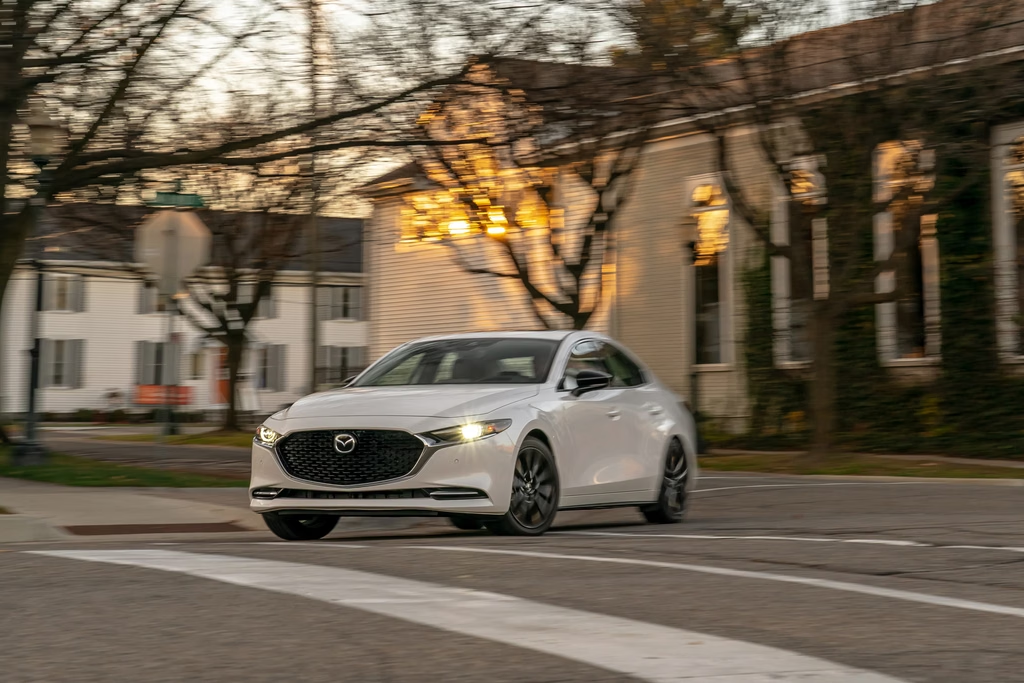
Espinosa detailed the transmission boundaries during the Yokohama briefing. "The CVT still works in small cars—it's a transmission that works well in light-duty cars, up to C segment," he stated. The executive acknowledged weight limitations affect CVT performance on heavier platforms. Nissan positions the technology for Kicks and Sentra models while excluding larger vehicles from CVT deployment. The Japanese manufacturer's transmission evolution reflects broader industry shifts toward application-specific powertrains. Engineering constraints rather than cost considerations drive the segmentation policy.
Nine-speed transition accelerates
Current Murano and Pathfinder models received nine-speed automatic transmissions replacing previous CVT units. The transition affects E-segment vehicles weighing over 1,800kg compared to lighter C-segment models under 1,400kg. Nissan's policy differs from Honda's approach, which continues CVT deployment across Pilot and Passport SUVs. The nine-speed units deliver conventional shift points versus CVT's continuous ratio changes. Honda's North America strategy maintains CVT technology in heavier applications where Nissan retreated. Upcoming Xterra models will receive automatic transmissions following the larger vehicle protocol.
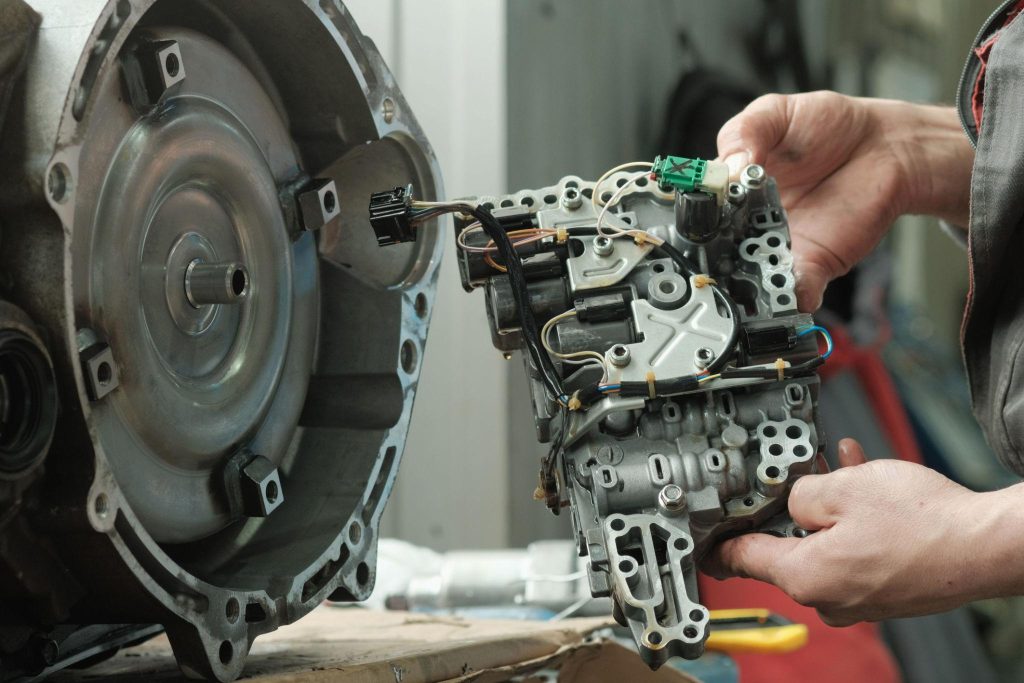
Performance exclusion extends beyond current lineup
Espinosa's Skyline reference reveals transmission policy for dormant performance nameplates. The executive stated he would "make a Sylvia" rather than create a "Spicy Sentra" using CVT technology for affordable sports cars. This approach contradicts Subaru's WRX CVT adoption in performance applications. Nissan ceased Skyline production in Japan during 2022 while maintaining the exclusion principle for future revival scenarios. The policy suggests manual or dual-clutch transmissions for performance applications despite development costs. No current Nissan sports car uses CVT technology across global markets.
Warranty extensions follow legal settlement
The $3 million settlement extended CVT warranties for affected Maxima and Murano owners beyond standard coverage periods. Legal proceedings identified specific failure modes in CVT units installed between 2013-2017 model years. Nissan's transmission restrictions reduce future liability exposure from CVT-related warranty claims. The company improved CVT reliability through software updates and component modifications according to technical bulletins. Fleet buyers previously avoiding Nissan CVT models may reconsider larger vehicles with conventional automatics. Dealer networks report reduced CVT-related service appointments following the transmission policy changes.
Nissan introduced CVT technology to North American markets in 2003 with the Murano crossover, achieving 25% fuel economy improvements over four-speed automatics. The technology now serves vehicles accounting for 40% of Nissan's global volume. Engineering teams continue CVT development for hybrid applications despite the performance car exclusion. The complete Nissan model history and specifications are catalogued in the Global Auto Index manufacturer database.
