







CEO Ivan Espinosa hints at expanded sports car lineup including possible Silvia revival beneath Z model.
Nissan CEO Ivan Espinosa confirmed development of a new GT-R during interviews at company headquarters in Yokohama. The R36 generation will incorporate hybrid technology. Sports car expansion looks probable.
The confirmation marks the first direct CEO statement on R36 development, following the R35's 2024 exit after 17 years. Espinosa's comments contrast with earlier hints from product planners, according to Motor1 interviews published April 2024, positioning sports cars as central to Nissan's identity.
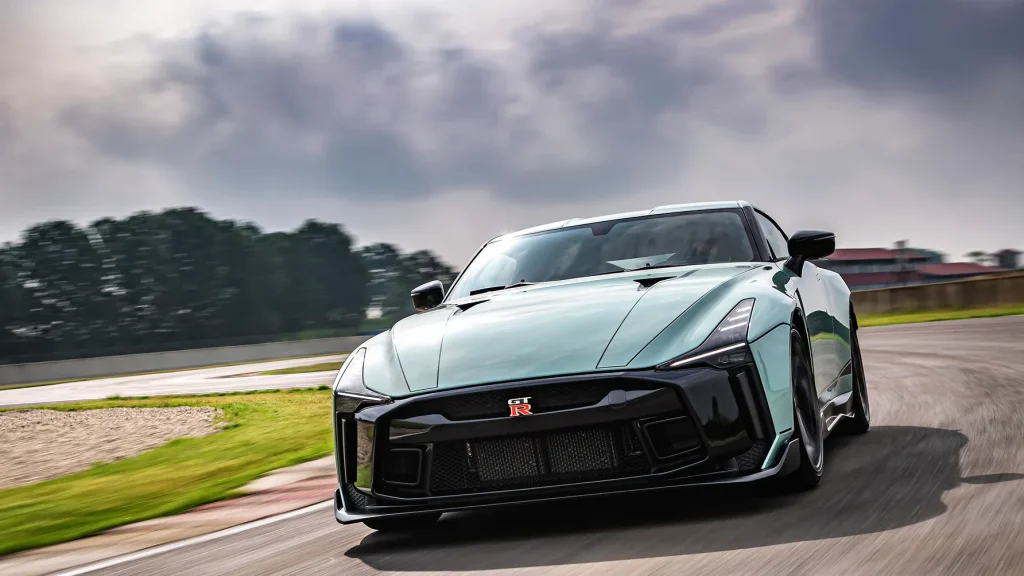
GT-R retains performance credentials despite electrification
Espinosa emphasised the GT-R's status as both company and industry icon during headquarters discussions. "The GT-R will come with the credibility and credentials it has always had, because it's an icon of a company, but more so an icon of the industry," he stated. The CEO referenced technical capabilities of Akashi-san's engineering team as proof of concept viability. Hybrid integration appears inevitable given BMW's 1,300hp M3 approach and regulatory pressures across key markets. Performance remains non-negotiable despite powertrain evolution, with early development rumors suggesting power increases over the R35's 565hp output.
Sports car expansion targets affordability gap below Z
Nissan USA's chief product planner Ponz Pandikuthira confirmed GT-R return plans at April's New York Auto Show, but CEO confirmation carries different weight. Espinosa hinted at Silvia nameplate revival to fill positioning below the current Z model, which starts around £35,000 in European markets. "Sports cars are the core of what we are as a company," Espinosa noted, referencing multiple available nameplates. His comments suggest internal debate between expansion speed and financial prudence. The approach mirrors broader industry restructuring where manufacturers balance heritage exploitation against development costs.
Timeline gaps emerge between executive statements
Espinosa's confirmation lacks specific launch timing, creating uncertainty around R36 market arrival. Previous industry speculation suggested 2030 target dates, but CEO comments offer no validation. The R35 concluded production in 2024 with two special editions, leaving a performance gap in Nissan's global lineup. Hybrid development typically requires 4-5 years from concept approval to production, suggesting current work began around 2022-2023. However, production capacity constraints affecting multiple manufacturers could extend development cycles. Nissan's sports car investment timing appears disconnected from immediate market pressures facing the broader portfolio.
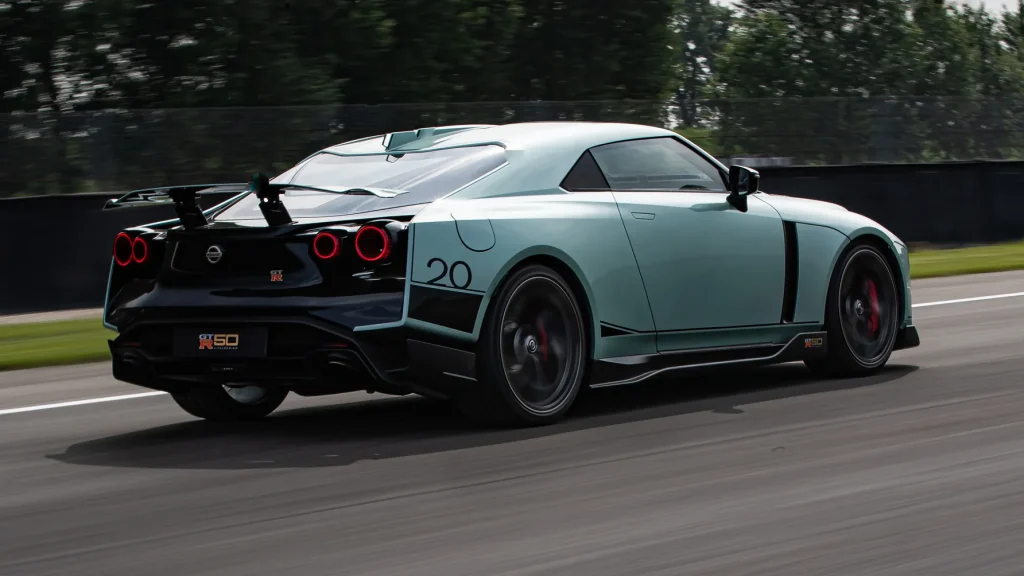
Engineering teams face hybrid integration challenge
The Akashi engineering division must reconcile GT-R performance expectations with electrification mandates across major markets. Japan's carbon neutrality targets by 2050 eliminate pure combustion options for long-term viability. European regulations will effectively ban non-hybrid performance cars by 2030 through emissions penalties. Nissan's sports car commitment requires substantial engineering investment when the company faces restructuring pressure. The R36 development team confronts integration challenges that defeated several competitors, including Subaru's WRX hybrid cancellation and Mitsubishi's Evo program termination. Success depends on battery packaging solutions that preserve GT-R's signature handling characteristics.
The GT-R nameplate spans six generations since 1969, with R35 production totaling 120,000 units globally. Nissan discontinued 11 models in 2024 while promising fresh product launches through 2027. Market analysts estimate hybrid GT-R pricing could reach £150,000. The complete Nissan model history and specifications are catalogued in the Global Auto Index manufacturer database.
