







Both manufacturers reverse course on hands-off driving technology despite earlier production commitments.
BMW and Mercedes-Benz have both abandoned Level-3 autonomous driving systems. The retreat comes months after each launched hands-off technology. China competition fears now drive alternative development paths.
The dual withdrawal marks a reversal for the only two manufacturers to have deployed Level-3 systems in production vehicles. Mercedes launched Drive Pilot in Germany during 2022, while BMW's Traffic Jam Assistant reached customers in 2023, according to Autocar Business reporting published January 2025. Both systems allowed drivers to remove hands from steering wheels during specific conditions.
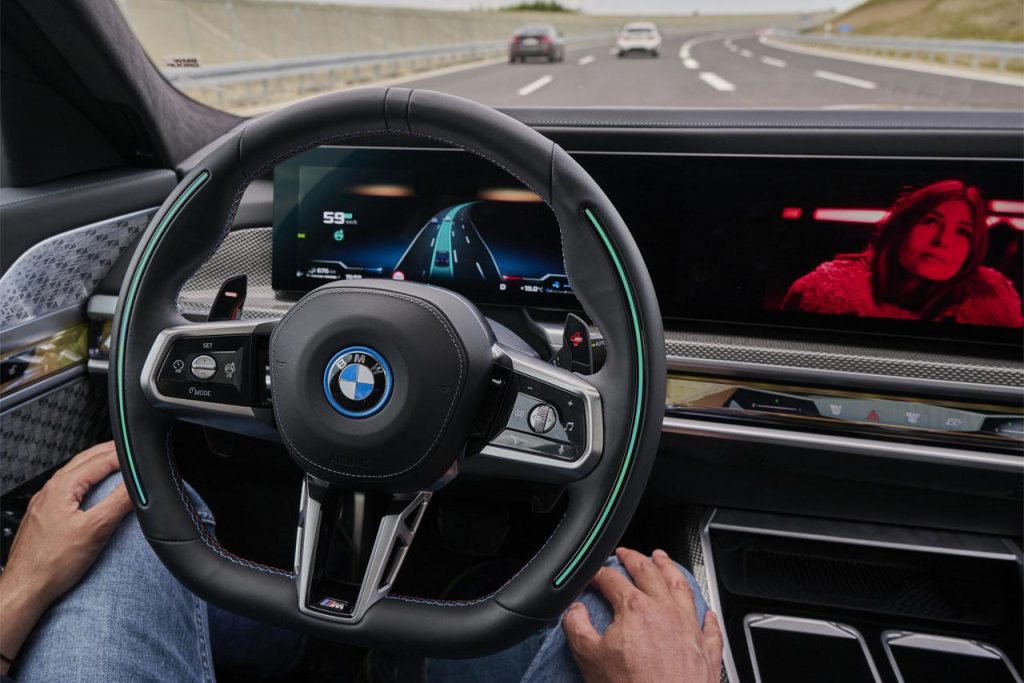
Production systems pulled despite customer deployment
Mercedes first activated Drive Pilot on S-Class and EQS models sold in Germany. The system operated on approved highway sections at speeds up to 60 km/h. BMW followed with Traffic Jam Assistant technology on 7 Series vehicles. That system functioned in congested traffic below 60 km/h on divided highways. Both manufacturers now redirect engineering resources toward alternative autonomous technologies. Chinese manufacturers continue expanding European operations while German brands reassess automation strategies.
Chinese rivals accelerate while Germans retreat
The German withdrawal contrasts sharply with Chinese manufacturer progress on autonomous systems. BYD plans Level-3 deployment across 15 models by late 2025. Geely subsidiary Zeekr already offers hands-off driving in 12 Chinese cities. Zeekr's European expansion includes plans to bring advanced driver assistance to European markets. Meanwhile, BMW and Mercedes cite regulatory complexity and liability concerns for their Level-3 abandonment. The reversal hands Chinese manufacturers a potential advantage in autonomous vehicle development races.
Regulatory hurdles cited in internal assessments
Internal BMW documents reference 'insurmountable liability frameworks' across multiple European jurisdictions. Mercedes technical reports highlight conflicts between German federal approval and EU-wide type certification requirements. The UN Economic Commission for Europe approved Level-3 systems through WP.29 regulations in 2021. However, individual member state implementation varies significantly. France permits Level-3 operation on 8,000 km of highways. Italy restricts the technology to test vehicles only. Belgium has not approved any Level-3 systems for public road use.
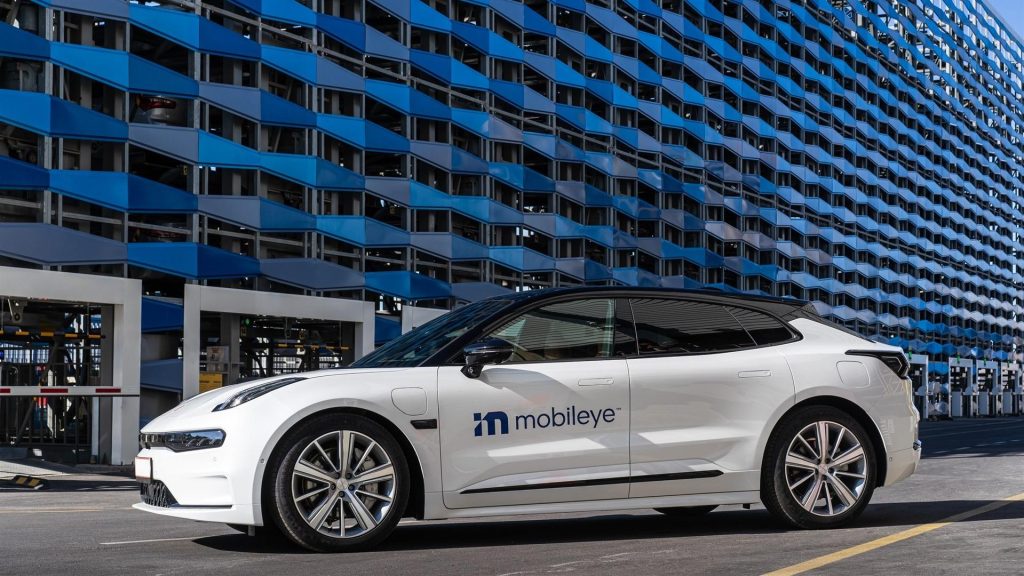
Supplier ecosystem faces development pivot
Bosch announced workforce reductions affecting 1,200 engineers previously assigned to Level-3 sensor development. Continental redirected €400 million in Level-3 investments toward Level-2+ systems instead. ZF Friedrichshafen cancelled contracts for Level-3 computing hardware scheduled for 2026 vehicle programs. The supplier retreat affects components including lidar sensors, high-definition mapping systems, and redundant steering mechanisms. European industrial policy responses may reshape automotive technology development priorities across the continent.
Industry analysts estimate the combined BMW and Mercedes Level-3 development costs exceeded €2.8 billion between 2019 and 2024. Audi previously abandoned Level-3 development in 2020 after spending €1.5 billion on Traffic Jam Pilot technology. The complete BMW model history and specifications are catalogued in the Global Auto Index manufacturer database.
