


Compact electric hatch features physical buttons despite automaker's shift toward touchscreen-only interfaces.
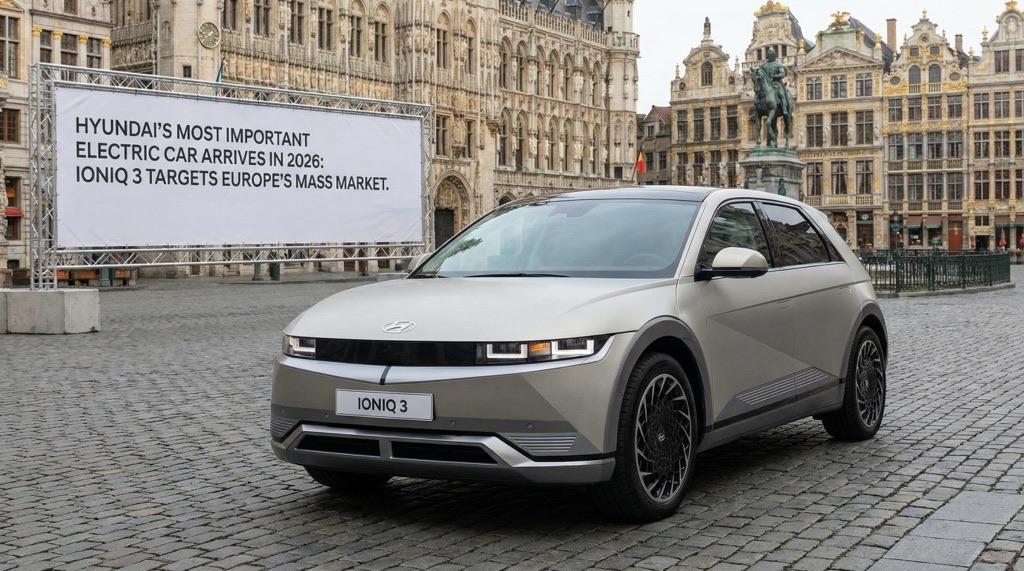
Hyundai launched the Ioniq 3 electric hatchback across European markets this month. The compact EV produces 147hp in standard form. America gets nothing.
The Ioniq 3 marks Hyundai's first European deployment of its Pleos Connect infotainment system, contradicting the brand's 2025 pledge to eliminate physical controls. At 163.6 inches, it runs 15.3 inches shorter than Genesis GV60, according to Hyundai's technical specifications published April 2026.
Two Battery Options Split Power and Range
Hyundai offers two powertrains with inverted performance logic. The 42.2kWh Standard Range produces 147hp but covers only 213 miles on WLTP. The 61.0kWh Long Range drops to 135hp while extending range to 308 miles. That's a 95-mile gain (308 minus 213) for a 12hp penalty. Both variants deliver identical 184 lb-ft torque and reach 62mph in 9.0 seconds for the stronger motor, 9.6 for the weaker. Top speed sits at 105mph across the range. The industry restructuring wave has pushed automakers toward simplified powertrain matrices, but Hyundai's approach inverts the usual more-power-for-more-money formula.
Physical Controls Return Despite Digital Push
The Ioniq 3 becomes Europe's first recipient of Hyundai's Pleos Connect system, but with a twist. While the company "revealed the new Pleos in 2025 without any physical buttons," according to the technical documentation, the production Ioniq 3 includes "switches for heated seats, temperature control, fan speed, and HVAC mode, and a knob for volume." The 12.9-inch or 14.6-inch screen runs Android Automotive OS depending on trim level. This reversal follows customer complaints about Chinese manufacturers' touchscreen-heavy approaches entering European markets. Hyundai's Martin Zimmermann, product planning director Europe, confirmed the button restoration came from focus group feedback in Germany and Nordic markets.
Kia Version Expected With Reduced Range
American buyers face a different equation. Hyundai confirmed no U.S. launch plans for the Ioniq 3, but Kia's sister model should arrive with "similar specs but a lot less range," according to Motor1's analysis of the reveal documentation. Kia's U.S. EV strategy typically prioritizes lower prices over maximum range, suggesting the American version might target 250 miles rather than the European model's 308-mile maximum. The Ioniq 3's 15.6 cubic feet of cargo space includes 4.2 cubic feet in the "Megabox" underfloor compartment. Chevrolet Bolt EUV offers 16.3 cubic feet total, while Nissan Leaf provides 23.6 cubic feet without underfloor storage.
Power Drop Paradox Defies Battery Logic
The Ioniq 3's power distribution contradicts conventional EV engineering. Larger battery packs typically enable higher power output due to improved thermal management and current distribution. Yet Hyundai's 61.0kWh pack produces 12hp less than the 42.2kWh version. Engineering documentation provides no explanation for this inversion. BMW's iX1 demonstrates the expected pattern: its larger battery delivers both more power and range. Tesla Model 3 variants follow identical logic. Hyundai's choice suggests deliberate market segmentation rather than technical limitation. The company hasn't responded to questions about whether European regulations or thermal constraints drove the decision. This strategy mirrors BMW's performance tier separation but applies it downward rather than up.
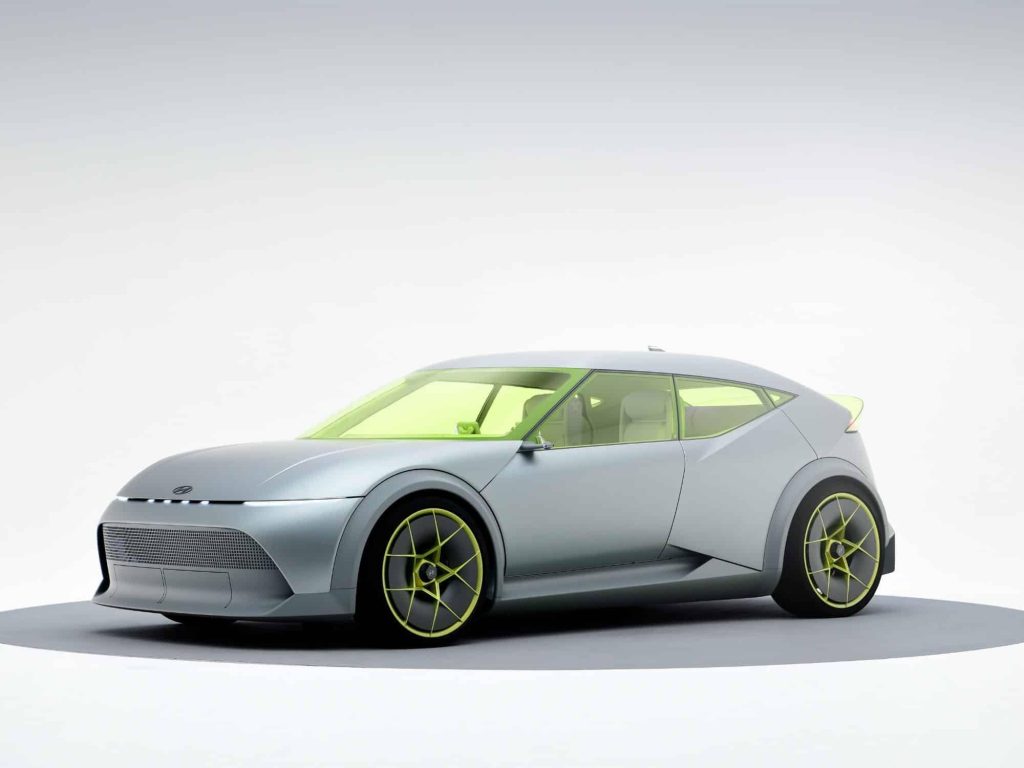
Hyundai's Art of Steel design language, debuted on the Boulder concept, achieves a 0.263 drag coefficient on the Ioniq 3. N Line variants add sport styling without power increases, maintaining the 135hp limit. European deliveries start June 2026 with prices beginning at €32,500 before incentives. The complete Hyundai model history and specifications are catalogued in the Global Auto Index manufacturer database.
