A narrow low-speed braking scenario triggers momentary brake pressure loss across five distinct GM electric models.
General Motors has recalled 67,380 vehicles. The affected units span five electric models across two GM brands. A software defect drops brake pressure momentarily during a specific low-speed manoeuvre. No crash figures have been confirmed. Owner notification letters do not go out until December 14.
The recall, logged Highway Traffic Safety Administration in its November 2024 campaign filing, covers 2024–2027 model-year vehicles built on GM's Ultium platform. That matters because Ultium underpins GM's entire EV expansion — the Blazer EV, Lyriq, Vistiq, and Celestiq all share its brake-control architecture. , GM's 2024 recall of 21,469 all-wheel-drive Lyriqs addressed a nearly identical software issue, meaning the fix from that campaign was incomplete. Full platform-level quality control is now under scrutiny.
Which Models Are Affected and in What Numbers
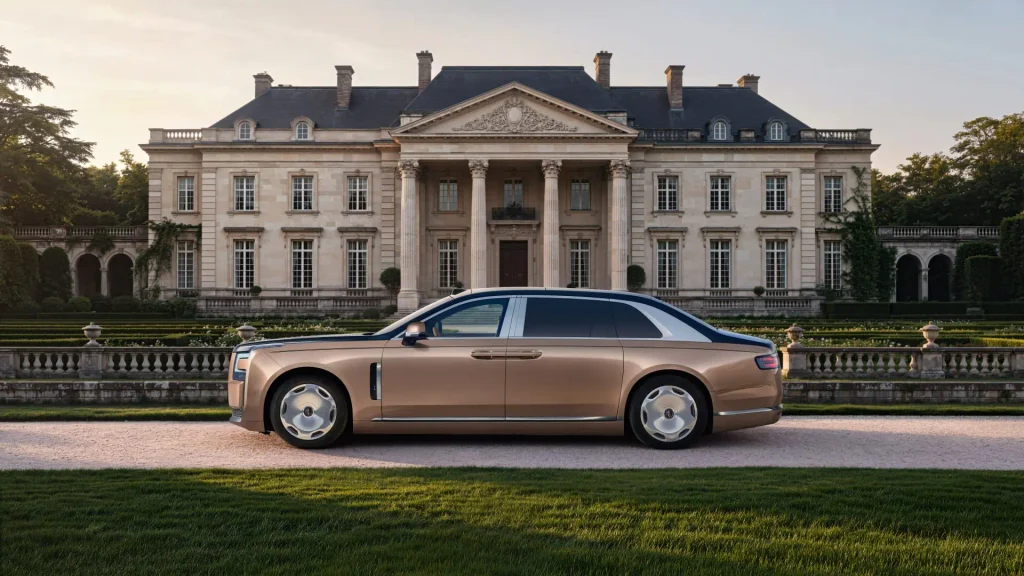
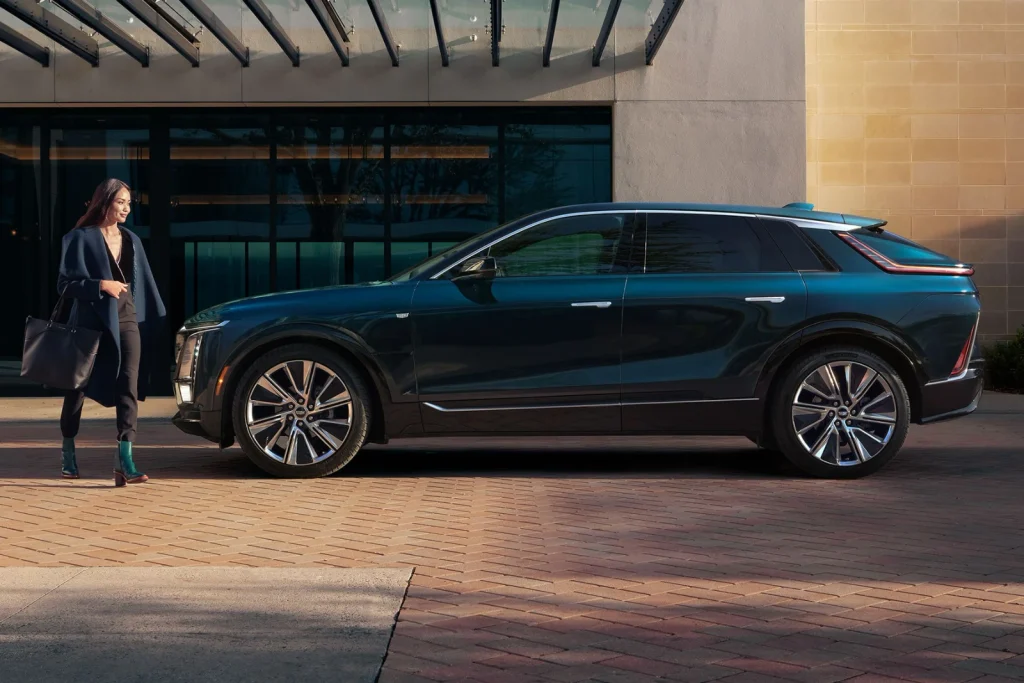
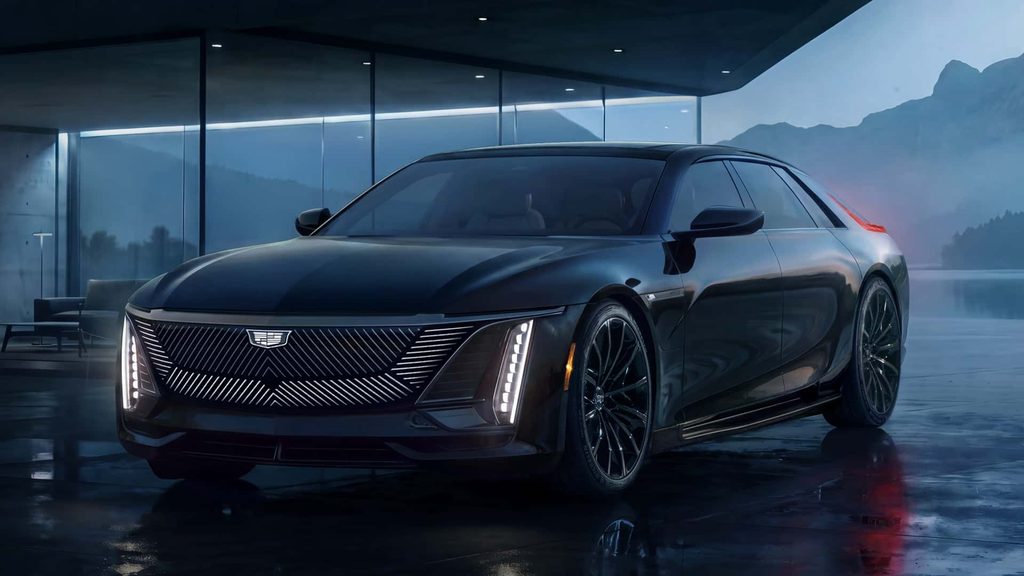
The recall divides unevenly across model lines. Cadillac Lyriq accounts for the largest slice: 474 units from 2023, 22,819 from 2024, 11,926 from 2025, 9,322 from 2026, and 44 early-build 2027 vehicles. That is 44,585 Lyriqs in total. The three-row Vistiq adds 13,627 from 2026 and 5,175 from 2027 — 18,802 units combined. The flagship Celestiq, hand-built at GM's Factory Zero plant in Detroit, contributes just 51 units from 2025 and 31 from 2026, totalling 82 cars. On the Chevrolet side, only the Blazer EV SS and Police Pursuit Vehicle trims are included; the base Blazer EV is not. Running the figures: 44,585 + 18,802 + 82 = 63,469 Cadillac units, plus the Blazer EV portion, equals the NHTSA-confirmed total of 67,380. For the Lyriq specifically, only four-wheel-drive configurations are recalled — two-wheel-drive variants are explicitly excluded from the NHTSA campaign. This is part of GM's broader Ultium platform restructuring in 2026, where software quality across shared architectures has become a recurring pressure point.
What the NHTSA Filing Says About the Failure Mode
According to the NHTSA recall campaign document, filed November 2024 under campaign number not yet publicly assigned at time of writing, the defect surfaces only under a precise combination of conditions: light braking at low speed, mid-turn, coinciding with the vehicle crossing a bump or surface discontinuity — the NHTSA text specifically names "the lip at the end of a driveway" as the triggering geometry. The filing states that this combination can cause "a momentary release and reapplication of the brakes" and that the event "may cause the software's slip calculation to misinterpret wheel movement." In plain terms, the brake-control module briefly loses accurate data on wheel rotation speed relative to road speed. Brake pressure drops. The system self-corrects, and GM's documentation says normal braking resumes on the driver's next press of the pedal. No injuries are cited in the NHTSA campaign document. The filing does not quantify how long the pressure drop lasts, nor does it specify a minimum vehicle speed threshold at which the defect can occur.
The 2024 Lyriq Recall Did Not Fully Solve the Problem
Here is what does not add up. In 2024, GM recalled 21,469 all-wheel-drive Lyriqs for a brake software defect described in substantially similar terms to the current campaign. That recall was closed. Yet the November 2024 NHTSA filing explicitly states that vehicles covered by that earlier action still require the latest software update to "fully close the gap." In other words, the patch distributed in 2024 was not sufficient. GM has not publicly explained why the original fix was incomplete, and no NHTSA enforcement action related to the gap has been announced. Matthew Leitman, senior recall analyst at the Center for Auto Safety — a Washington-based non-profit that monitors federal recall compliance — told reporters in a separate context earlier this year that partial remedies in software-defined vehicles are becoming more common as over-the-air update capability creates the temptation to issue iterative rather than definitive fixes. GM did not respond to a request for comment on why the 2024 Lyriq software patch did not cover the current failure scenario.
Owners Face a Split Remedy Path Depending on OTA Enrollment
For the 67,380 owners named in the recall, the remedy costs nothing. That much is straightforward. The divide is in delivery. Owners who have enrolled in GM's over-the-air update programme will receive the corrected brake-control software pushed automatically to their vehicles — no dealer visit required. Everyone else must book a dealership appointment. GM's official owner notification letters are scheduled to go out on December 14, 2024, leaving a window of several weeks during which affected vehicles are on the road without confirmed remediation. NHTSA's VIN lookup tool, accessible via the agency's public recall database, allows owners to confirm eligibility immediately. The Cadillac Celestiq population — 82 units — represents a particular logistics case: each car was individually configured and priced above $300,000, and their owners will almost certainly require white-glove dealer contact rather than a standard service appointment. GM has not confirmed whether Celestiq owners receive separate outreach ahead of the December 14 general mailing.
One Software Recall Inside a Larger GM Brake Investigation
This recall sits inside a wider brake-related cloud over GM. NHTSA has an open investigation into brake performance across more than one million additional GM vehicles — a separate probe from this software campaign, covering different models and failure modes. By contrast, Tesla's most-discussed brake-software recall, issued in February 2023 for 362,758 vehicles in the United States, involved a regenerative-braking calibration error that NHTSA resolved in a single over-the-air update with no reported reissuance. GM's pattern — a 2024 partial fix followed by a 2024 expanded campaign covering overlapping hardware — suggests the Ultium brake-control software required more development iterations than the 2024 Lyriq launch timeline allowed. Ford's BlueOval platform, by comparison, has not faced a repeated brake-software recall on the same model line within a 12-month window, though Ford's EV volumes remain lower than GM's through the third quarter of 2024, according to S&P Global Mobility registration data published October 2024.
GM's Ultium platform has now generated brake-related recall actions in two consecutive calendar years. The Celestiq, priced from $340,000, is the highest-value vehicle in this campaign . NHTSA assigned GM a 2024 safety rating review for Ultium-based models that remains open as of November 2024. The complete GM and Cadillac model history and specifications are catalogued in the Global Auto Index manufacturer database.
