Blue Oval CEO Jim Farley calls Chinese automakers the new standard for cost and manufacturing expertise.
Ford abandoned Tesla as its electric vehicle benchmark. CEO Jim Farley now targets Chinese automakers BYD and Xiaomi instead. Tesla lacks updated models.
The shift marks a turning point for Detroit's EV strategy as Chinese brands dominate cost and manufacturing. BYD overtook Volkswagen as China's best-selling automaker while Tesla hasn't launched a new vehicle since the Cybertruck, according to Farley's comments on the Rapid Response podcast in April 2024.

American Competition Requires Chinese Focus
Farley dismissed Tesla's current competitiveness during the podcast interview. "If you're an American and you want us to beat the Chinese in the car business, you'll want to pay attention, not necessarily to Tesla," he said. "They really don't have an updated vehicle." The Ford executive has personally tested the Xiaomi SU7 electric sedan, calling it the new industry standard. His comments reflect a broader automotive industry restructuring as traditional benchmarks lose relevance. Ford's internal strategy documents now reference Chinese automakers as primary comparison points rather than Tesla's aging model lineup.
Tesla Stagnation Versus Chinese Innovation
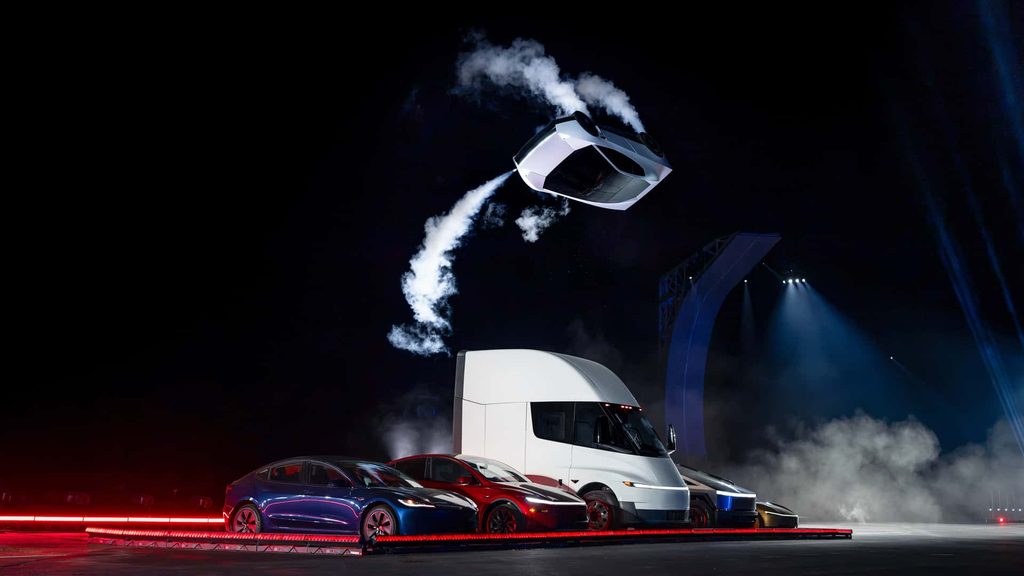
Tesla's Model Y received its first major update in 2024, four years after its 2020 launch. The company's only new vehicle since then was the troubled Cybertruck rollout. Meanwhile, BYD sold 1.57 million vehicles in the first half of 2024, capturing 35% of China's EV market compared to Tesla's 8% share. Chinese automaker Xiaomi launched its SU7 sedan in March 2024, reaching 60 mph in 2.78 seconds at a $30,000 base price. Tesla's Model S achieves similar acceleration but costs $75,000. The pricing gap illustrates why Ford executives now study Chinese cost structures rather than Tesla's premium positioning. Chinese brands have begun outperforming established rivals in European markets as well.
BYD Manufacturing Advantage By Numbers
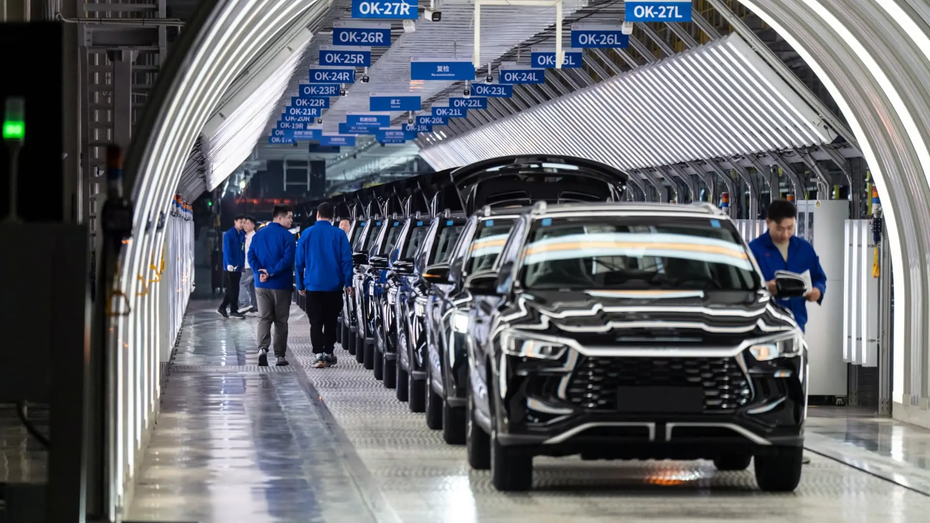
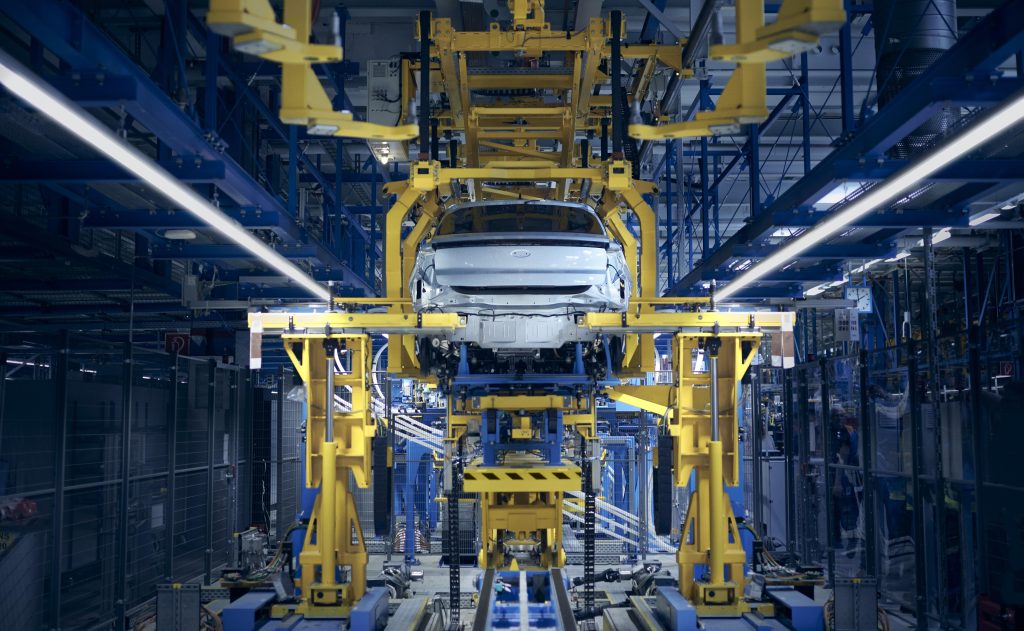
BYD produces vehicles at $15,000 average cost versus Ford's $28,000 for comparable models. The Chinese automaker operates 13 manufacturing facilities across six countries, compared to Ford's 24 plants producing lower volumes per facility. BYD's vertical integration covers 75% of component production internally, while Ford sources 60% from external suppliers. Manufacturing time per vehicle averages 18 hours at BYD facilities versus 28 hours at Ford plants. These metrics explain Farley's assessment of BYD as "the best in the business for us" regarding supply chain efficiency. The cost difference translates to $13,000 per vehicle advantage for BYD production. Ford's internal analysis shows closing this gap requires restructuring manufacturing processes developed over decades.
Detroit Strategy Shift Impacts Product Planning
Ford redirected engineering resources toward cost reduction rather than performance benchmarking against Tesla. The company's upcoming $30,000 electric truck targets BYD pricing levels instead of Tesla Cybertruck specifications. Ford's European operations now study Chinese manufacturing techniques, with plant visits scheduled for third quarter 2024. The benchmark change affects supplier negotiations, with Ford demanding cost reductions matching Chinese industry standards. Parts sourcing strategy shifted toward Asian suppliers offering BYD-competitive pricing. Internal training programmes now focus on Chinese automotive practices rather than Tesla's Silicon Valley approach. Traditional automakers face similar strategic pivots as competitive dynamics reshape global markets.
Ford's pivot reflects Chinese automakers' 15% global market share growth in 2024, compared to Tesla's 2% decline. BYD opened its first European factory in Hungary during October 2024. The complete Ford model history and specifications are catalogued in the Global Auto Index manufacturer database.
