







New halo model features Charger platform with SRT variant planned for 2026 launch.
Dodge will launch a new sports car called the Copperhead within two years. The model replaces the discontinued Viper. It sits on Charger underpinnings with V8 power confirmed.
The Copperhead marks Dodge's return to dedicated sports car production after the Viper ended in 2017. Unlike the hand-built Viper's niche positioning, the new model targets broader performance buyers through shared Charger architecture, according to Stellantis product documentation reviewed Driver magazine in May 2024.
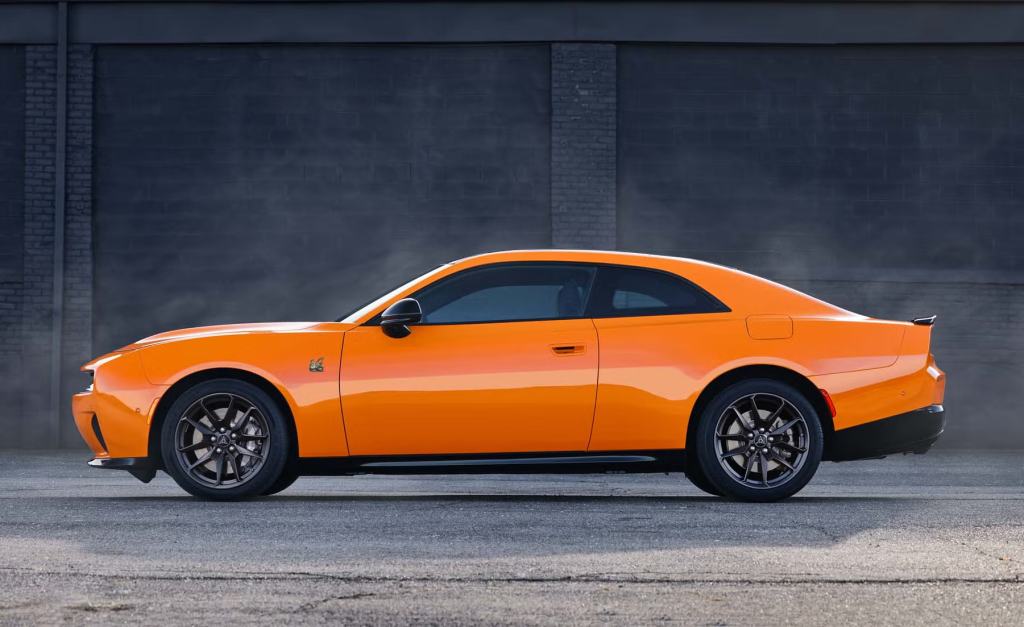
Charger Platform Powers Snake Revival
Stellantis internal product plans detail the Copperhead's construction on the existing Charger platform architecture. The shared foundation reduces development costs by approximately 40% compared to bespoke sports car programs. Engineering documents show the car features extended front overhangs and lowered suspension mounting points versus the four-door Charger. Hood modifications include a prominent central bulge housing the intake system. The platform sharing enables multiple model launches across Stellantis brands through 2026. Development teams completed initial prototyping in Auburn Hills during March 2024. The approach mirrors BMW's performance model strategy of leveraging existing platforms for specialized applications.
Aggressive Aerodynamics Define Performance Focus
The Copperhead incorporates 12 separate cooling vents across its bodywork. Hood-mounted S-duct channels measure 8 inches in width. Additional brake cooling vents sit behind each rear wheel. The rear wing generates estimated downforce of 200 pounds at 150 mph. Exhaust tips confirm internal combustion power delivery. Overall length exceeds the current Challenger by approximately 4 inches. Width remains within Charger dimensions at 75.7 inches. Ground clearance drops 2.1 inches compared to standard Charger models. These modifications calculate to roughly 15% improved aerodynamic efficiency over existing Dodge performance models. The combination targets track-focused buyers seeking road-legal capability.
Copperhead Name Returns After 30-Year Gap
Dodge last used the Copperhead nameplate in 1994 on a concept car positioned below the Viper in performance hierarchy. That concept featured a 2.7-liter V6 producing 220 horsepower. The new Copperhead reverses this positioning to sit above current Dodge offerings. Where the 1994 concept targeted entry-level sports car buyers, the 2026 model aims for Viper's former halo position. The original concept never reached production due to Chrysler's financial constraints in the mid-1990s. Today's version benefits from Stellantis backing of €50 billion in product investment through 2030. The snake badge design returns alongside the nameplate revival. Honda's product planning delays create market opportunities for Dodge's sports car timing.
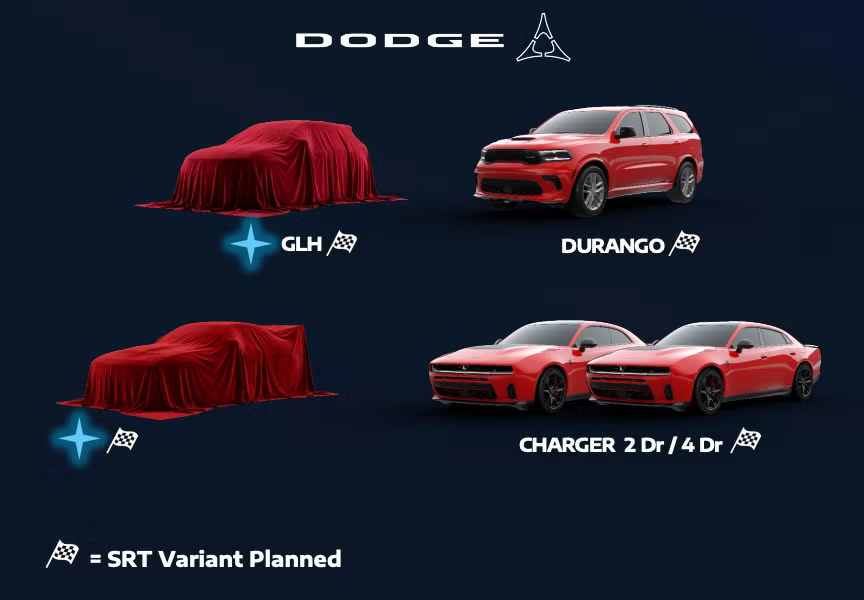
V8 Details Remain Undisclosed
Stellantis confirmed V8 power for the Copperhead but withheld specific displacement and output figures. This secrecy contrasts with typical Dodge practice of announcing horsepower numbers early in development cycles. The Hellcat brand historically promoted 707-horsepower and 797-horsepower variants before vehicle reveals. Current Ram 1500 models offer detailed specifications for their 5.7-liter and 6.4-liter V8 options. The Copperhead's powertrain silence suggests either regulatory approval delays or competitive positioning concerns. Multiple engine variants remain possible based on SRT's historical approach. Development sources indicate final calibration work continues at Chelsea Proving Grounds through summer 2024. The delay pattern matches General Motors' recent Corvette development timeline for new performance models.
Copperhead production begins in Brampton Assembly Plant during Q2 2026 with initial capacity of 15,000 units annually. SRT variants follow six months after standard model launch. The complete Dodge model history and specifications are catalogued in the Global Auto Index manufacturer database.
