



GM's compact crossover uses 1.2-litre three-cylinder mild-hybrid powertrain exclusively for South America.
General Motors Brazil unveiled the 2026 Chevrolet Sonic as a compact SUV. The crossover replaces the discontinued hatchback. U.S. sales won't happen.
The move reflects GM's regional product strategies as automakers tailor offerings to local demand. Brazil's subcompact SUV segment outsells sedans 3:1, unlike North America where Honda faces product drought challenges, according to GM Brazil's April 2024 product announcement.
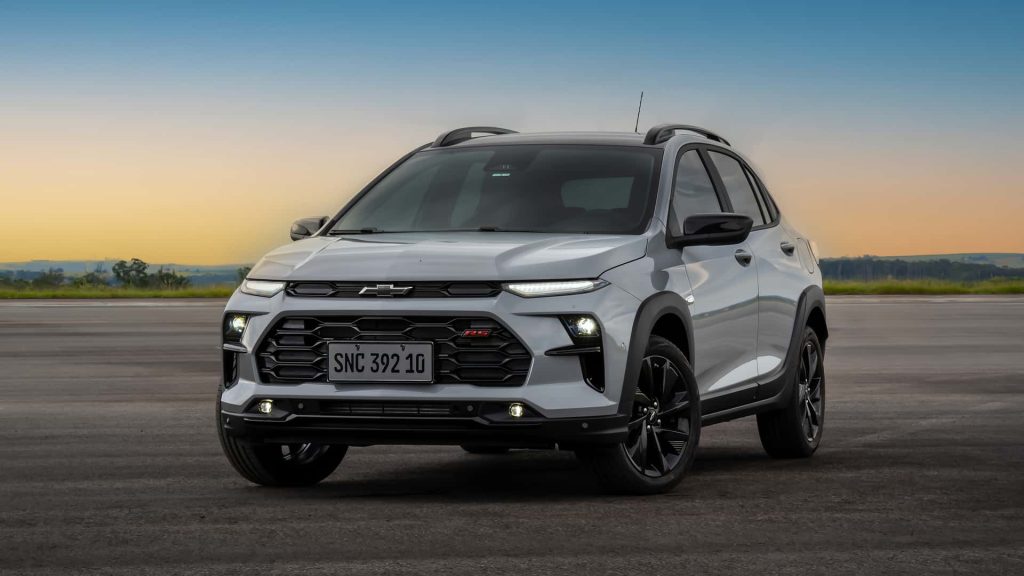
Crossover Design Targets Local Preferences
GM positioned the Sonic between existing Onix Activ and Tracker models in Brazil's lineup. The company shaped the crossover as an "SUV coupe" with sloping rooflines that mirror Equinox and Trax styling cues. Engineers designed the vehicle specifically for South American road conditions and fuel preferences. The Sonic launches into Brazil's fastest-growing vehicle segment, where compact SUVs captured 31% of total sales in 2023. GM expects the model to attract younger buyers who abandoned sedan purchases. The automaker discontinued the previous Sonic hatchback and sedan globally in 2020 after eight-year production run.
Mild-Hybrid System Powers Flex-Fuel Setup
The 2026 Sonic employs a 1.2-litre three-cylinder engine paired with 48-volt mild-hybrid architecture. This powertrain already serves Tracker and Montana models across South America. GM's flex-fuel system runs on gasoline, ethanol, or any mixture ratio between 0% and 85% ethanol content. The hybrid setup adds approximately 15hp during acceleration phases while reducing fuel consumption by 8-12% in urban driving cycles. Brazilian fuel costs average R$5.89 per litre for gasoline versus R$4.12 for ethanol as of March 2024. The system's 48-volt battery weighs 12kg and mounts beneath rear seats. Total vehicle weight targets 1,385kg compared to 1,180kg for the previous-generation Sonic sedan.
Regional Strategy Excludes North American Markets
GM eliminated the Sonic from U.S. dealerships in 2020 while maintaining production in Mexico until 2023. The Brazilian market demands different specifications than North America, where buyers prefer larger crossovers and pickup trucks. Chevrolet's recent C8 Corvette halt demonstrates how regional compliance varies. Brazil's PROCONVE L7 emissions standards allow higher NOx limits than EPA regulations, enabling the flex-fuel hybrid configuration. U.S. Trax starts at $22,995 while Brazilian vehicle taxes would push Sonic pricing above R$95,000 locally. The company discontinued Sonic U.S. sales after 267,000 total deliveries versus 89,000 annual units across Latin America in 2019.
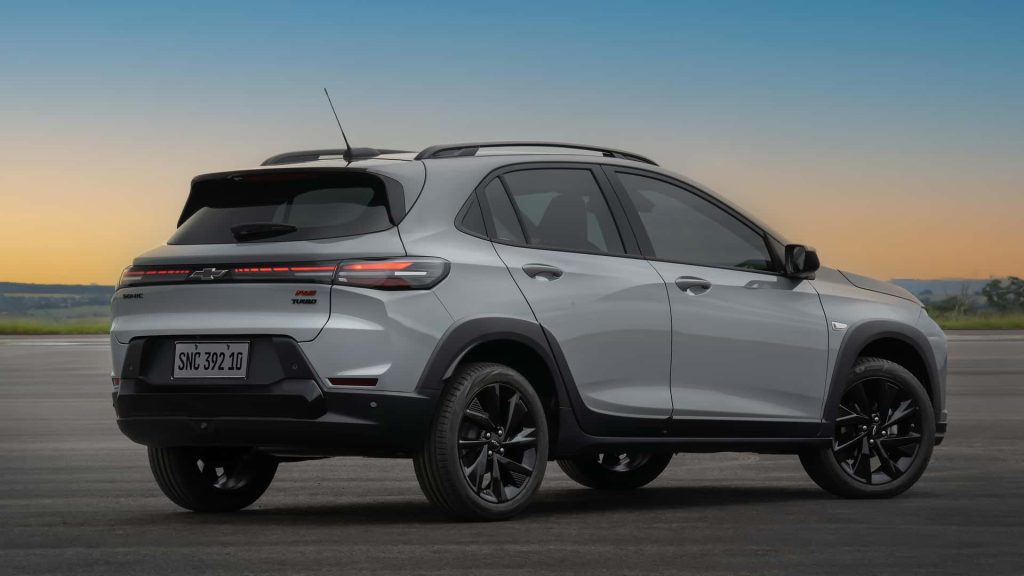
Market Position Challenges Chinese Competition
The Sonic enters Brazil as Chinese automakers expand South American presence through local assembly. Changan's rejection of shared European production reflects similar regional manufacturing strategies affecting Brazil. BYD opened its Bahia facility in March 2024, targeting 150,000 annual units by 2026. Great Wall Motors announced R$1.8 billion investment for pickup and SUV production starting 2025. GM's Sonic pricing must compete against these lower-cost alternatives while maintaining dealer network advantages. The automaker operates five manufacturing sites across Brazil, employing 14,800 workers as of December 2023. Industry restructuring patterns show established manufacturers defending home markets through localized product development rather than global platform sharing.
GM sold 89,847 Sonic units in Brazil during the nameplate's final year, 2019, before discontinuation. The new crossover targets 45,000 annual sales by 2027. Production begins at São Caetano do Sul plant in October 2025. The complete Chevrolet model history and specifications are catalogued in the Global Auto Index manufacturer database.
