







University of Salford research shows pedestrians gain 22 metres extra reaction time with frequency-specific bicycle bell.
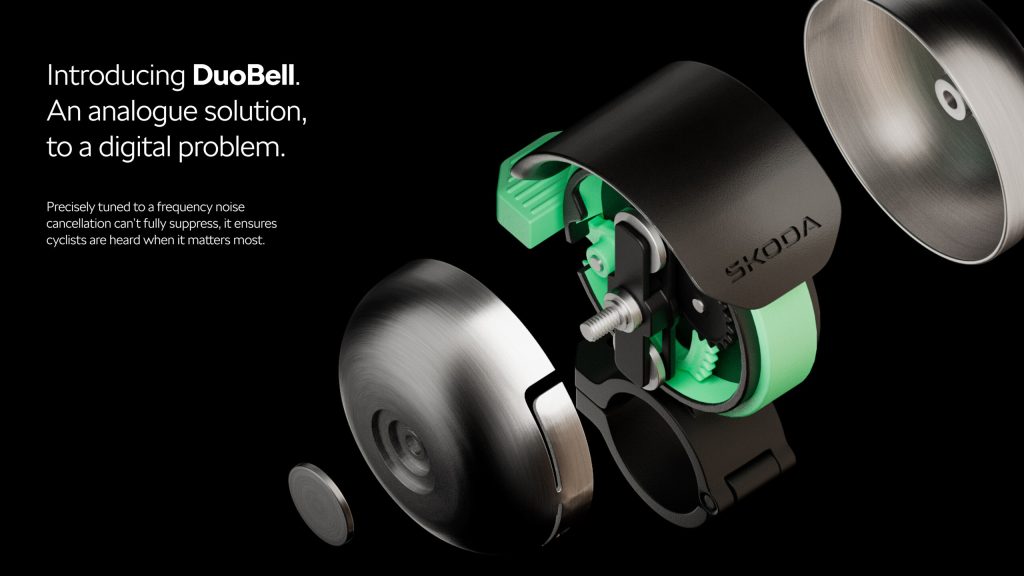
Skoda developed a bicycle bell that bypasses active noise cancellation in headphones. The DuoBell prototype targets a narrow frequency gap between 750 and 780Hz. Tests showed 22 metres of extra warning distance. London collision data drove the research.
The prototype addresses rising cyclist-pedestrian incidents as ANC headphone adoption spreads through urban areas. In London, half of pedestrians now wear noise-cancelling headphones, while cyclist-pedestrian collisions jumped 24 percent in 2024 according to Transport for London data published this year. The Czech automaker worked with University of Salford researchers to find acoustic solutions rather than simply increasing volume.
Frequency Gap Analysis
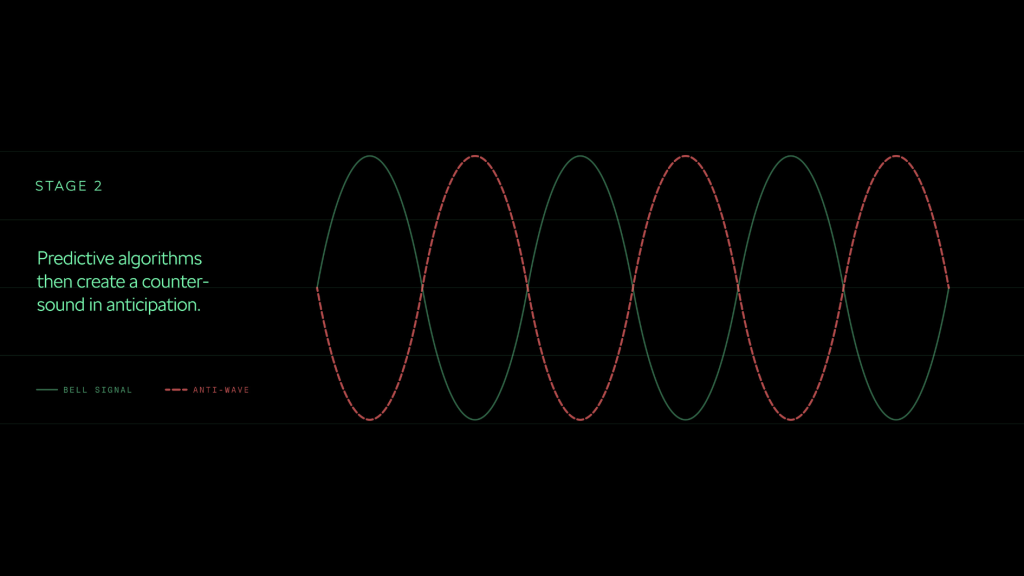
Researchers identified a narrow acoustic window where ANC algorithms struggle to suppress incoming sound effectively. The gap sits between 750 and 780Hz. Just 30Hz wide. Most active noise cancellation systems process lower and higher frequencies more efficiently, creating this vulnerability. The DuoBell exploits this gap through dual resonators and irregular hammer strikes that confuse digital suppression algorithms. Standard bicycle bells typically operate around 3,000Hz, well within ANC suppression ranges that can reduce audibility by up to 90 percent in urban environments.
Field Testing Results
Deliveroo riders tested the prototype bells during London delivery runs across multiple boroughs. The couriers reported wanting to keep the devices after trial periods ended. Testing measured pedestrian reaction distances on busy cycle routes including the Thames Path and Regent's Canal towpath. Conventional bells gave pedestrians wearing Sony WH-1000XM5 or Bose QuietComfort headphones roughly 8 metres of warning time at 15mph approach speeds. DuoBell extended that to 30 metres. The difference matters most in narrow spaces where evasive maneuvers require advance planning.
Design Integration
The prototype follows Skoda's Modern Solid design language used across the current vehicle range. Materials and finishes match interior trim found in the Octavia and Superb models. However, the bell remains mechanical rather than electronic, using acoustic physics to achieve frequency targeting. No batteries required. This contrasts with electronic solutions like smartphone apps or Bluetooth warning systems that need power and pairing. The irregular strike pattern prevents ANC systems from learning and adapting to suppress the sound over time, unlike consistent electronic tones.
Industry Data Release
Skoda will not manufacture the DuoBell for public sale but plans to share acoustic research data with bicycle component manufacturers. The company has documented the precise frequency targeting methodology and strike pattern algorithms. Bell manufacturers including Spurcycle, Knog, and Timber could integrate the findings into production models within 18 months. Urban planning departments in Manchester, Bristol, and Birmingham have requested copies of the collision reduction data. The 72-foot reaction distance improvement could influence cycle lane width requirements in future infrastructure projects.
The research methodology applies beyond bicycles to emergency vehicle sirens and construction warning systems in urban environments. Acoustic frequency targeting offers alternatives to volume escalation in crowded soundscapes. The next phase examines motorcycle horn applications. Complete Skoda model specifications and design evolution are catalogued in the Global Auto Index manufacturer database.
