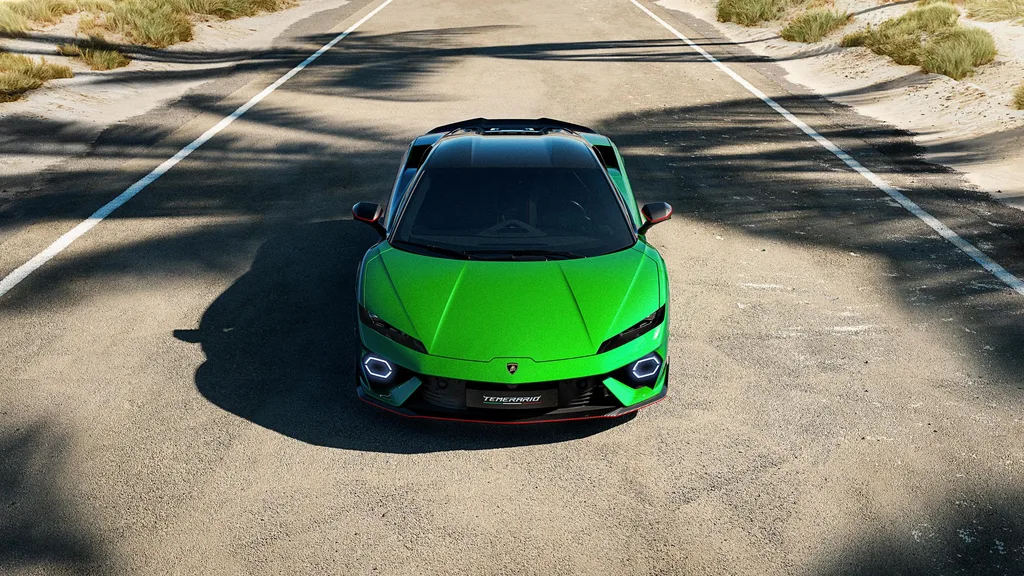

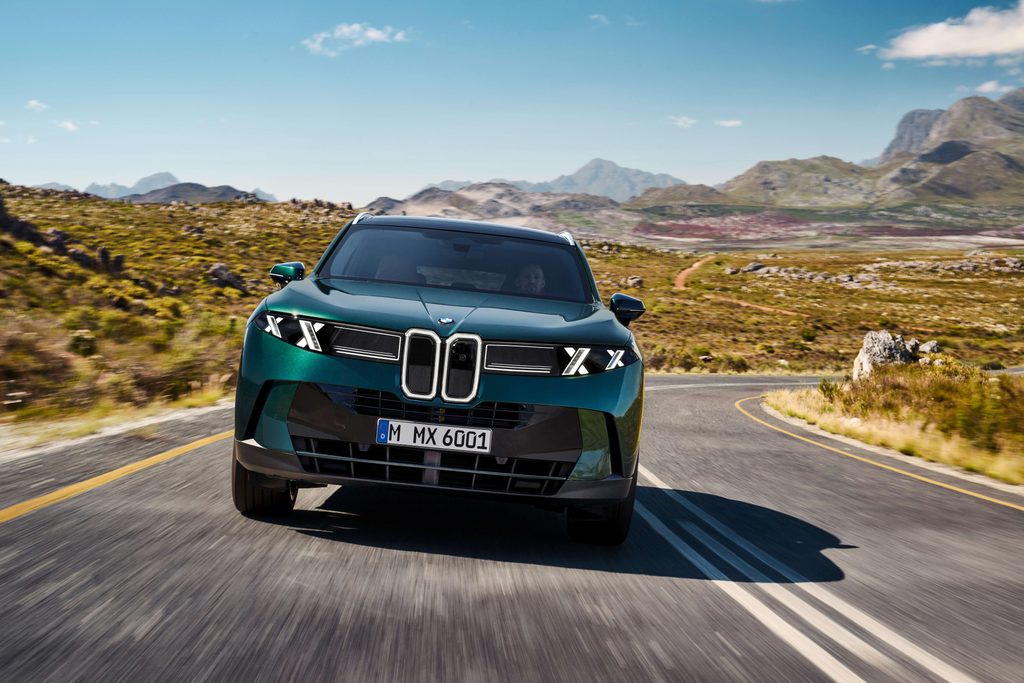

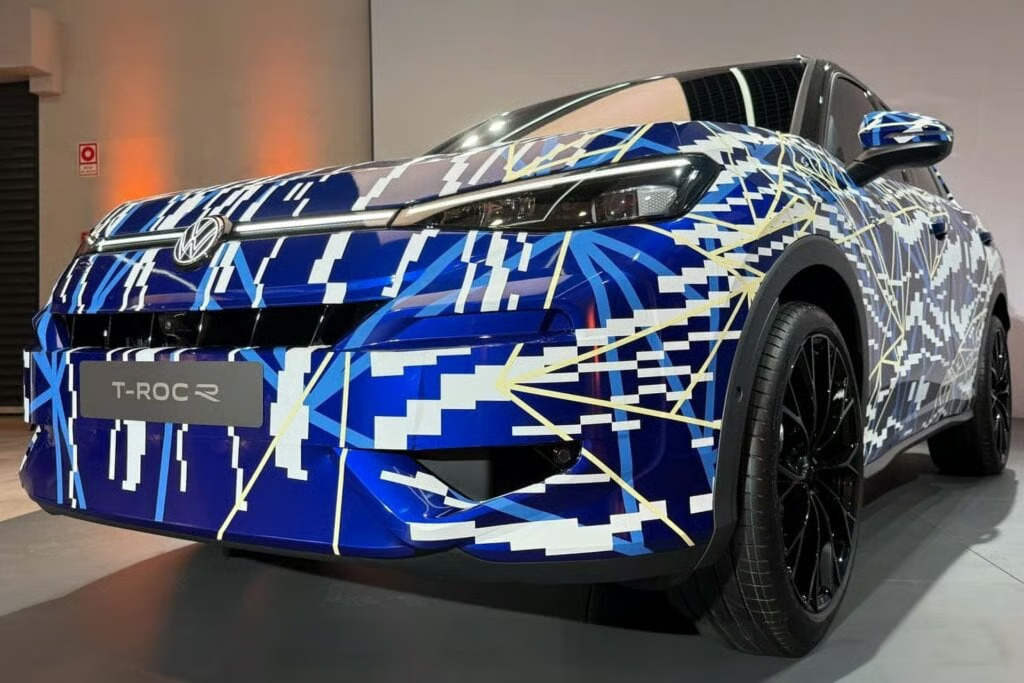
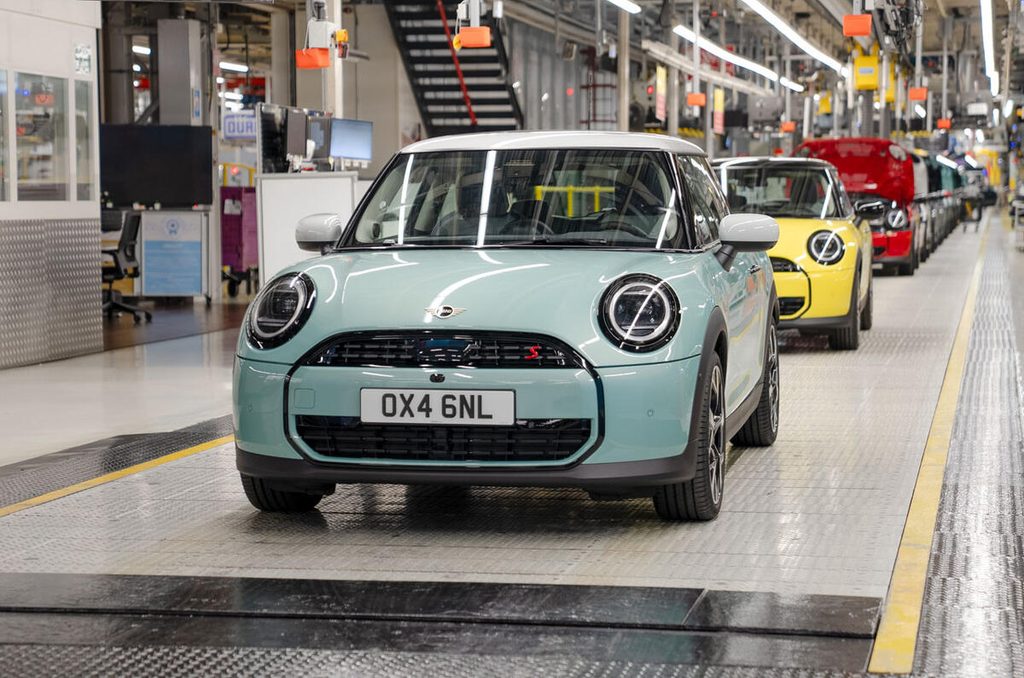

EU type-approval rules mandate supervised-driving readiness before a single buyer requests it.
Nobody ordered this. L2++ supervised driving — where the car steers, brakes, and navigates while the human sits ready to intervene — is coming to European production vehicles anyway. Regulators decided. OEMs committed billions. The market's opinion arrived last.
The gap between what Europeans say they want and what their next car will do is widening fast. A 2024 Eurobarometer survey on road safety found fewer than one in three EU respondents trusted automated driving systems 'a great deal.' Yet according to the European Automobile Manufacturers' Association's regulatory tracker, published February 2025, type-approval rules under UNECE Regulation 157 — covering Automated Lane Keeping Systems — are already in force across 27 member states, with expanded L2++ provisions scheduled for 2026 homologation cycles.

What UNECE Regulation 157 Actually Requires
UNECE Regulation 157, Section 5.1.4, in force since January 2021 and extended in scope by the March 2024 amendment package, sets the floor for Automated Lane Keeping Systems at speeds up to 60 km/h on divided carriageways. The March 2024 amendment — formally adopted by the UN World Forum for Harmonization of Vehicle Regulations at its 191st session — pushes that ceiling toward 130 km/h and introduces mandatory driver monitoring camera specifications for L2++ classification. What that means in practice: any OEM seeking EU type approval for a new passenger-car platform from the 2026 model year onward must engineer its driver-assistance architecture to accommodate L2++ readiness, whether or not that feature is activated at point of sale. The compliance cost sits inside the platform regardless. Stefan Bratzel, director of the Center of Automotive Management in Bergisch Gladbach, told conference attendees in Aachen in October 2024 that this 'regulatory pre-loading' accounts for an estimated €800 to €1,200 per vehicle in hidden development overhead — costs invisible on the window sticker but baked into every transaction. For coverage of related industry restructuring pressures reshaping the 2026 model landscape, see the full topic cluster.
The Investment Numbers That Make a U-Turn Impossible
Four OEM groups have disclosed L2++ or higher autonomy spending in public filings since January 2024. Volkswagen Group: €2.4 billion committed to its autonomous driving unit CARIAD through 2026, per the group's 2023 annual report, page 112. Stellantis: €30 billion earmarked for electrification and software across 2024–2030, with autonomous-driving software listed as a named sub-category in the March 2024 investor day presentation, slide 34. BMW Group: €1.7 billion directed toward the 'Automated Driving' segment in fiscal 2023, per the BMW Group Annual Report 2023, page 89. Renault Group: €600 million in its Ampere software entity, covering L2++ development among other ADAS tiers, confirmed in the Ampere IPO prospectus filing, November 2023. Add those figures: €2.4bn + €1.7bn + €0.6bn = €4.7bn across three European groups alone, before Stellantis's proportional share. At that capitalisation level, the sunk-cost logic is not subtle. Walking back now would require writing down engineering assets before a single production unit recoups them.
The Trust Deficit Nobody in Brussels Is Fixing
Here is the number that sits uncomfortably beside every regulatory mandate and OEM balance sheet: 32 percent. That is the share of EU respondents who said they would feel 'comfortable' in a fully self-driving vehicle, according to the European Commission's Special Eurobarometer 540 on road safety, published May 2024. The figure has not moved materially since Eurobarometer asked the same question in 2020. Four years of ADAS marketing, two generations of highway pilot features, and the number is flat. What no regulator has published — and what no OEM investor deck addresses directly — is a consumer adoption curve showing how L2++ uptake translates into actual engagement rates once the system is sold. Mercedes-Benz activated its Drive Pilot system on the German autobahn in 2022, becoming the first OEM to offer a certified L3 feature commercially. As of the company's Q4 2023 earnings call, Mercedes disclosed that Drive Pilot had logged 'several thousand hours' of autonomous operation across its user base — a figure that, spread across the roughly 7,000 S-Class and EQS units sold in Germany that year, implies average engagement well below one hour per vehicle per month. Mercedes has not published a more granular breakdown.
California Already Ran This Experiment — With Different Rules
Europe's top-down mandate model contrasts sharply with California's permit-and-deploy approach. The California Public Utilities Commission and the California DMV granted Waymo — the Alphabet-owned autonomous vehicle operator — unlimited commercial robotaxi licences in San Francisco in August 2023, then suspended Cruise's permit in October 2023 following an incident on Mission Street involving a pedestrian. Two cities, same regulatory body, opposite outcomes within eight weeks. The European model insulates itself from that volatility by tying L2++ requirements to type approval — a vehicle-level certification — rather than to operational licences that can be revoked service-by-service. That is a structural advantage for OEM planning horizons. It is also why the European rollout will be slower at the consumer-visible level: a car can be L2++ certified and sold without the feature enabled in all markets, waiting for national-level operational rules to follow the vehicle approval. Germany and Sweden have published framework rules for conditional automation on specific road classes. France and Spain had not issued equivalent operational guidance as of May 2025, according to the ACEA regulatory tracker update of that month.
What This Means for Tier-1 Suppliers and Mid-Market Buyers
The mandate-first model reshapes the supply chain before it reshapes the showroom. Mobileye, the Intel-owned ADAS chip and software supplier, disclosed in its Q1 2025 earnings release that European OEM design wins for its SuperVision L2++ platform — the full front-facing camera and radar stack — had reached 11 confirmed models from six OEM groups, with start-of-production dates between 2025 and 2027. Mobileye's SuperVision carries a bill-of-materials cost roughly three to four times higher than a standard L2 ADAS suite, per analyst estimates cited in the Bernstein Research note on ADAS semiconductor demand, published March 2025. For a Volkswagen Golf-sized vehicle at a €28,000 transaction price, absorbing even €900 of that overhead without a retail price increase compresses the contribution margin by approximately 3.2 percentage points — a cut that falls hardest on the C-segment, where margin per unit is thinnest and where European volume lives. The buyers of those cars will not have asked for L2++ capability. They will pay for it regardless. That is not a forecast. It is already in the production plans.
One figure rarely cited in the L2++ debate: the UNECE estimates that ALKS-equipped vehicles could reduce rear-end motorway collisions 44 percent at scale, per the regulatory impact assessment accompanying the 2024 Regulation 157 amendment. That benefit accrues to road networks, not to the individual buyer weighing the option on a configurator. The political economy of safety mandates has always worked this way — but the price point this time is higher than a seatbelt. The complete autonomous vehicle regulatory chronology and OEM specification records are catalogued in the Global Auto Index manufacturer database.
