

New MAKC combustion system with 350-bar injection expands high-efficiency range by 30 percent over previous generation.
Dongfeng's Mach Power 2.0T hybrid engine reached 45.5% thermal efficiency in May testing. CATARC Huacheng certified the results. The turbocharged unit targets hybrid SUVs.
The achievement positions Dongfeng alongside Geely and Chery in China's hybrid efficiency race, where 45% thermal efficiency marks the new benchmark for next-generation SUVs. The certification comes as Chinese manufacturers push combustion technology beyond traditional European and Japanese standards, according to CATARC Huacheng's certification published June 2024.
CATARC Certification Validates Performance Claims
CATARC Huacheng, China's independent automotive testing authority, certified Dongfeng's efficiency claims on May 22, 2024. The organization verifies automaker performance data across thermal efficiency, emissions, and durability testing protocols. Dongfeng submitted the Mach Power 2.0T for validation after internal testing showed consistent 45.5% peak thermal efficiency across multiple test cycles. The certification process required 72 hours of continuous operation under varying load conditions. CATARC's validation carries weight with Chinese regulators who set increasingly strict fuel economy standards for hybrid vehicles. The May certification allows Dongfeng to market the engine's efficiency ratings to fleet buyers and regulatory bodies ahead of production launch.
Engineering Numbers Behind Efficiency Gains
The engine combines 350-bar direct injection pressure with a 1.29 stroke-to-bore ratio for improved combustion control. Compression ratio reaches 13.5:1 while maintaining knock resistance through cooled low-pressure EGR systems. Operating altitude capability extends to 8,202 feet with full performance maintained. Fuel economy improvements range from 3% in city driving to 10% on highway cycles, based on Dongfeng's internal testing data. The variable-displacement oil pump reduces parasitic losses by 8% compared to fixed-displacement units. Diamond-like carbon coatings on pistons and rings cut friction losses by 15%. Combined modifications expand the high-efficiency operating range by 30% versus the previous 2.0T generation. Peak torque delivery occurs between 1,800-4,200 rpm, matching typical hybrid system operation windows.
Chinese Brands Race Past European Efficiency Standards
Dongfeng's 45.5% thermal efficiency exceeds most European hybrid engines, which typically achieve 40-42% peak efficiency. Geely's Volvo partnership has pushed similar efficiency targets through shared powertrain development. Chery's latest hybrid system reaches 44.8% thermal efficiency, while BYD's DM-i technology achieves 43.0% in production vehicles. Toyota's latest Prius hybrid manages 41% thermal efficiency, considered the global benchmark until 2023. Mercedes-Benz's M254 hybrid engine peaks at 42.5% efficiency but uses more complex variable compression technology. The Chinese efficiency push reflects domestic fuel economy regulations requiring 4.0L/100km fleet averages by 2025, stricter than European standards. Dongfeng's achievement suggests Chinese combustion development now leads global hybrid technology advancement.
Production Timeline Targets Hybrid SUV Segment
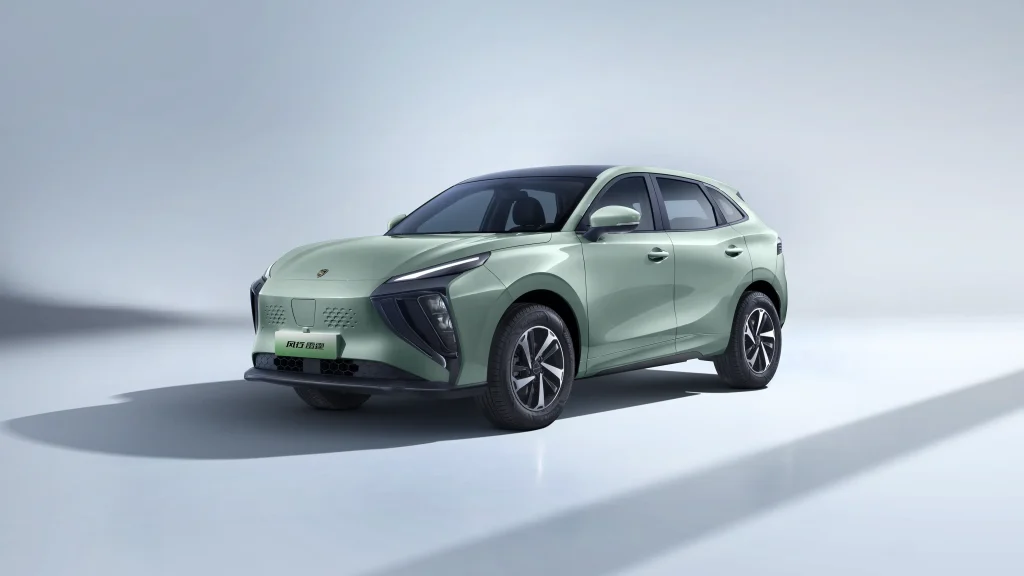
Dongfeng plans production integration across its Voyah and Aeolus SUV lineups starting Q4 2024. The 2.0T hybrid targets vehicles weighing 1,800-2,200kg, competing directly with Toyota Highlander and Honda Pilot hybrid variants in Chinese markets. Manufacturing capacity at Dongfeng's Wuhan facility can handle 200,000 units annually once production ramps fully in 2025. Great Wall's Haval division faces increased competition from Dongfeng's efficiency gains in the premium SUV segment. Export plans include Southeast Asian markets where hybrid technology adoption accelerates due to fuel cost concerns. The engine's high-altitude performance capability specifically addresses markets like Thailand and Indonesia with mountainous driving conditions.
Dongfeng's MAKC combustion system patent filing covers 47 countries, suggesting global licensing potential beyond domestic Chinese production. The company invested ¥2.8 billion in hybrid powertrain research since 2021. Series production begins December 2024. The complete Dongfeng model history and specifications are catalogued in the Global Auto Index manufacturer database.
