







CEO Thomas Schäfer confirms two-year postponement, citing SSP platform development challenges affecting launch timeline.
Volkswagen postponed its electric Golf launch until 2030. The delay extends the combustion model's lifecycle . CEO Thomas Schäfer dismissed 2028 timing as unnecessary.
The postponement reflects broader EV market recalibration as manufacturers adjust to slower adoption rates. Volkswagen's production strategy shifts mirror similar delays at BMW and Honda, with the ID. Golf now dependent on the troubled SSP platform architecture according to Schäfer's statements at the Future of the Car event in London.
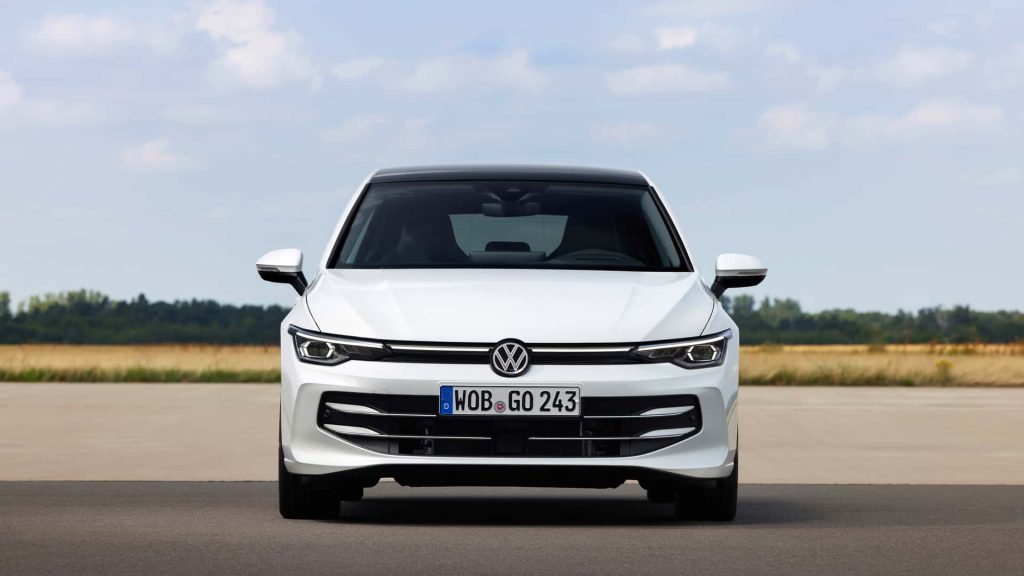
CEO dismisses 2028 launch urgency
Schäfer rejected earlier 2028 timing with blunt assessment: "We do not need an electric Golf in 2028. We are well set with what we have in our portfolio with our vehicles." The statement marks departure from previous launch commitments made during the ID family rollout phase. VW's current lineup includes ID.3 hatchback and ID.4 crossover occupying adjacent segments. The Golf nameplate generates 400,000 annual sales across European markets, making electrification timing commercially sensitive. BMW's accelerated M3 electrification contrasts with Volkswagen's cautious approach to heritage model transitions.
SSP platform delays compound timing issues
The ID. Golf depends on VW Group's Scalable Systems Platform, now delayed 24 months from original schedules. SSP architecture will debut first under Audi and Porsche models before reaching Volkswagen applications. Development costs exceed €7 billion across the platform's 10-year lifecycle. Production capacity targets 40 million vehicles globally using SSP underpinnings. The delay calculation: 2028 minus 24 months equals 2030 earliest launch window. Current MQB platform supporting combustion Golf requires €2.1 billion tooling refresh to extend production through 2029. Kia's EV mandate concerns echo industry-wide timing pressures affecting platform development.
GTI and R variants face extended delays
High-performance Golf variants will arrive years after base ID. Golf launch, pushing GTI successor beyond 2031. Schäfer described the electric GTI as a "monster" but provided no timeline specifics. Current Golf R generates 315hp from 2.0-litre turbo engines, establishing performance benchmarks for electric successors. The delay forces VW to refresh existing GTI and R models twice before electrification, requiring additional emissions compliance investments. Golf R Club Sport editions continue selling 8,000 units annually in Europe, sustaining performance sub-brand revenue during transition. Extended ICE lifecycle creates regulatory risk under tightening EU fleet emissions targets after 2028.
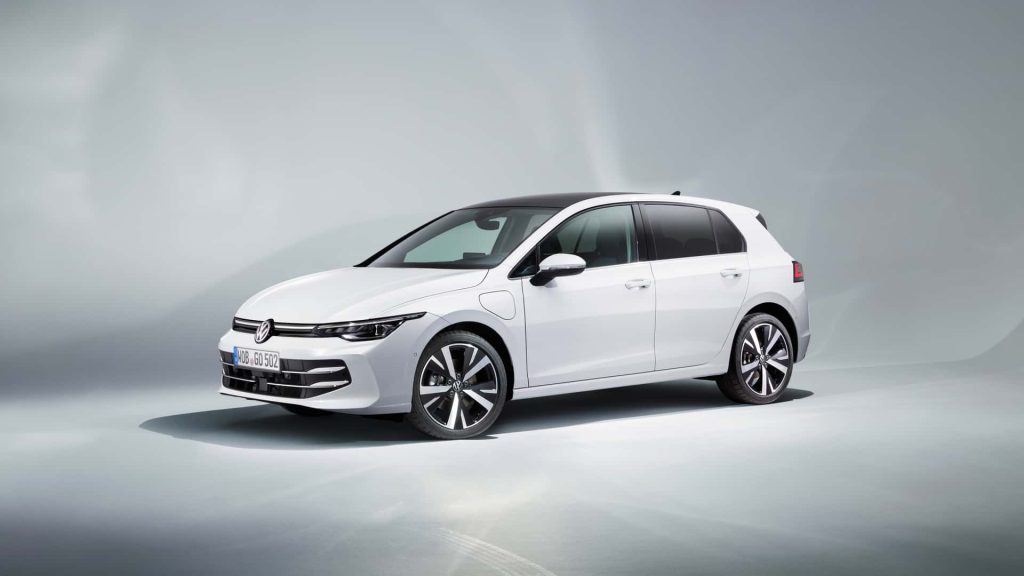
Market conditions justify conservative timing
European EV adoption rates fell to 12.1% in Q1 2024, down from 15.8% year-over-year, supporting VW's delay rationale. Chinese manufacturers' European expansion intensifies competitive pressure on traditional hatchback segments. Tesla Model 3 sales declined 18% in Germany during early 2024, indicating premium EV demand softening. VW's ID.3 achieved 89,000 European sales in 2023 compared to Golf's 285,000 units, highlighting combustion model resilience. The company faces $1.7 billion potential EU fines for missing 2025 fleet emissions targets, making timing decisions financially critical.
The Golf marks VW's 50th anniversary in 2024, with cumulative global sales exceeding 35 million units since 1974 introduction. Heritage model electrification represents the brand's largest commercial gamble since diesel crisis recovery. Current generation Golf production continues at Wolfsburg until 2029 contract expiry. The complete Volkswagen model history and specifications are catalogued in the Global Auto Index manufacturer database.
