Hexagonal logo filing covers electric vehicles, clothing and battery applications six years past original delivery target.
Tesla filed a Roadster trademark on April 28, 2026, featuring hexagonal branding across vehicle and accessory categories. The filing marks the first concrete action on the delayed supercar project in months. Production was promised for 2020.
The trademark application signals potential movement on Tesla's most delayed model programme, which has missed every production target since 2020. Unlike the Model S Plaid's 1,020hp output, the second-generation Roadster was promised with rocket thrusters and 0-60mph acceleration under 1.9 seconds, according to Tesla's 2017 prototype specifications.

Trademark Filing Details Three Separate Applications
Tesla's United States Patent and Trademark Office submission on April 28, 2026 covers an asymmetrical hexagon design with "Roadster" script lettering and stylized bottom extensions. The application spans International Class 12 for electric vehicles, Class 25 for clothing merchandise, and Class 9 for battery systems. Two additional February 2026 filings preceded this submission: one protecting general "Roadster" branding rights, another securing a low-profile coupe silhouette design. The hexagonal logo represents Tesla's first visual identity update for the Roadster programme since the original 2017 prototype reveal. Previous Tesla model launches typically see trademark activity 8-14 months before production commencement, based on historical OEM model launch patterns from the 2000s era.
Six-Year Production Delay Accumulates Costs
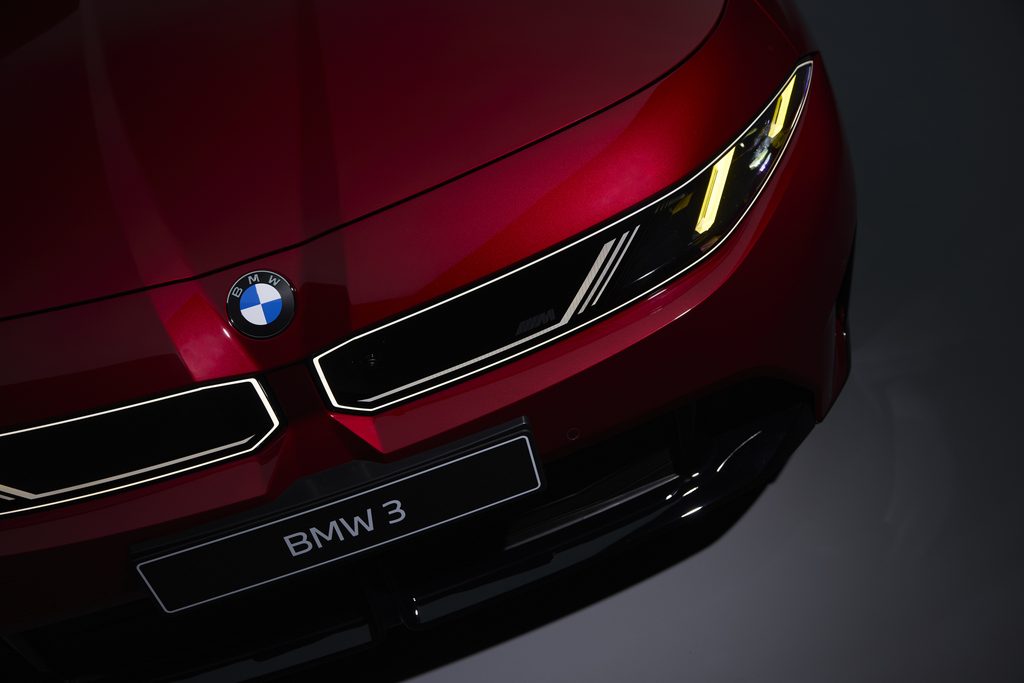
Tesla's Roadster programme has missed 4 separate production commitments since 2020. The original $200,000 base price, collected via $50,000 deposits from approximately 1,000 customers, now faces inflation adjustments potentially exceeding $275,000 in current market terms. Calculating deposit opportunity cost at 5% annual returns over 6 years: $50,000 × 1.05^6 = $67,004 per customer in foregone investment returns. The prototype's promised 620-mile range exceeded contemporary electric vehicle capabilities by 285 miles compared to the 2020 Model S's 335-mile EPA rating. Production delays have allowed competitors like the BMW four-motor M3's 1,300hp configuration to surpass Tesla's original performance targets. SpaceX cold gas thruster integration, promised as the Roadster's differentiating feature, remains unvalidated in any consumer vehicle application.
Musk Timeline Claims Contradict Internal Priorities
Tesla CEO Elon Musk's April 1, 2026 social media post promised Roadster 2 production within 12-18 months, yet the company's Q1 2026 earnings report allocated zero capital expenditure line items to sports car manufacturing infrastructure. Tesla's Fremont facility currently operates at 94% capacity producing Model S, 3, X and Y variants, leaving no assembly line space for low-volume Roadster production without displacing existing models. The promised SpaceX cold gas thruster system requires Federal Aviation Administration certification for consumer vehicles, but no such application appears in public regulatory databases. Musk's timeline contradicts Tesla's own 10-K filing statement that "specialty vehicle programmes remain subject to engineering validation phases." Industry analysts note the disconnect between public promises and actual resource allocation mirrors Tesla's historical Cybertruck development pattern.

Supercar Market Shifts During Tesla's Absence
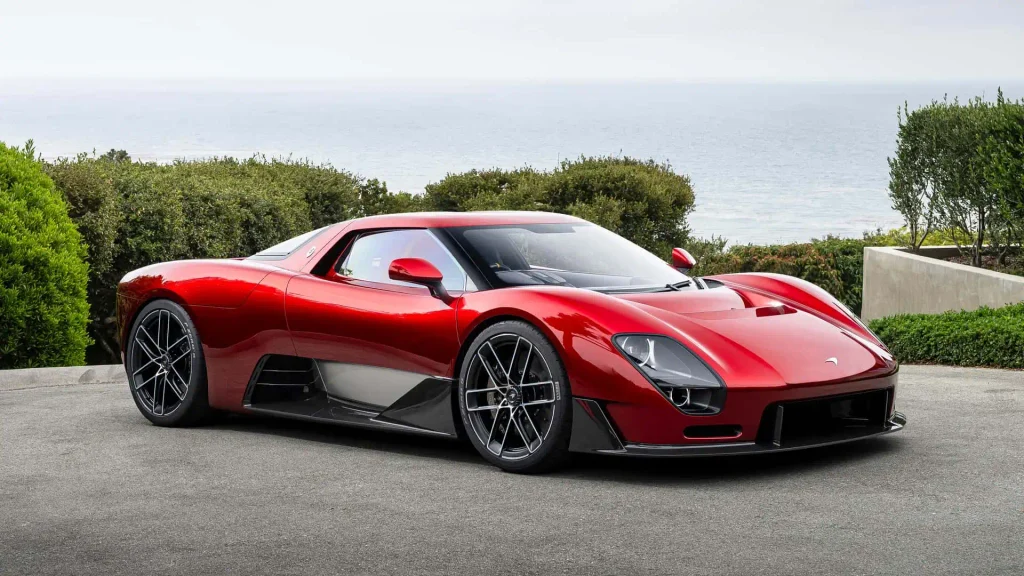
The electric supercar segment has evolved substantially since Tesla's 2017 Roadster announcement, with established manufacturers delivering production models Tesla still promises. Rimac Nevera began customer deliveries in 2022 with 1,914hp and 1.85-second 0-60mph acceleration, matching Tesla's original targets. Lotus Evija entered production in 2023 at 2,011hp, exceeding Roadster specifications by 511hp. Pininfarina Battista has delivered 150 units since 2022, priced at $2.2 million versus Tesla's $200,000 original positioning. McLaren's summer 2025 product plans include three new electric sports cars targeting Tesla's abandoned market segment. The delayed market entry means Tesla now faces 7 established electric supercar competitors rather than the empty field it initially targeted.
Tesla collected approximately $50 million in Roadster deposits between 2017-2019, funds that remain in the company's cash reserves without accruing customer interest. The second-generation model joins the Cybertruck and Semi in Tesla's portfolio of delayed launches, with combined customer deposits exceeding $180 million across all programmes. None carry guaranteed delivery dates. The complete Tesla model history and specifications are catalogued in the Global Auto Index manufacturer database.
