

CarMax Auto Finance division generates 70% of customer loans while inflating vehicle sticker prices above dealer rates.
CarMax builds profits through inflated vehicle pricing rather than competitive retail rates. A Ford dealer analysis shows buyers pay premiums of £3,000 or more. The trade-in offers look generous. Vehicle sticker prices tell another story.
The revelation highlights how dealer business models are adapting as traditional franchises compete with direct-sales formats. CarMax operates its own financing division since 1993, capturing revenue streams that franchise dealers split with manufacturer finance arms, according to NerdWallet's April 2024 analysis.

Dealer Challenges No-Haggle Claims
Matthew, a Ford dealer representative posting on social media, disputed CarMax's pricing advantage directly: "Their pricing is not better than most dealerships. What you'll see is a great trade value and then you'll see their price, and if you try to compare it to other local dealerships, you'll probably notice that the dealerships have a better price." His video, viewed 3,000 times, targets claims that CarMax offers superior deals. The critique focuses on how CarMax's integrated finance model shifts profit centres rather than reducing overall customer costs. Matthew recommends using CarMax trade quotes as negotiating tools at traditional dealers.
Finance Division Captures 70% Market Share
CarMax Auto Finance writes loans for 70% of the company's vehicle buyers, generating APR rates between 5.24% and 24.35% based on credit scores. The division has operated exclusively for CarMax customers since 1993, eliminating external lender competition on the lot. Traditional dealers typically split financing commissions with manufacturer captive arms like Ford Credit or third-party banks. CarMax's vertical integration captures both vehicle markup and finance revenue streams. The 70% capture rate exceeds most franchise dealer finance penetration, which averages 65% according to industry benchmarks.
Price Comparison Reveals £3,000 Gap
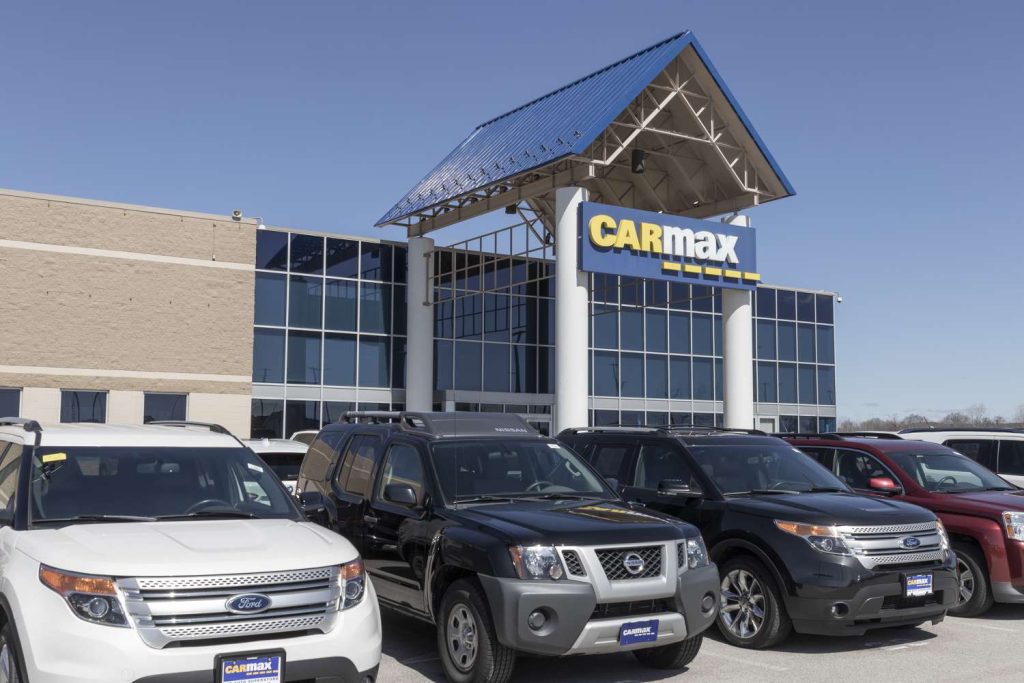
RateGenius documented specific pricing disparities between CarMax and franchise dealers in April 2024. A 2017 Ford Escape with 41,000 miles carried a £25,998 CarMax price tag compared to a newer 2019 Ford Escape with 24,000 miles available from local dealers around £23,000. The analysis excluded dealer fees and add-ons, suggesting the actual gap could widen further. CarMax's no-negotiation policy prevents price adjustments that traditional dealers routinely offer. Franchise dealers face mounting pressure to match direct-sales convenience while maintaining price competitiveness.
Trade Values Exceed Lot Pricing Logic
Customer testimonials reveal apparent contradictions in CarMax's pricing structure. One buyer reported receiving a £25,000 trade offer for a 2022 Pathfinder SL with 38,000 miles while identical vehicles on CarMax lots carried £35,000 stickers. Another customer sold directly to CarMax for £4,000 above competing offers, then purchased elsewhere. The £10,000 spread between trade value and retail price exceeds typical dealer margins of £2,000-£4,000 on used vehicles. This suggests CarMax absorbs trade losses to secure financing customers, then recovers costs through loan origination and higher retail pricing. Traditional dealers cannot sustain such wide spreads without manufacturer support.
CarMax's 24-hour test drive policy and 30-day return guarantee add operational costs not reflected in traditional dealer models. The company processed over 1.2 million vehicle sales in fiscal 2023, generating average gross profit of £2,800 per unit. Traditional franchise dealers report £1,900 average gross margins on used vehicles. The complete Ford model history and specifications are catalogued in the Global Auto Index manufacturer database.
