



Viral TikTok exposes impossible delivery logistics in Manhattan commercial districts with maxed-out curb space.
A UPS driver pleaded with a New York parking attendant to identify legal loading zones. None existed. The ticket stood. Commercial vehicles rack up millions in fines annually across the city's congested streets.
The confrontation highlights urban delivery contradictions that cost logistics companies millions while generating substantial municipal revenue. New York issues millions of parking tickets yearly, with commercial vehicles bearing disproportionate burden, according to city parking enforcement data published in municipal budget reports.
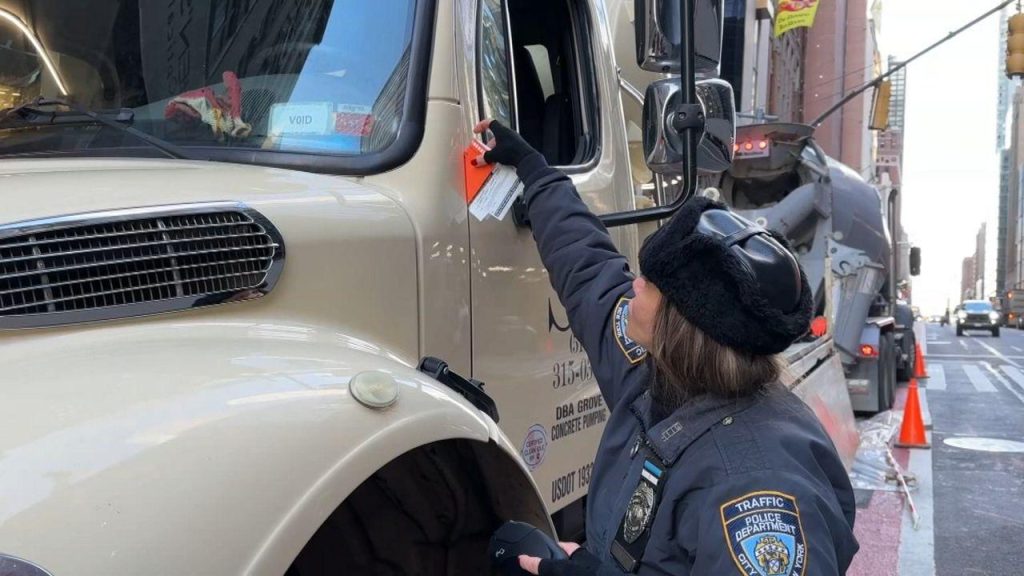
Driver Demands Clear Parking Rules
The driver's challenge was direct: "Brother, this is New York City. So, show me where to park. Show me where to park." The parking attendant offered only procedural deflection, suggesting the driver call the city's 311 information line for available spots. When pressed for immediate solutions, the attendant cut short the exchange. "I do my job. That's it," he said before walking away with the completed violation. The TikTok video from Sunday Visions drew 23,000 views within days. Comments flooded with similar experiences from Amazon and FedEx drivers who face identical situations daily. The broader industry restructuring around last-mile delivery intensifies these urban logistics conflicts.
Commercial Vehicle Fines Generate Millions
UPS, Amazon, and FedEx accumulate millions of dollars in New York parking violations annually. The city's parking enforcement operates at massive scale, issuing approximately 10 million tickets per year. Commercial vehicles represent roughly 30% of total violations despite comprising less than 5% of registered vehicles. Revenue from parking fines exceeds $500 million annually for New York's budget. Some delivery companies negotiate reduced penalties by agreeing not to contest tickets. The math is stark: a $115 parking ticket costs less than the driver time required to circle blocks searching for legal spots. This calculation drives systematic violation acceptance across the logistics sector.
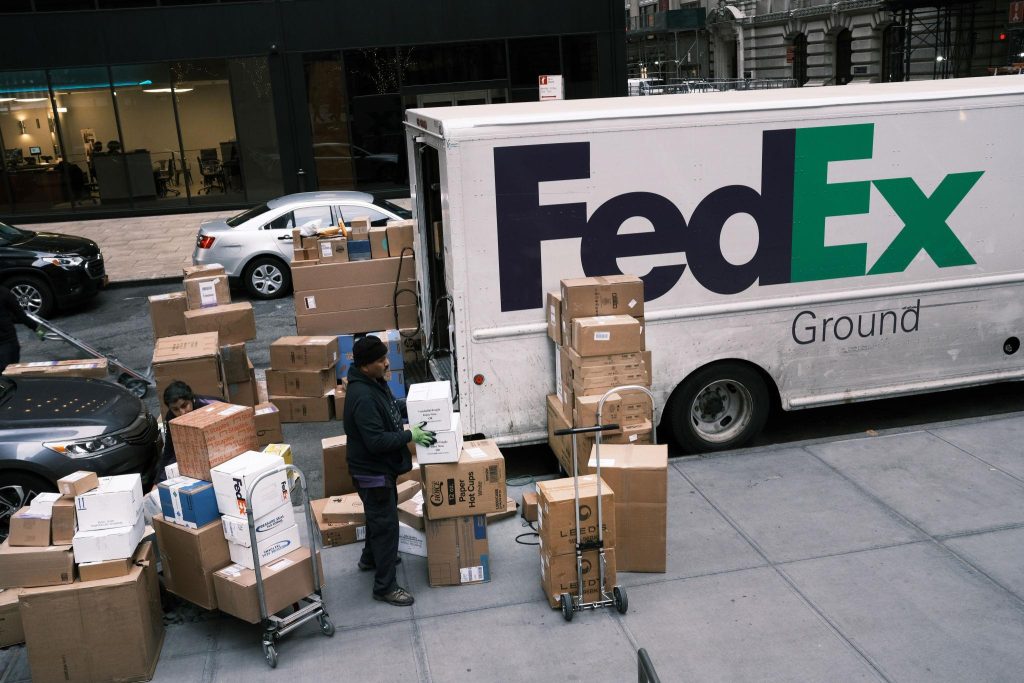
Loading Zones Fail Delivery Volume Reality
New York designated commercial loading zones decades before e-commerce explosion reshaped delivery patterns. Current loading zone capacity serves perhaps 20% of actual commercial vehicle demand during peak hours. London operates 40,000 dedicated loading bays compared to New York's estimated 8,000 spaces. The mismatch forces drivers into impossible choices: double parking, blocking traffic lanes, or accepting inevitable fines. Even designated commercial vehicle areas offer no immunity from tickets, as the driver discovered. The rules change without addressing fundamental space constraints that make legal compliance impossible during business hours.
Enforcement Creates Legal Stalemate
Neither parking attendant nor UPS driver operates outside established rules, yet their interaction produces systematic conflict. Drivers face route performance metrics that penalize delays while operating in environments where legal parking doesn't exist. Attendants follow violation protocols without discretion for operational realities. This creates economic stalemate where fines become predictable business expenses rather than behavioral deterrents. Trade regulation pressures compound logistics costs while urban enforcement adds millions in additional penalties. The result transforms parking violations from legal exceptions into systematic business operations embedded in delivery pricing models.
Manhattan's commercial loading zone study, completed in 2023, found 73% of designated spaces occupied during peak delivery hours. The city collected $547 million from parking fines in fiscal year 2023, with commercial vehicles generating 31% of total revenue. Double parking violations increased 18% year-over-year as delivery volume expanded. The complete UPS model history and specifications are catalogued in the Global Auto Index manufacturer database.
