







Ford's electric division restructures into combined product creation and manufacturing unit amid leadership change.
Doug Field will depart Ford Motor Company after five years leading electric vehicle development. The company simultaneously dissolves Model E as a standalone division. Ford combines electric operations with manufacturing into one unit.
The departure reflects broader industry pressure to streamline electric vehicle operations amid slowing growth. Major automaker reorganisations have accelerated in 2026 compared to just three restructurings across the sector in 2025, according to Autocar Business reporting in January 2026.
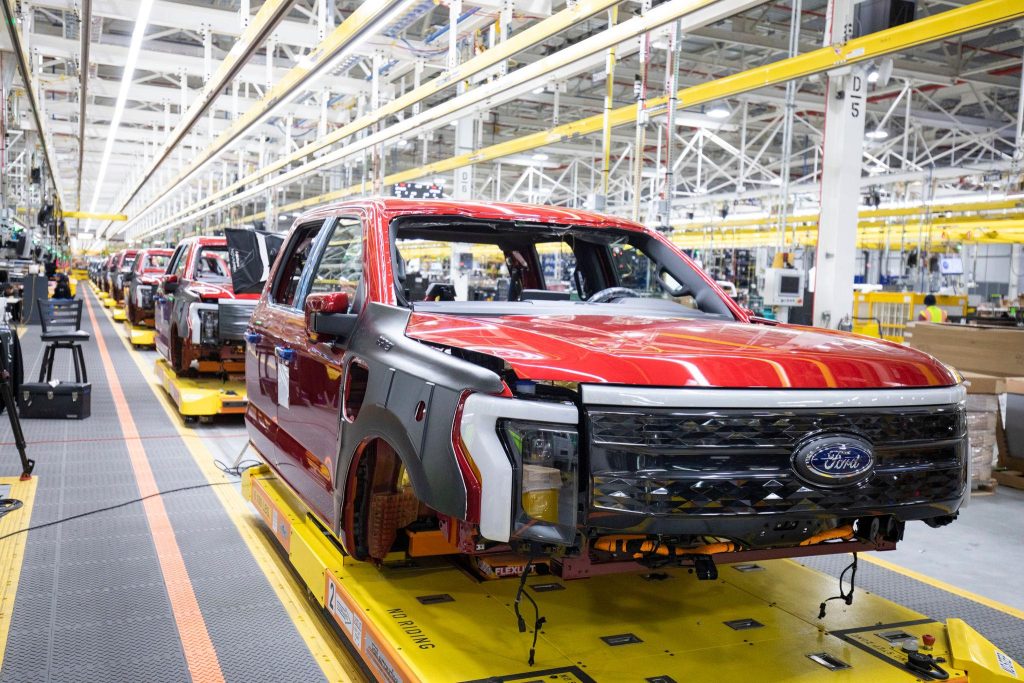
Model E Division Dissolves Into Manufacturing Operations
Ford announced the structural changes alongside Field's departure, creating what executives termed a "product creation and industrialisation" division. The Model E unit, established in March 2022 as Ford's dedicated electric vehicle arm, will cease independent operations. Manufacturing teams from Ford Blue will absorb Model E personnel and projects. The restructuring affects approximately 3,400 employees across Dearborn and Flat Rock facilities. Field joined Ford from Apple in September 2021, bringing expertise from the iPhone maker's cancelled automotive project. His tenure spanned the launch of F-150 Lightning, Mustang Mach-E updates, and development of the upcoming electric Explorer for European markets. Ford has not named Field's replacement.
Financial Pressure Mounts As Electric Losses Widen
Ford's electric vehicle operations posted $4.7 billion losses in 2025, widening from $3.1 billion the previous year. The Model E division sold 178,000 units globally, down 8% from 2024's 194,000 deliveries. Production costs per electric vehicle averaged $52,400 compared to $31,200 for internal combustion models. The arithmetic shows electric vehicles lose $26,400 per unit before dealer margins. Lightning production at Rouge Electric Vehicle Center dropped to 24,000 units in 2025 from 40,000 in 2024. European Mustang Mach-E registrations fell 23% to 31,500 vehicles. Ford's electric market share in the United States slipped to 2.8% from 3.2% in 2024. The company maintains targets for 8% electric share by 2028.
Ford's Approach Diverges From GM Integration Strategy
General Motors chose the opposite path, maintaining separate electric vehicle leadership under Vice President Wade Sheffer while expanding Ultium platform production. GM's portfolio restructuring preserved dedicated electric teams across Warren Technical Center and Spring Hill facilities. Ford's integration model resembles Toyota's approach, where electrified vehicles share development resources with conventional powertrains. Stellantis similarly merged electric operations in 2025, but retained separate profit and loss accountability. Tesla and Rivian operate integrated structures by design, lacking separate combustion engine divisions. The divergent strategies reflect different views on whether electric vehicles require isolated development environments or benefit from shared manufacturing expertise.
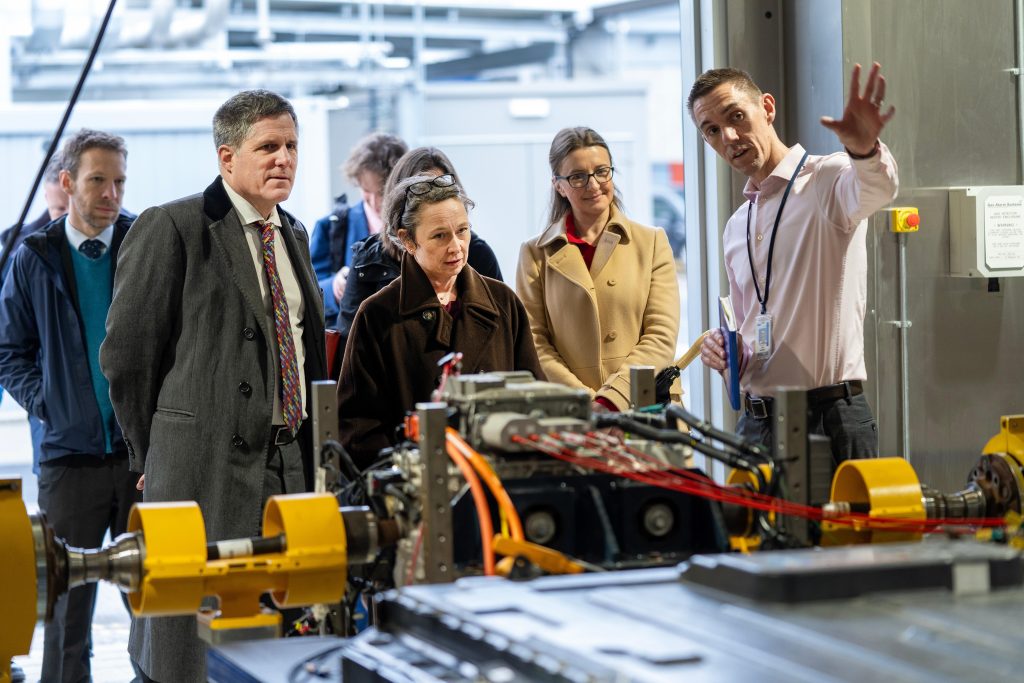
Internal Memo Details Transition Timeline
An internal Ford document dated January 13, 2026, outlined the transition process across three phases through June 2026. Section 3.2 specifies that Model E engineering teams will report to Chief Engineer Raj Nair by March 1, while manufacturing integration completes by April 15. The memo identifies 127 overlapping roles requiring elimination or reassignment. Field's departure triggers retention bonuses for 23 senior engineers to prevent further exodus. Document section 4.1 reveals Ford will maintain separate electric vehicle profit reporting despite operational integration. The company projects $180 million annual savings from eliminated management layers. Ford plans to announce the new division's leadership structure by February 28, according to the internal timeline.
Timing Raises Questions About Strategic Direction
Field's exit comes just eight months after Ford promoted him to oversee next-generation electric architecture development. The company invested $2.1 billion in Louisville's electric truck facility in September 2025, suggesting long-term commitment to separate electric manufacturing. Ford's annual report from February 2025 specifically highlighted Model E's independence as a competitive advantage. The restructuring contradicts statements from CEO Jim Farley, who told investors in October that electric operations needed "complete autonomy" to compete with Tesla. Industry analysts note the contradiction between expanding electric infrastructure while eliminating organizational separation. Chinese manufacturers continue building dedicated electric facilities even as established automakers retreat from the strategy.
Field previously spent four years at Tesla before joining Apple's Project Titan in 2018. The restructuring marks Ford's third major organizational change since launching Model E in 2022, following previous adjustments in June 2023 and November 2024. Ford's board approved $890 million in severance and restructuring costs for 2026. The complete Ford model history and specifications are catalogued in the Global Auto Index manufacturer database.
