







Richard Candler says current lithium battery chemistry cannot deliver GT-R performance requirements.
Nissan killed electric power for the R36 GT-R. The next-generation sports car will use hybrid technology instead. Battery chemistry cannot meet performance targets.
The decision reflects broader industry caution around electric sports cars, which have struggled for market acceptance compared to conventional performance vehicles. Richard Candler, Nissan's global head of product strategy, made the confirmation during interviews at the company's Yokohama headquarters in April 2024.
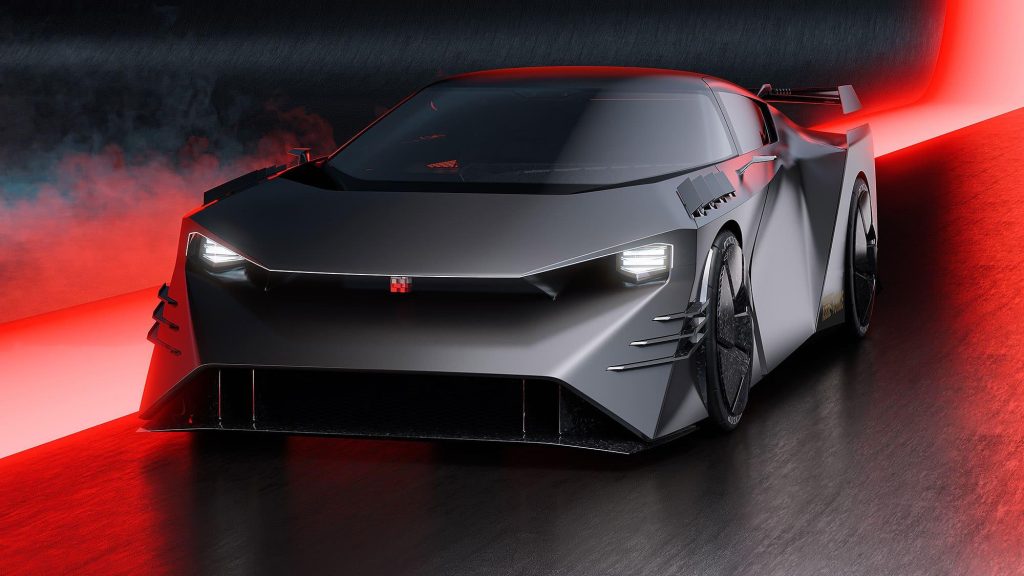
Battery Technology Falls Short of GT-R Standards
Candler rejected electric power outright for the R36 project. "Electric sports cars haven't been hugely popular," he told journalists. "Current lithium chemistries are not capable of producing a GT-R-type product. We're not going with batteries in the next generation. No way." The statement marks a definitive break from Nissan's broader electrification strategy, which targets carbon neutrality by 2050. The GT-R becomes an exception within the company's lineup transformation. Candler cited battery weight, charging time and thermal management as insurmountable obstacles for track-focused applications. The R35 generation has maintained naturally aspirated V6 power since 2007, establishing performance benchmarks that electric powertrains cannot yet match according to Nissan's internal testing.
Emissions Rules Force Hybrid Compromise
European and Japanese emissions regulations will still force electrification onto the R36 platform. Candler acknowledged this regulatory pressure: "GT-R will have to be electrified because of emissions regulations at some level, of course." The hybrid system will likely combine the traditional twin-turbo V6 with electric motor assistance. This approach mirrors broader industry restructuring as manufacturers balance performance demands with regulatory compliance. Nissan joins Ferrari, McLaren and Porsche in adopting hybrid technology for flagship sports cars rather than pursuing full electrification. The R36 development timeline suggests a 2028-2030 launch window, giving Nissan time to refine the hybrid architecture. CEO Ivan Espinosa confirmed the project remains active despite broader cost-cutting across Nissan's global operations.
Market Reality Contradicts EV Sports Car Push
Electric sports car sales have disappointed across multiple segments and price points. The Porsche Taycan achieved 34,801 global deliveries in 2023, compared to 95,604 units for the combustion-powered 911 range. Tesla's Model S Plaid, despite sub-2-second acceleration, sold fewer than 15,000 units in the US market during 2023. BMW's i8 hybrid sports car was discontinued after just six years due to weak demand. BMW's upcoming electric M3 represents another test case for battery-powered performance vehicles. Nissan's decision reflects this market skepticism toward electric sports cars. The GT-R's traditional buyer base prioritizes engine sound, mechanical connection and track endurance over zero-emission capability. Candler's team conducted focus groups across Japan, Europe and North America before reaching the hybrid conclusion.
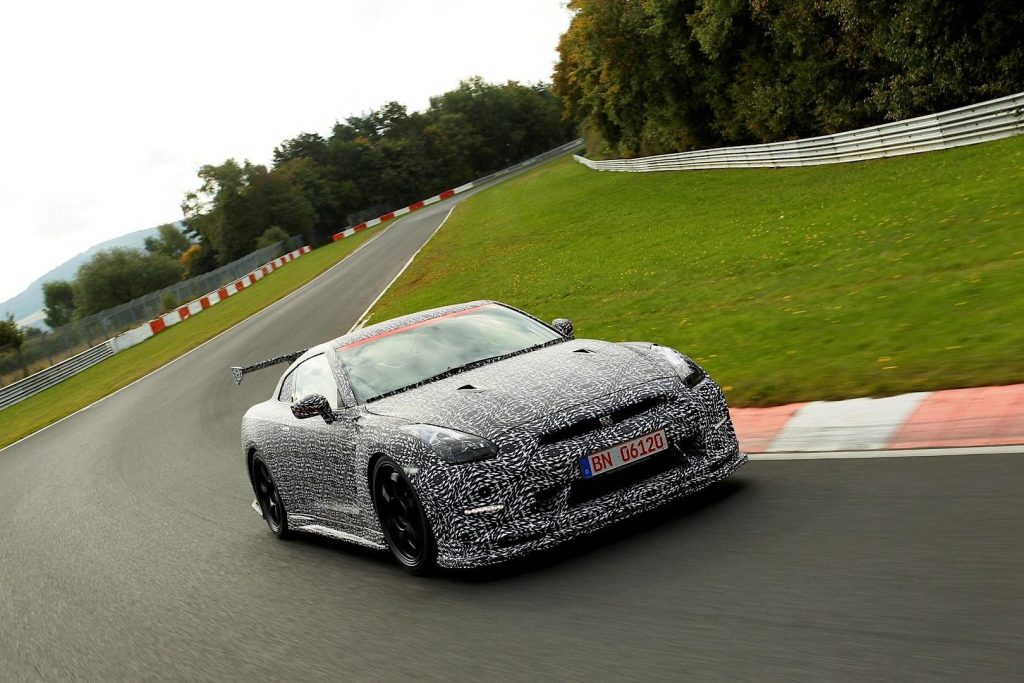
R36 Timeline Stretches Development Window
The R35 GT-R has remained in production for 17 years since its 2007 debut, making it one of the longest-running sports car generations in automotive history. Nissan sold approximately 2,400 GT-R units globally in 2023, down from peak annual sales of 5,902 units in 2009. The R36 project entered formal development in late 2023 according to company sources. Production planning targets 3,500-4,000 annual units globally, with Japan accounting for roughly 30% of volume. The hybrid powertrain adds estimated development costs of $180 million compared to a conventional engine refresh. Nissan allocated $2.1 billion for sports car development through 2030, covering GT-R plus potential Z-car successors. The R36 will compete against the $165,000 Porsche 911 Turbo S and $207,000 McLaren Artura in the hybrid performance segment.
The R36 represents Nissan's first major GT-R redesign since 2007, with hybrid technology marking the biggest powertrain change in the model's 55-year history. Testing begins in summer 2025. The complete Nissan model history and specifications are catalogued in the Global Auto Index manufacturer database.
