







Munich prioritises volume models over special projects as portfolio overhaul demands 40 launches by 2027.
BMW shelved special projects until 2029. The automaker commits to volume sellers first. Forty new models arrive by 2027 instead.
Munich invests over €10 billion in Neue Klasse architecture, its largest spend in company history. Previous brand shapers like i3 and i8 took risks when BMW had fewer priorities, according to Carsales interview with Mike Reichelt, Head of Neue Klasse, published April 2024.
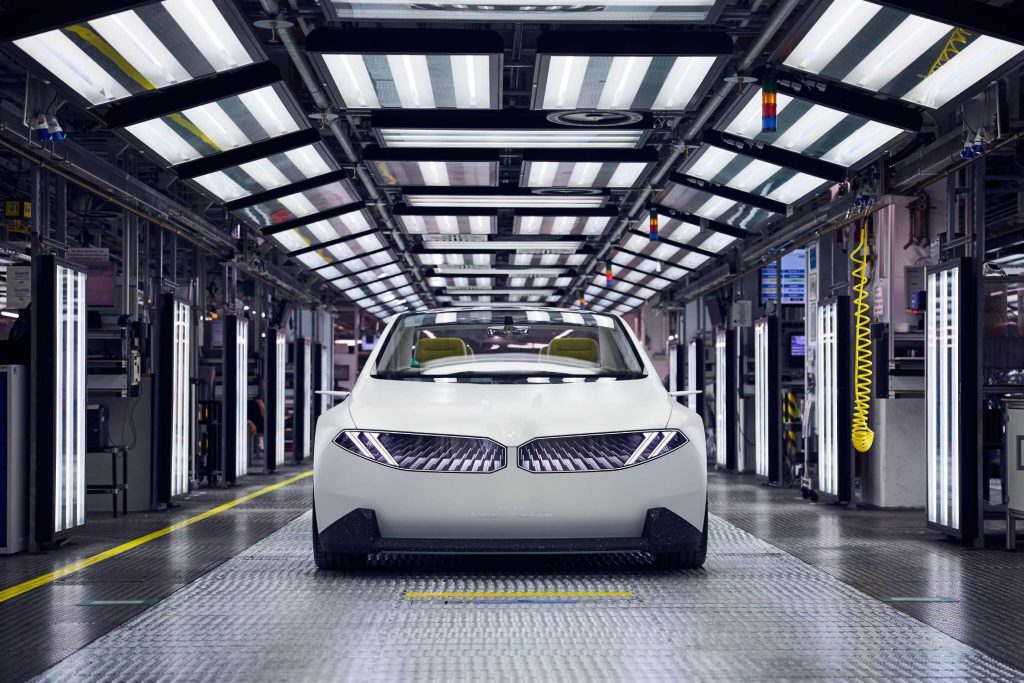
Volume Takes Priority Over Innovation
Reichelt explained BMW's shift from experimental models to mainstream focus. 'For us, the middle of the brand is most important. The best way is to start in the middle of the brand, and not on the boundaries of the portfolio,' he told Carsales. The company needs scale to justify Neue Klasse investment. Mid-size models generate the sales numbers required. Previous brand shapers worked when BMW faced fewer competing demands. The i3 hatchback and i8 sports car launched when industry restructuring pressures remained manageable. Now Munich faces different math. Electric architecture costs demand volume recovery first.
40 Models Crowd Three-Year Window
BMW launches 40 new or updated models between now and end-2027. The iX3 started Neue Klasse rollout in 2024. Seven Series facelift arrives next week. Summer brings next-generation X5. New 3 Series with combustion engines follows. M2 xDrive and electric iX4 reach dealers before year-end. 2027 delivers facelifted 5 Series family plus second-generation X7 and electric iX7. New iX1 may also debut. That represents 13.3 models per year versus BMW's historical 8-10 annual pace. Chinese manufacturers launch products faster, pressuring established makers to accelerate. Munich doubles its usual cadence.
Rugged SUV Targets G-Class Territory
Reports suggest BMW develops off-road SUV for 2029 launch, marking territory shift. Mercedes doubles down on G-Class formula with smaller version planned. Audi and Genesis explore similar projects. BMW historically avoided dedicated off-road vehicles, unlike Stuttgart's 45-year G-Class heritage. The Munich SUV likely uses unibody construction rather than body-on-frame like G-Class. Established luxury brands face pressure to expand into niches as markets fragment. Genesis GV70 proves appetite exists for luxury off-roaders beyond Mercedes monopoly. BMW's version would be most capable off-road model in company history.
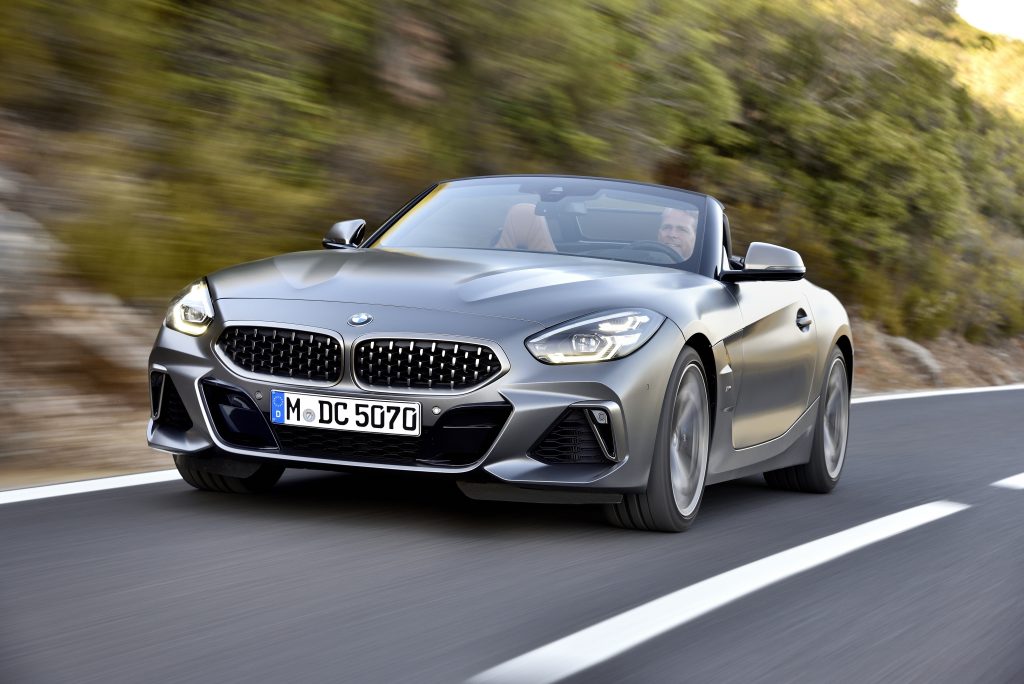
Convertible Gap Opens as Z4 Exits
Z4 and 8 Series production ends, leaving 4 Series as BMW's sole convertible until 2029. The world's largest luxury automaker faces droptop drought in key markets. Neue Klasse architecture enables rear-wheel drive across all electric models, opening possibilities for electric i4 convertible. Platform flexibility also permits rear-drive MINI models, breaking from front-wheel tradition. Electric M3 development shows Munich commits to performance EVs. Alpina integration as standalone luxury brand above BMW creates room for upmarket exploration without threatening Rolls-Royce positioning. Portfolio gaps become opportunities once core Neue Klasse stabilises.
Six-cylinder M3 follows electric version in 2028, while 3 Series Touring opens door for long-roof M models. All Neue Klasse EVs abandon front-wheel drive layouts used 1 and 2 Series Gran Coupe. Platform investment exceeds any previous BMW project. The complete BMW model history and specifications are catalogued in the Global Auto Index manufacturer database.
