A comprehensive look at the major corporate transactions, executive appointments, and strategic shifts that reshaped the global automotive landscape during 2007.
Overview
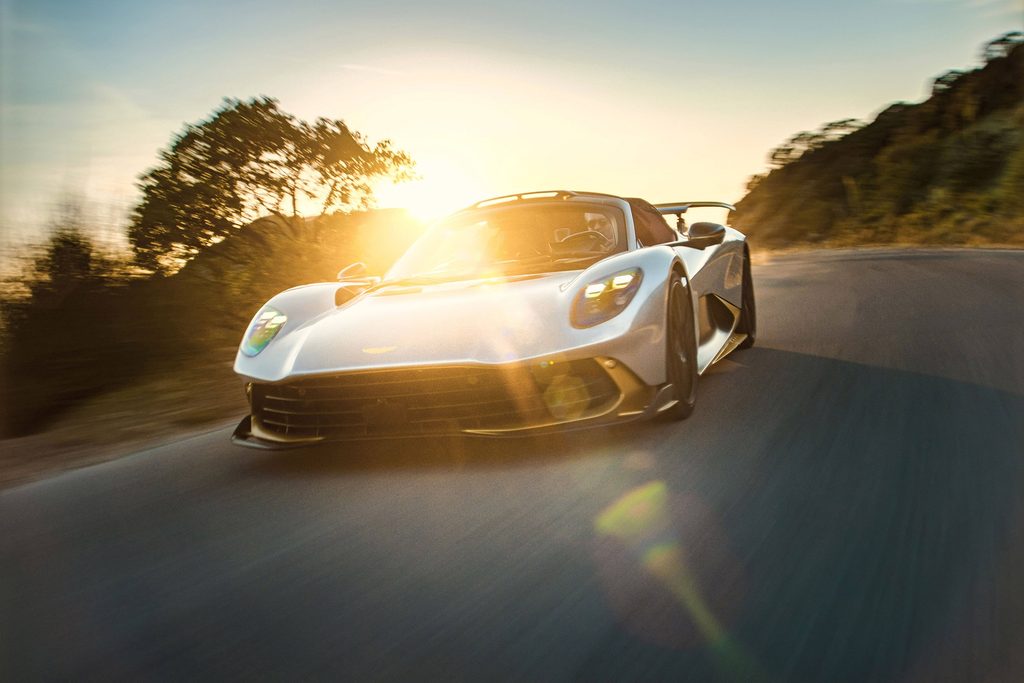
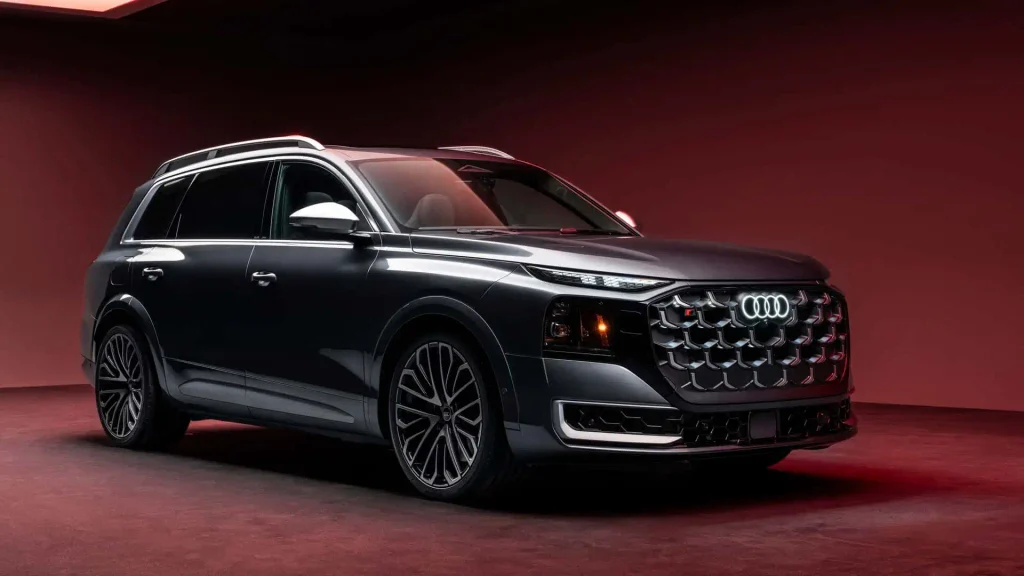
The year 2007 marked a period of intense restructuring within the global automotive industry, driven by financial pressures and strategic realignments. Ford's divestiture of Aston Martin to a consortium led by Prodrive chairman David Richards represented the American automaker's broader strategy to shed premium brands and focus on core operations. Simultaneously, Cerberus Capital Management's acquisition of a majority stake in Chrysler Group from Daimler highlighted private equity's growing influence in automotive restructuring. Executive leadership changes were equally notable, with appointments like Ernst Lieb as Mercedes-Benz USA's President and CEO, and Wolfgang Josef Egger's elevation to Audi Group Head of Design reflecting companies' efforts to strengthen regional operations and design capabilities. The period also witnessed the revival of historic brands, including the return of the Abarth scorpion badge and production resumption of MG cars at Longbridge, demonstrating the enduring value of automotive heritage in an increasingly consolidated market.
Key Entities
| Entity | Type | Coverage |
|---|---|---|
| Ford | brand | Major divestiture activity including Aston Martin sale |
| Aston Martin | brand | Sold by Ford to consortium led by David Richards |
| Chrysler Group | brand | Acquired by Cerberus Capital Management from Daimler |
| Cerberus Capital Management | brand | Private equity firm acquiring majority Chrysler stake |
| Mercedes-Benz USA | brand | Ernst Lieb appointed as President and CEO |
| Audi | brand | Wolfgang Josef Egger named Group Head of Design |
| Abarth | brand | Historic scorpion badge returns to market |
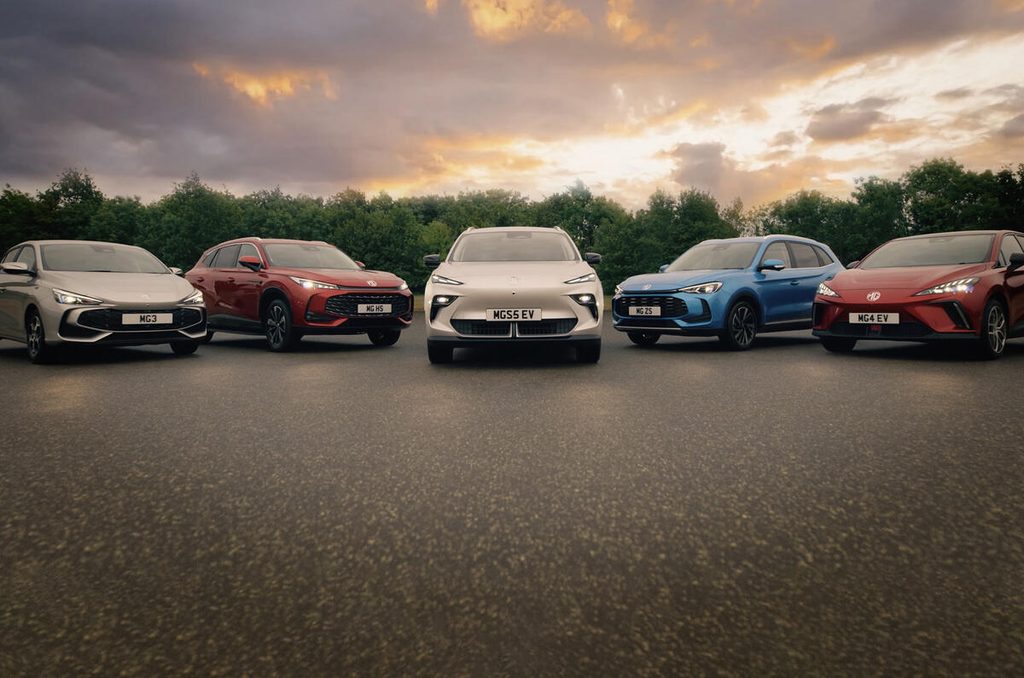
| MG | brand | Production resumption announced at Longbridge facility |
| Bentley | brand | Mulliner personalization service launch |
| Lancia | brand | New corporate logo introduction |
Analysis
The automotive industry's 2007 business developments reveal three interconnected forces reshaping the sector: financial restructuring, brand portfolio optimization, and executive talent mobility. Ford's decision to sell Aston Martin, following earlier disposals of other premium brands, exemplified the broader trend of automakers retreating from diversified luxury portfolios to concentrate resources on volume brands. This strategic shift reflected mounting financial pressures that would soon culminate in the global financial crisis, forcing manufacturers to prioritize cash flow over prestige assets.
The Cerberus acquisition of Chrysler represented a new chapter in automotive ownership structures, as private equity firms began viewing distressed automakers as restructuring opportunities. This transaction foreshadowed the industry's increased reliance on financial engineering and external capital during periods of stress. The involvement of investment firms in automotive operations would become increasingly common, fundamentally altering traditional manufacturer-supplier-dealer relationships.
Executive movements during this period indicated companies' recognition that leadership quality would determine survival in an increasingly competitive landscape. The appointment of regional executives like Ernst Lieb at Mercedes-Benz USA reflected automakers' focus on strengthening local market expertise, while design leadership changes such as Wolfgang Josef Egger's role at Audi demonstrated the growing importance of aesthetic differentiation in crowded market segments.
The revival of heritage brands like Abarth and MG illustrated a countertrend to consolidation, as investors and manufacturers recognized the commercial value of automotive history. These resurrections often involved complex ownership transfers and required significant capital investment, yet they represented opportunities to capture niche markets with strong emotional connections to specific marques.
These developments collectively document the industry's transition from an era of expansion and acquisition to one of rationalization and focus, setting the foundation for the more dramatic restructuring that would follow during the 2008-2009 financial crisis.
Timeline
- 2006-02 — Today on Global Auto Index
- 2006-02 — Today on Global Auto Index
- 2006-02 — The 2006 Global Auto Show Report Series is here!
- 2006-03 — Today on Autoindex
- 2006-04 — Today on Global Auto Index
- 2006-04 — Today on Global Auto Index
- 2006-05 — Today on Autoindex
- 2006-05 — Today on Global Auto Index
- 2006-05 — Today on Autoindex
- 2006-08 — Today on Global Auto Index
- 2006-08 — Today on Global Auto Index
- 2006-12 — The HB experience – life at its purest
- 2007-01 — Chrysler with a Chery…
- 2007-01 — Dr. Wolfgang Bernhard leaves Volkswagen AG Board of Management
- 2007-02 — Production of MG cars to resume at Longbridge
- 2007-02 — Wolfgang Josef Egger, Audi Group Head of Design
- 2007-03 — The legendary Abarth ’Scorpion’ returns
- 2007-03 — A new Lancia logo for the challenges of the future
- 2007-03 — Ford announces agreement to sell Aston Martin
- 2007-03 — Tata Motors rolled out first CityRover
- 2007-03 — Two new Rovers unveiled
- 2007-04 — Aston Martin engine facility – Cologne
- 2007-05 — Today on Global Auto Index
- 2007-05 — Cerberus takes over majority interest in Chrysler Group and related financial services business for EUR 5.5 Billion ($7.4 billion) from DaimlerChrysler
- 2007-05 — New photos uploaded
- 2007-05 — Today on Autoindex
- 2007-05 — Today on Autoindex
- 2007-05 — Russian carmakers updated
- 2007-05 — Today on Autoindex
- 2007-05 — Today on Autoindex
- 2007-05 — Today on Autoindex
- 2007-05 — Today on Autoindex
- 2007-05 — Today on Autoindex.org
- 2007-05 — Today on Autoindex.org
- 2007-05 — Today on Autoindex.org
- 2007-05 — Today on Autoindex.org
- 2007-05 — Today on Autoindex.org
- 2007-05 — Ernst Lieb named President and CEO of Mercedes-Benz USA
- 2007-05 — Today on Autoindex.org
- 2007-05 — New photos uplodaed
- 2007-05 — Autoindex is on the move
- 2007-05 — Today on Autoindex.org
- 2007-05 — Trident becomes Broadley
- 2007-05 — Bentley launches Mulliner
- 2007-05 — Today on Autoindex.org
- 2007-05 — Today on Autoindex.org
- 2007-06 — Today on Autoindex
- 2007-06 — Today on Autoindex
- 2007-06 — Today on Autoindex
- 2007-06 — Today on Autoindex.org
- 2007-06 — Today on Global Auto Index
- 2007-06 — Today on Autoindex.org
- 2007-06 — Today on Autoindex.org
- 2007-06 — Today on Autoindex
- 2007-08 — Today on Autoindex
- 2007-08 — Today on Autoindex
- 2007-08 — Today on Autoindex
- 2007-08 — Today on Autoindex
- 2007-08 — Today on Global Auto Index
- 2007-10 — Today on Global Auto Index
- 2008-01 — Today on Global Auto Index
All Articles (61)
- Today on Global Auto Index — 2008-01-04
- Today on Global Auto Index — 2007-10-18
- Today on Global Auto Index — 2007-08-19
- Today on Autoindex — 2007-08-16
- Today on Autoindex — 2007-08-16
- Today on Autoindex — 2007-08-15
- Today on Autoindex — 2007-08-15
- Today on Autoindex — 2007-06-07
- Today on Autoindex.org — 2007-06-05
- Today on Global Auto Index — 2007-06-05
- Today on Autoindex.org — 2007-06-05
- Today on Autoindex.org — 2007-06-05
- Today on Autoindex — 2007-06-04
- Today on Autoindex — 2007-06-04
- Today on Autoindex — 2007-06-04
- New photos uplodaed — 2007-05-30
- Autoindex is on the move — 2007-05-30
- Today on Autoindex.org — 2007-05-30
- Trident becomes Broadley — 2007-05-30
- Bentley launches Mulliner — 2007-05-30
- Today on Autoindex.org — 2007-05-30
- Today on Autoindex.org — 2007-05-30
- New photos uploaded — 2007-05-28
- Today on Autoindex — 2007-05-28
- Today on Autoindex — 2007-05-28
- Russian carmakers updated — 2007-05-28
- Today on Autoindex — 2007-05-28
- Today on Autoindex — 2007-05-28
- Today on Autoindex — 2007-05-28
- Today on Autoindex — 2007-05-28
- Today on Autoindex.org — 2007-05-28
- Today on Autoindex.org — 2007-05-28
- Today on Autoindex.org — 2007-05-28
- Today on Autoindex.org — 2007-05-28
- Today on Autoindex.org — 2007-05-28
- Ernst Lieb named President and CEO of Mercedes-Benz USA — 2007-05-28
- Today on Autoindex.org — 2007-05-28
- Cerberus takes over majority interest in Chrysler Group and related financial services business for EUR 5.5 Billion ($7.4 billion) from DaimlerChrysler — 2007-05-16
- Today on Global Auto Index — 2007-05-04
- Aston Martin engine facility – Cologne — 2007-04-18
- Tata Motors rolled out first CityRover — 2007-03-21
- Two new Rovers unveiled — 2007-03-21
- Ford announces agreement to sell Aston Martin — 2007-03-16
- A new Lancia logo for the challenges of the future — 2007-03-11
- The legendary Abarth ’Scorpion’ returns — 2007-03-03
- Wolfgang Josef Egger, Audi Group Head of Design — 2007-02-19
- Production of MG cars to resume at Longbridge — 2007-02-02
- Dr. Wolfgang Bernhard leaves Volkswagen AG Board of Management — 2007-01-18
- Chrysler with a Chery… — 2007-01-02
- The HB experience – life at its purest — 2006-12-11
- Today on Global Auto Index — 2006-08-14
- Today on Global Auto Index — 2006-08-14
- Today on Autoindex — 2006-05-29
- Today on Global Auto Index — 2006-05-28
- Today on Autoindex — 2006-05-17
- Today on Global Auto Index — 2006-04-28
- Today on Global Auto Index — 2006-04-09
- Today on Autoindex — 2006-03-06
- The 2006 Global Auto Show Report Series is here! — 2006-02-27
- Today on Global Auto Index — 2006-02-23
- Today on Global Auto Index — 2006-02-20