
European boss Emanuele Cappellano rules out rebadging between Jeep, Ram, Peugeot and Fiat global platforms.
Stellantis will launch 110 new or updated vehicles by 2030 across its 14-brand portfolio. Each model gets distinct design work. No rebadging allowed.
The commitment counters industry trends toward shared bodywork between sister brands, as seen with BMW's platform consolidation moves. Emanuele Cappellano, Stellantis European operations head, detailed the differentiation approach in an interview with Autocar magazine, published June 2024.
Four global brands anchor development
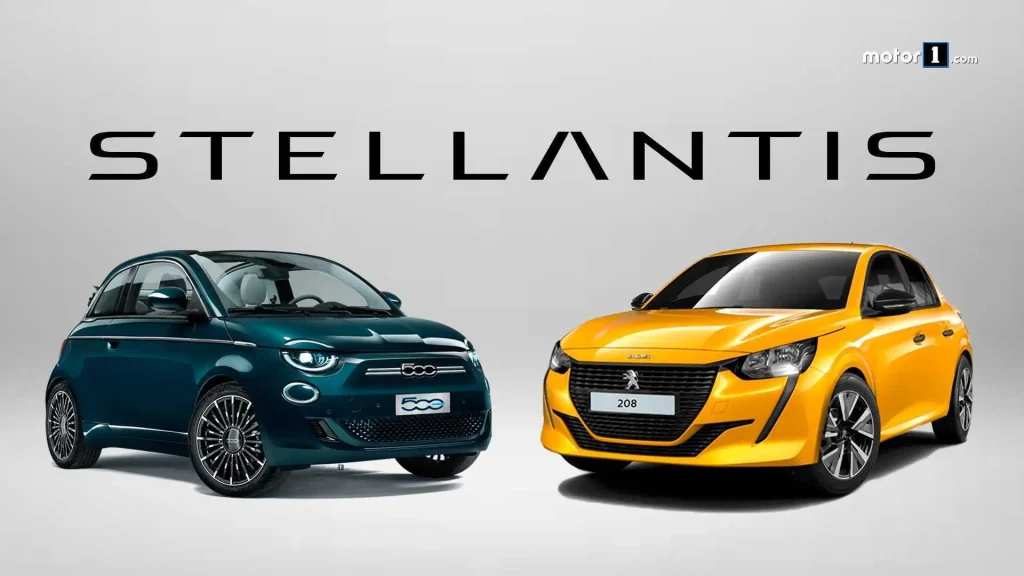
Stellantis designates Jeep, Ram, Peugeot and Fiat as global launching platforms for new technologies and architectures. The remaining ten regional brands—including Alfa Romeo, Vauxhall, Chrysler and Dodge—will adapt these foundations with distinct bodywork, powertrains and interior specifications. Cappellano told Autocar that brands must "change the design, body type and shape and brand attributes" rather than apply simple badge engineering. The approach mirrors broader industry restructuring patterns but promises deeper differentiation than typical platform sharing. Most capital expenditure targets design diversification rather than mechanical development. Regional brands will receive new products after global variants establish market presence, with timing staggered across 18-month development cycles.
Investment split favors design over engineering
Stellantis allocates approximately 60% of new model budgets to design differentiation work, compared to 40% for platform and powertrain development shared across brands. The 110-vehicle programme spans 6.5 years, averaging 17 launches annually. Each regional brand receives between 3-8 new models depending on market size and profitability targets. Jeep leads with 23 planned variants, followed by Peugeot with 19, Ram with 16 and Fiat with 14 vehicles. The remaining 38 models distribute across regional brands. Alfa Romeo secures 8 new products, Vauxhall gets 7, Chrysler receives 6. Development costs per distinct model average €280 million versus €450 million for completely unique platforms. This represents 38% savings compared to individual brand development.
Airflow prototype hints at shared architecture
Recent Stellantis promotional footage revealed a mystery Chrysler vehicle sharing door handles, daylight openings and side glass profiles with the current Jeep Cherokee. The apparent Airflow successor demonstrates both design differentiation promise and underlying platform commonality. Cherokee doors measure 1,847mm height versus approximately 1,820mm on the Chrysler prototype—a 27mm reduction. Door handle positioning and window frame geometry remain identical between vehicles. Chinese manufacturers increasingly reject shared European production to avoid similar badge engineering perceptions. Stellantis faces the opposite challenge: convincing buyers that shared platforms deliver genuine model distinction rather than cosmetic changes applied over common mechanical foundations.
Regional brands await global platform rollouts
Vauxhall, Alfa Romeo and Chrysler must wait for Peugeot and Jeep to establish new platform architectures before developing their own variants. This creates 12-18 month delays compared to traditional simultaneous development across sister brands. Alfa Romeo's next-generation Giulia sedan will follow the new Peugeot 508 replacement by 15 months, according to development timelines seen by GlobalAutoIndex. Chrysler's SUV lineup rebuilding depends entirely on Jeep's next-generation Cherokee and Grand Cherokee platforms reaching production maturity. The sequential approach reduces engineering risk but delays regional brand product refreshes. Vauxhall's next Astra replacement waits for Peugeot 308 successor completion in Q2 2025. Brand managers must balance customer retention against platform optimization benefits during extended development cycles.
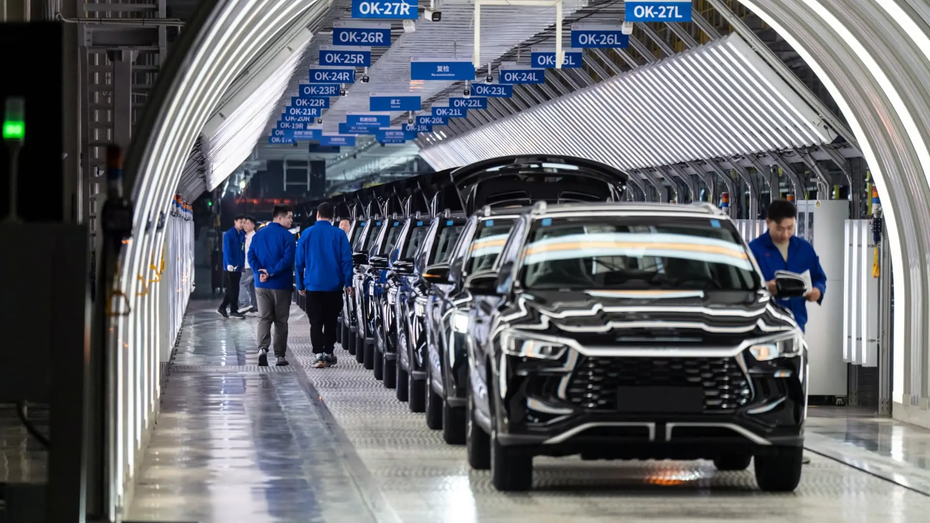
Stellantis operates 44 manufacturing facilities across 17 countries, with 13 plants designated for multi-brand production under the new model differentiation programme. Platform sharing reduces per-unit costs by €1,200 across shared components. The complete Stellantis model history and specifications are catalogued in the Global Auto Index manufacturer database.
