

Welsh hydrogen car maker will convert two Audi A2s to test lightweight fuel-cell technology.
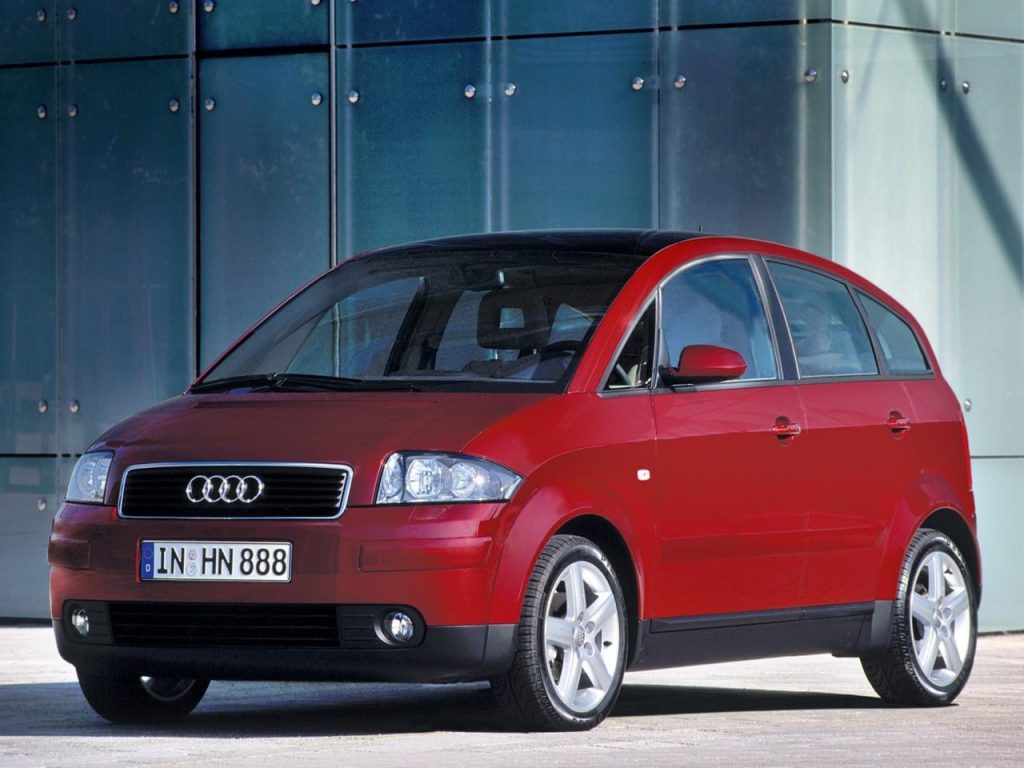
Riversimple secured part of a £1.7 million government grant to convert two Audi A2s into hydrogen demonstrators. The Welsh startup abandons its Rasa project. Ten years of development ends.
The pivot marks Riversimple's shift from bespoke development to adapting existing platforms, mirroring broader industry moves toward practical hydrogen applications. Unlike Toyota's mass-market Mirai approach, Riversimple targets ultra-lightweight conversion, according to the UK government's Advanced Propulsion Centre grant announcement, published December 2024.
Grant funding redirects decade of development
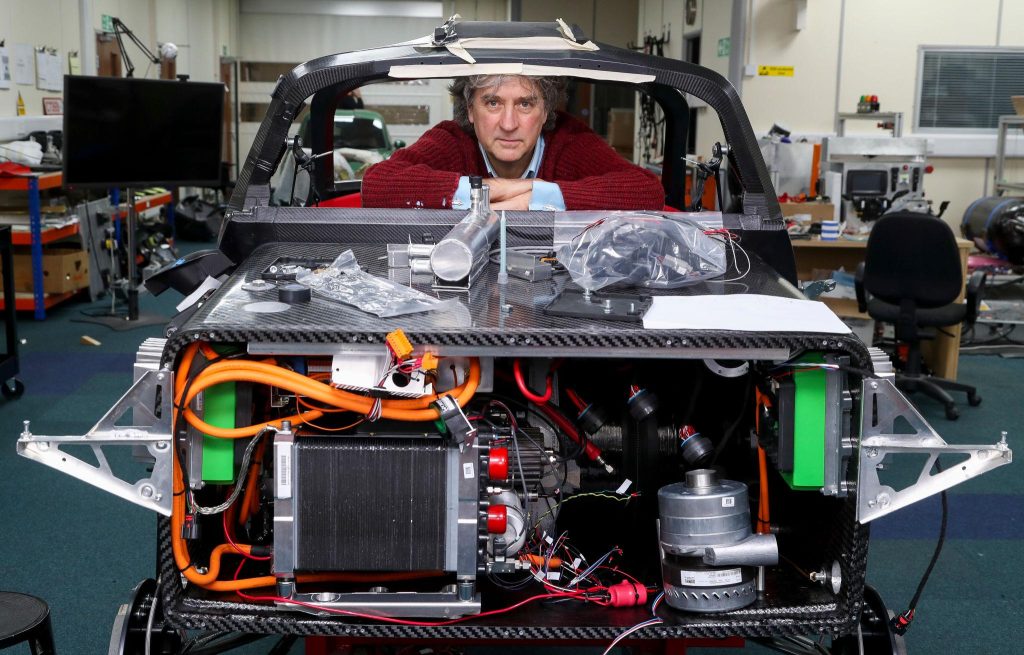
Riversimple received the funding through the UK government's Advanced Propulsion Centre competition, ending development of its custom Rasa vehicle after a decade of testing. The company will now focus on its Runabout project, a four-seat production car using lessons learned from Audi A2 conversions. Hugo Spowers, Riversimple's founder, confirmed the strategic shift represents a move toward more commercially viable platforms. The Rasa prototype, first shown in 2016, featured carbon fiber construction and targeted 250-mile hydrogen range. Production never materialised despite multiple demonstration phases across Wales and England.
Two A2s target 300kg weight reduction
The Audi A2 conversion programme targets removing 300kg from the original 895kg kerb weight through aluminum panel replacement and battery elimination. Each demonstrator will carry 1.5kg of compressed hydrogen at 350 bar pressure, delivering estimated 200-mile range. Fuel cell stack output reaches 8.5kW continuous, with 24kW peak power assisted by supercapacitors. Original A2 production ran from 2000 to 2005 with 176,377 units built. Riversimple selected A2s manufactured between 2002-2003 for optimal structural integrity. The £1.7 million total splits between Riversimple (£420,000) and three partner organizations. Cost per conversion calculates to £210,000 including development work.
Lightweight approach differs from Toyota strategy
Riversimple's sub-600kg target weight contrasts sharply with Toyota's 1,900kg Mirai sedan, representing a 69% mass reduction approach. Industry restructuring toward hydrogen has produced divergent strategies, with established manufacturers prioritizing safety margins over efficiency gains. Toyota's second-generation Mirai carries 5.6kg hydrogen for 400-mile range, while Riversimple targets 200 miles from 1.5kg through radical weight reduction. The Welsh company's approach echoes aviation fuel-cell development rather than automotive industry norms. BMW and Mercedes-Benz trials focus on existing SUV platforms exceeding 2,000kg. Riversimple argues mass reduction trumps hydrogen storage capacity for urban mobility applications.
Runabout specifications emerge from grant documentation
Grant documentation filed with the Advanced Propulsion Centre reveals Runabout will feature four seats, 85mph top speed, and network-based hydrogen supply contracts. The filing, submitted October 2024, specifies aluminum space frame construction and 15-inch wheel diameter for aerodynamic efficiency. Document section 4.2 outlines subscription-based ownership model where customers pay per mile including hydrogen supply. Riversimple retains vehicle ownership throughout the contract period, unusual for automotive retail. Technical specifications show 0.19 drag coefficient target and 55% thermal efficiency from the fuel cell system. Production site challenges mirror broader manufacturing constraints facing niche manufacturers across Europe.
Missing partners raise production questions
The grant announcement omits identification of Riversimple's three project partners despite £1.28 million allocated to external organizations. Advanced Propulsion Centre typically names all recipients in public documentation, suggesting confidential arrangements or pending agreements. No hydrogen supplier appears in available project materials, creating questions about fuel availability for demonstration phases. Riversimple previously partnered with Siemens and Cranfield University on Rasa development, but neither organization confirms involvement in A2 conversions. European manufacturing access complications could affect component sourcing from unnamed suppliers. The company's Llandrindod Wells facility lacks capacity for volume production, yet no alternative manufacturing location appears in grant submissions.
Riversimple expects first A2 conversion completion 2025, with public demonstrations scheduled for the Goodwood Festival of Speed in July. The Runabout enters pre-production trials in 2026. The complete Riversimple model history and specifications are catalogued in the Global Auto Index manufacturer database.
