







Newcastle's Clean Air Zone represents a fundamentally different approach to urban emissions control compared to London's Ultra Low Emission Zone, targeting exclusively commercial vehicles while exempting private cars and motorcycles entirely. This selective enforcement strategy creates significant implications for fleet operators and logistics companies serving the Northeast England market, where compliance with Euro 6 diesel and Euro 4 petrol standards determines access to the city center without daily penalties of up to £50.
Technical Enforcement Standards
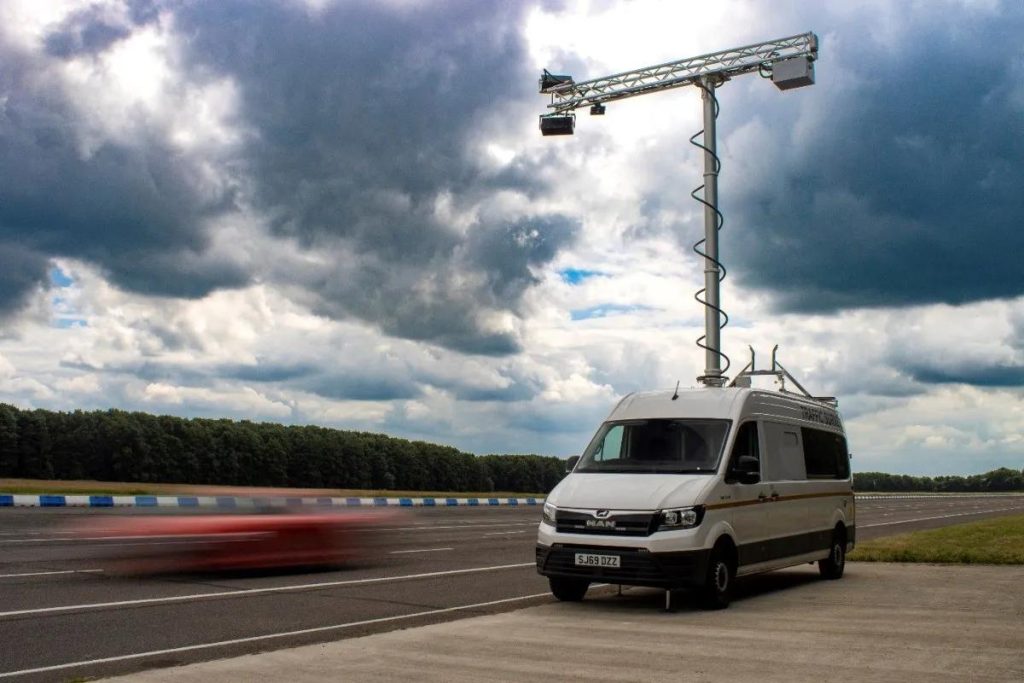
The Newcastle CAZ implements a tiered emissions compliance system based on vehicle classification and engine technology. Light commercial vehicles including taxis, minibuses, and vans must meet Euro 6 standards for diesel powertrains or Euro 4 standards for petrol engines to avoid the £12.50 daily charge. Heavy goods vehicles, buses, and coaches face more stringent requirements, with only Euro 6 diesel or petrol engines qualifying for exemption from the £50 daily penalty. The zone operates continuously throughout the year using Automatic Number Plate Recognition camera systems that monitor compliance without providing real-time notifications to drivers. This enforcement methodology places the burden of compliance verification on vehicle operators, who must proactively determine their emissions certification status before entering the designated area. The charging structure operates on a midnight-to-midnight cycle, meaning vehicles crossing the boundary during late evening hours risk incurring charges for two separate days if they remain past midnight.
Geographic and Strategic Impact
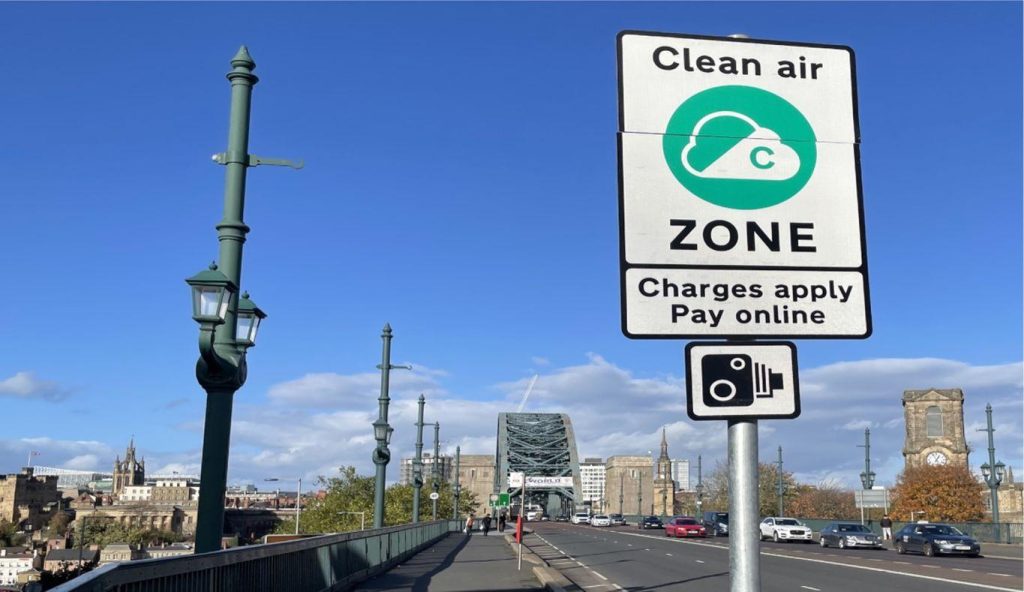
The Newcastle and Gateshead Clean Air Zone encompasses the urban core including Newcastle Central Railway station and the university district, extending across four major river crossings: the Tyne, Swing, High Level, and Redheugh bridges. This comprehensive coverage effectively creates a commercial vehicle checkpoint for the region's primary transportation corridors, forcing fleet operators to evaluate their entire Northeast England logistics strategies. Unlike consumer-focused schemes, this commercial-only approach reflects Newcastle's recognition that freight and public transportation vehicles generate disproportionate urban emissions compared to private automobiles. The zone's boundaries are marked with distinctive white signage featuring black text and green cloud iconography, though the ANPR enforcement system operates without providing entry warnings or payment reminders. This geographic scope positions Newcastle's CAZ as a commercial fleet modernization catalyst rather than a broad-based congestion management tool, distinguishing it from London's more comprehensive ULEZ framework that affects all vehicle categories.
Exemption Framework and Compliance Pathways
Newcastle's Clean Air Zone incorporates both national and local exemption categories that provide compliance alternatives for specific vehicle types and operators. National exemptions, established by central government policy, apply universally across all UK clean air zones and typically cover specialized vehicles that cannot practically meet standard emissions requirements. Local exemptions reflect Newcastle's specific urban transportation needs, including emergency service vehicles, community transport operators, and businesses registered within the CAZ boundaries themselves. This local exemption structure creates incentives for commercial operators to establish Newcastle-based operations, potentially influencing regional business location decisions. Payment processing occurs through government-operated systems accessible via telephone or online platforms, with operating hours limited to standard business schedules. The exemption framework suggests Newcastle's approach prioritizes supporting local commercial activity while encouraging fleet modernization among external operators. Fleet managers must navigate both exemption categories and emissions compliance requirements, creating a complex regulatory environment that rewards local investment and newer vehicle technology.
Industry Implications and Market Response
Newcastle's commercial-focused Clean Air Zone model establishes a precedent for targeted emissions regulation that could influence similar schemes across UK metropolitan areas. Fleet operators serving multiple urban markets must now factor vehicle emissions compliance into route planning and asset allocation decisions, potentially accelerating commercial vehicle replacement cycles beyond normal depreciation schedules. The selective enforcement approach creates competitive advantages for operators with newer, compliant fleets while imposing operational penalties on companies utilizing older commercial vehicles. This regulatory structure particularly impacts small logistics companies and independent operators who may lack capital resources for rapid fleet modernization. The daily charging mechanism, rather than annual or monthly fees, allows occasional users to maintain cost-effective access while encouraging frequent commercial users to invest in compliant vehicles. Regional transportation companies must now evaluate whether compliance costs exceed potential revenue from Newcastle-area operations, potentially reshaping commercial service availability and pricing structures throughout the Northeast England market.
Newcastle's Clean Air Zone represents an evolving approach to urban emissions management that prioritizes commercial fleet modernization over comprehensive vehicle restrictions. As other UK cities evaluate similar environmental policies, Newcastle's commercial-only model may influence regulatory frameworks that balance environmental objectives with economic accessibility. The zone's effectiveness in reducing urban emissions while maintaining commercial viability will provide crucial data for future clean air initiatives across Britain's metropolitan regions. The complete manufacturer model history and specifications for commercial vehicles subject to these regulations are catalogued in the Global Auto Index manufacturer database.
Based on reporting from Carwow. Original headline: "Newcastle clean air zone checker"
