
GM's Lansing Grand River Assembly plant in Michigan remains the reported production site for the revived nameplate.
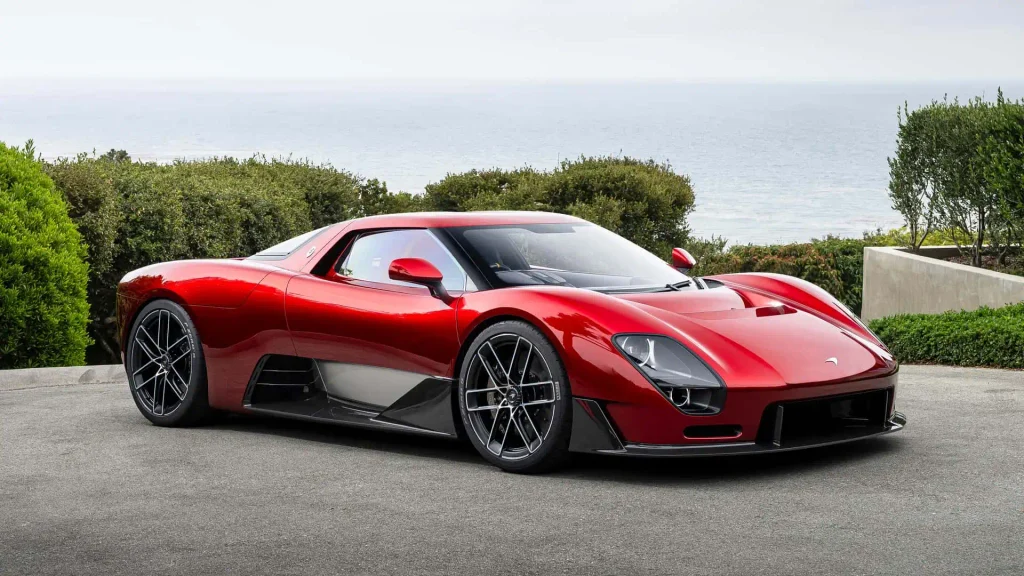
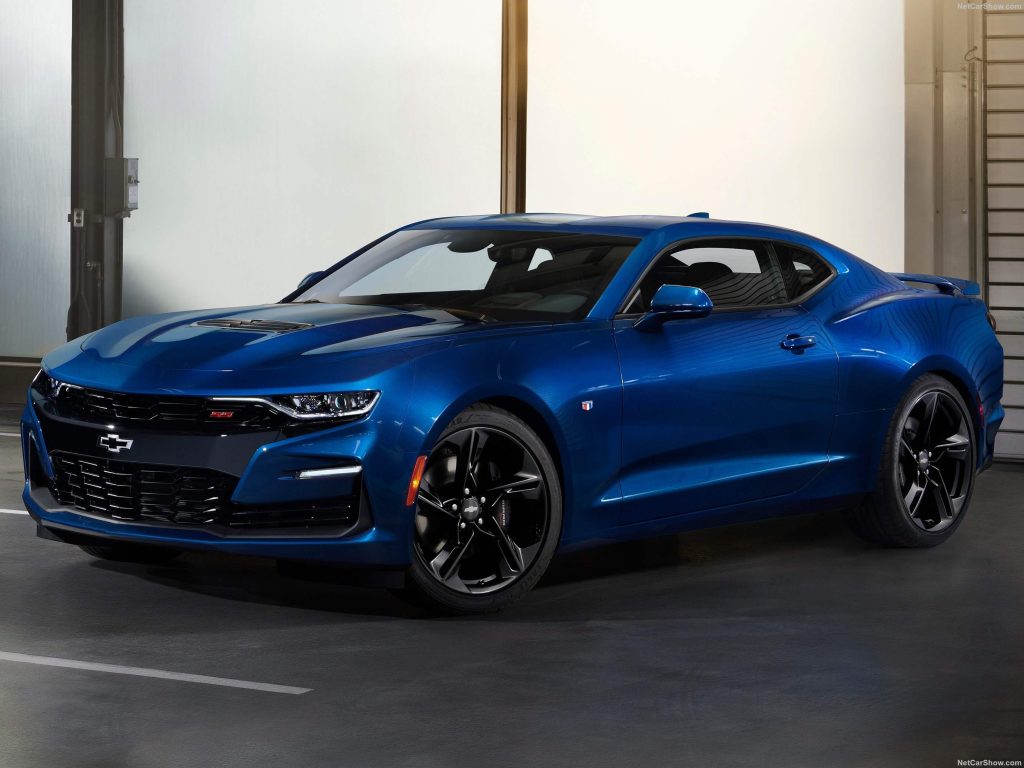
The sixth-generation Camaro ended production after the 2024 model year. Now it may come back unrecognisable. According to GM Authority, the next Camaro is targeted as a 2029 model — a year later than previously reported — and could arrive with four doors instead of two. That's a body-style break, not just a powertrain one.
The format shift matters because it signals how General Motors intends to preserve a muscle-car nameplate inside a shrinking two-door coupe market. The original Camaro ran from 1967 to 2002 and again from 2010 to 2024; neither revival faced a product brief that explicitly abandoned the coupe format. According to GM Authority's reporting, published August 2025, the sedan configuration is now the primary plan, not an alternative under consideration.
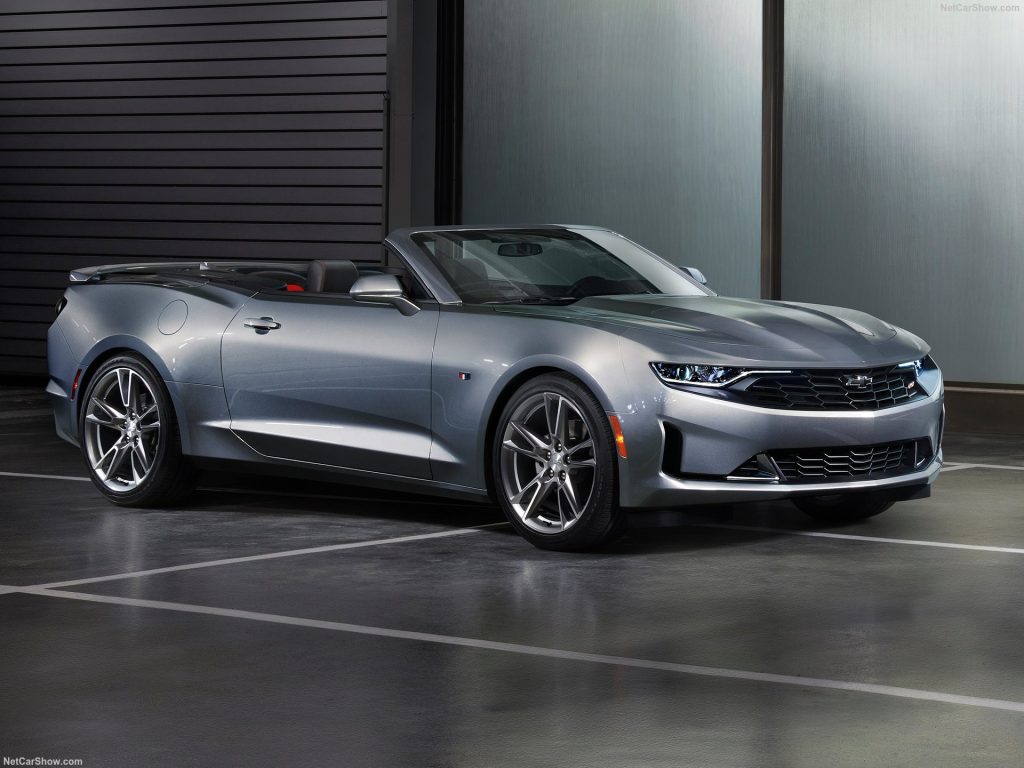
From Coupe to Sedan: What the Reported Brief Contains
GM Authority reported that Chevrolet's internal product plan for the seventh-generation Camaro shifted the body style from a two-door coupe to a four-door performance sedan. The vehicle sits on an updated version of GM's Alpha platform — the same rear-wheel-drive architecture that underpinned the sixth-generation Camaro and the Cadillac CT5. That platform is also reportedly earmarked for the next CT5 and a forthcoming Buick sedan. Powertrain details leaked separately: internal-combustion power is confirmed as the direction, a manual gearbox is reportedly included, and top-tier variants are expected to use GM's naturally aspirated 6.7-litre LS6 V-8. Chevrolet has not officially confirmed the Camaro's return, the model year, the body style, or the engine range. Every detail in circulation carries that caveat. For broader context on how GM is restructuring its North American lineup around these decisions, see the GM portfolio restructuring coverage tracked across this site.
Nearly 60 Years of Two Doors: The Scale of the Departure
The original Camaro launched for the 1967 model year. The sixth generation ended with the 2024 model year. That span covers 57 production years across two separate runs — 1967–2002 (35 years) and 2010–2024 (14 years), with an eight-year gap between them: 2002 + 8 = 2010. In every one of those 49 active production years, the Camaro was sold as a two-door coupe or convertible. A four-door sedan would therefore represent the first body-style departure in the nameplate's entire history. The reported 2029 target date places the gap between sixth-generation end and seventh-generation debut at five model years — 2024 to 2029 — compared with the eight-year hiatus between the fourth and fifth generations. That is a shorter absence, but the product arriving at the end of it looks considerably less familiar than the 2010 car that simply brought the Camaro back.
The Chevy SS Comparison and What It Actually Tells Us
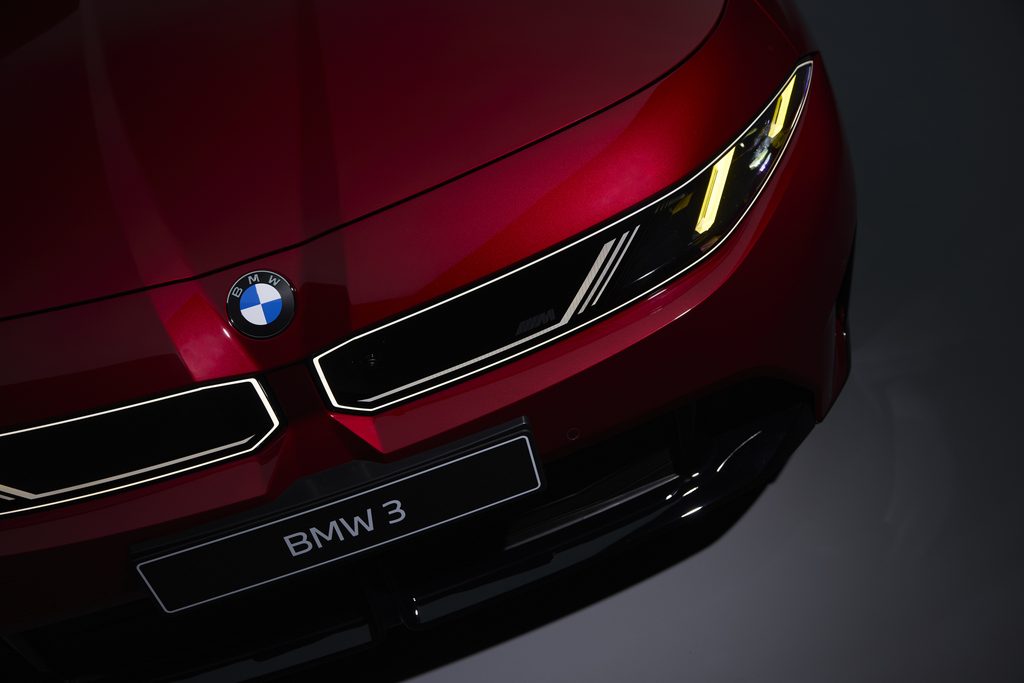
GM Authority's report drew a direct line between the proposed Camaro sedan and the Chevrolet SS, a four-door performance car sold in the United States from 2014 to 2017. The SS used the same Zeta platform as the fifth-generation Camaro, produced 415 horsepower from a 6.2-litre LS3 V-8, and was built in Australia by Holden. It sold 3,021 units in its best calendar year (2015) against the Camaro's 87,285 units that same year — a ratio of roughly 1-to-29. If the proposed LS6-powered Camaro sedan targets anything near the Camaro coupe's historical volumes, it needs to attract buyers the SS never reached. GM faces a different competitive set in 2029 than it did in 2015: BMW's four-motor M3, confirmed for 2027 at 1,300 hp, will already be in showrooms before the Camaro sedan arrives. That comparison cuts both ways — it validates the four-door performance segment's growth, but it also defines the performance bar GM will need to clear.
The Platform Question That Has Not Been Answered
Here is what does not add up. The Alpha platform was introduced for the 2013 Cadillac ATS, updated for the sixth-generation Camaro in 2016, and has been in continuous use for over a decade. An "updated" Alpha underpinning a 2029 vehicle means the architecture will be at least 16 years old at launch — unusual for a halo performance product competing against purpose-built platforms from BMW and Mercedes-AMG. GM has not published a new rear-wheel-drive platform roadmap, and no technical documents have emerged naming a successor. The absence of a confirmed new platform is the largest unresolved gap in the reported product plan. It also raises questions about how a four-door body — structurally more complex than the existing coupe shell — grafts onto a two-door-optimised architecture without a full re-engineer that would, effectively, constitute a new platform anyway. Chevrolet's recent C8 Corvette production halt is an unrelated issue, but it illustrates that GM's performance-car engineering pipeline is not without friction.
What a Four-Door Brief Means for GM's Performance Dealer Network
Mark Reuss, President of General Motors, has spoken publicly — in a statement recorded by GM Authority in April 2025 — about the conditions under which a new Camaro could be viable: the car must justify its engineering cost against projected volume. A four-door layout directly affects that calculation for Chevrolet's approximately 2,900 U.S. dealerships. Dealers who stocked sixth-generation Camaro coupes alongside Corvettes carried them as low-volume, high-margin vehicles. A four-door Camaro positioned against the Dodge Charger Daytona EV and the reported Tesla Model S successor competes in a different transaction bracket entirely. The dealer margin structure, the floor-plan cost, and the service labour rate all shift. None of that has been addressed in any public communication from General Motors. Meanwhile, wider tariff pressures on U.S.-assembled vehicles — documented in reporting on the 25% U.S. truck tariff — add a sourcing variable for any Michigan-built performance car targeting export markets after 2029.
The Camaro nameplate has generated more than 5.5 million units sold across both production runs since 1967, according to General Motors historical production records. The sixth-generation car's final year — 2024 — saw output wind down at Lansing Grand River before the line went dark. No restart date for that facility has been confirmed in writing. The complete Chevrolet model history and specifications are catalogued in the Global Auto Index manufacturer database.
