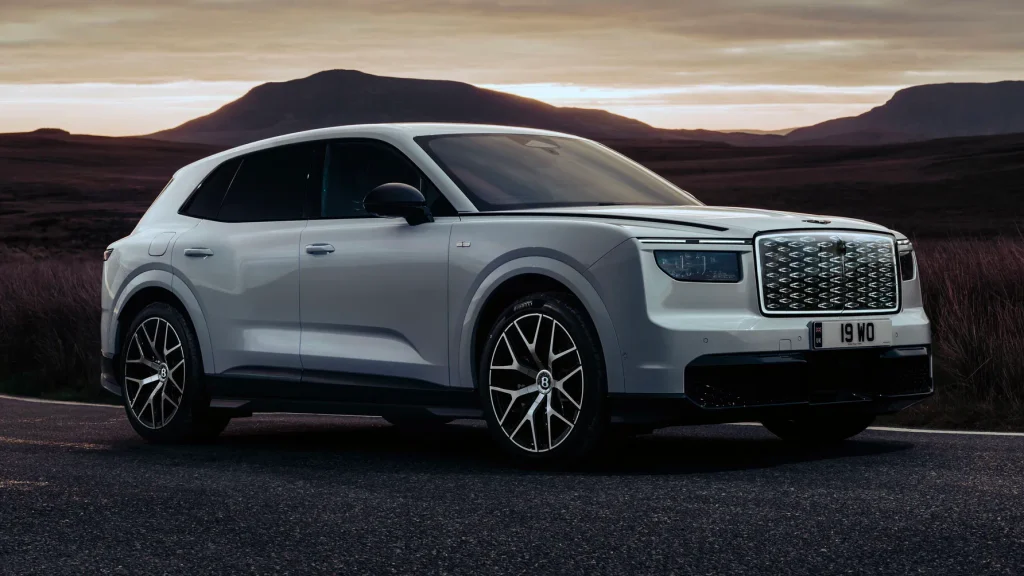
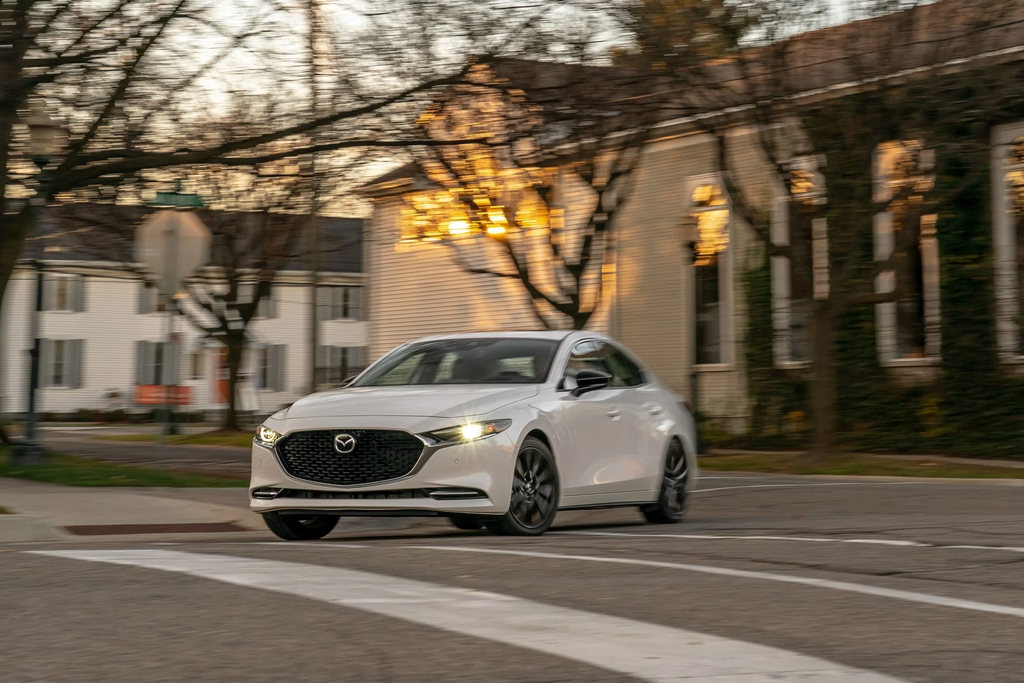
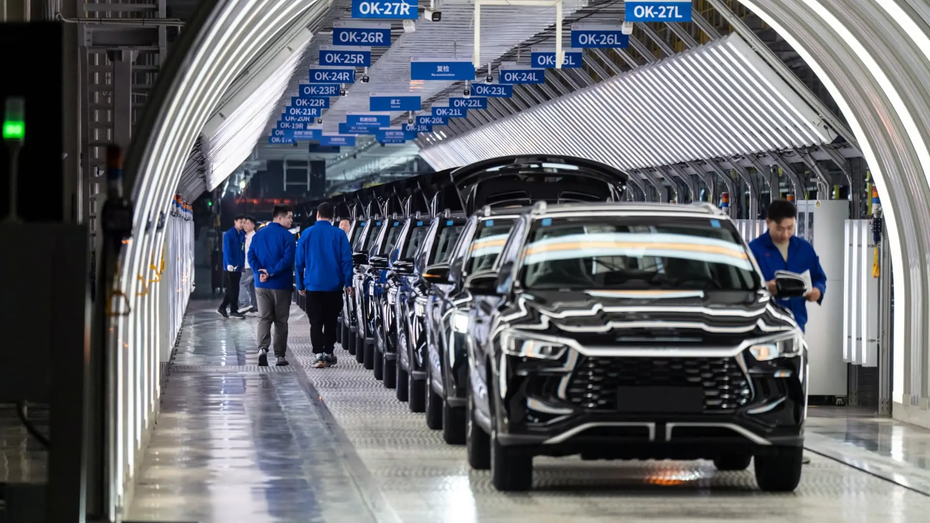
Factory lines in Spain and Germany shift to electric A2 and sports car production from 2027.
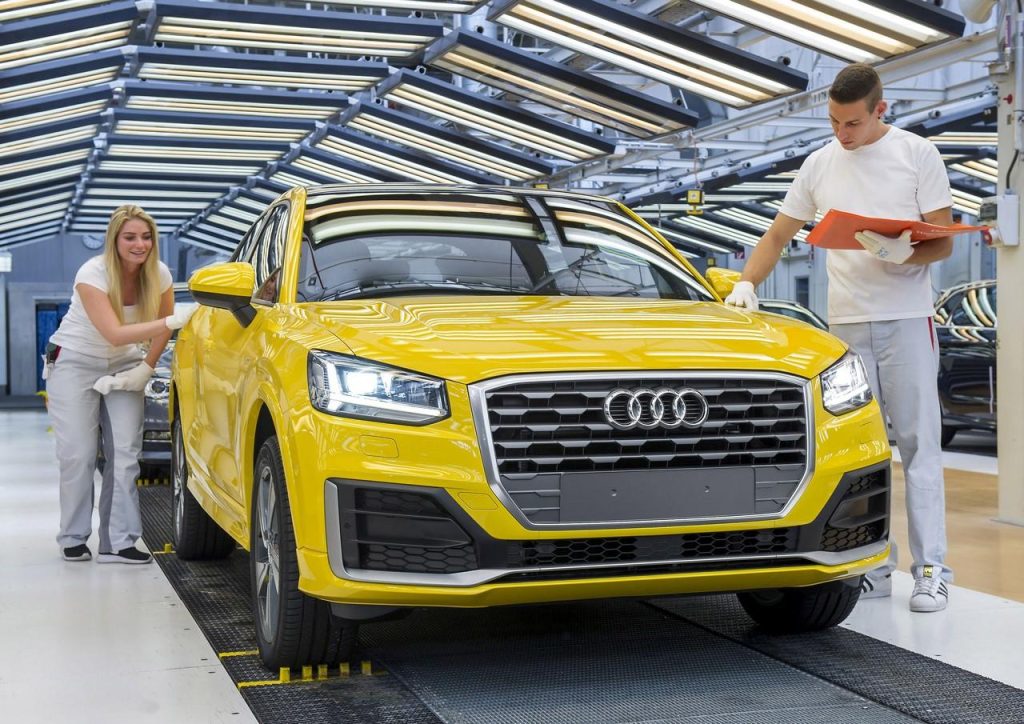
Audi closed production lines for the A1 hatchback and Q2 crossover this month. The move ends output of the brand's cheapest models. Combined sales reached 2.28 million units across both nameplates.
The closures mark Audi's shift toward electric models as the brand phases out entry-level combustion cars. Production ends in Martorell, Spain for A1 and Ingolstadt, Germany for Q2 — decisions announced in 2021 and 2022 respectively, according to company statements from those periods.
Production numbers reveal sales gap between models
The A1 delivered 1,389,658 units since 2010 launch compared to Q2's 887,231 units from 2016. That gap amounts to 502,427 additional A1 sales despite the crossover's shorter production run. Annual average calculations show A1 moved 99,262 units per year versus Q2's 110,904 per year rate. The broader industry restructuring affects multiple German brands cutting combustion models. Martorell plant workers face redeployment as assembly shifts to electric vehicle components.
Electric A2 revival planned for 2027 launch window
Audi confirmed the A2 nameplate returns as "a fully electric model twinned with the recently launched VW ID.3 Neo" in company documentation. The original A2 ran from 1999 to 2005 with aluminium space frame construction but failed commercially. This revival targets different market positioning as Audi's entry-level EV rather than premium lightweight experiment. Ingolstadt production lines previously building Q2 will accommodate the new electric A2 alongside other battery-powered models, creating capacity for increased EV output in Germany.
Performance variants never reached RS specification
The A1 spawned S1 hot hatch and limited A1 Quattro variants but never achieved full RS treatment unlike larger Audi models. This contrasts with BMW's aggressive M division expansion into smaller segments including future electric performance cars. Audi's Citycarver and Allstreet crossover variants added plastic cladding and raised suspension but maintained standard powertrains. The brand's performance focus shifts to electric sports cars including the Concept C production version arriving 2027 at Böllinger Höfe facility.
Assembly plants redirect capacity toward premium EVs
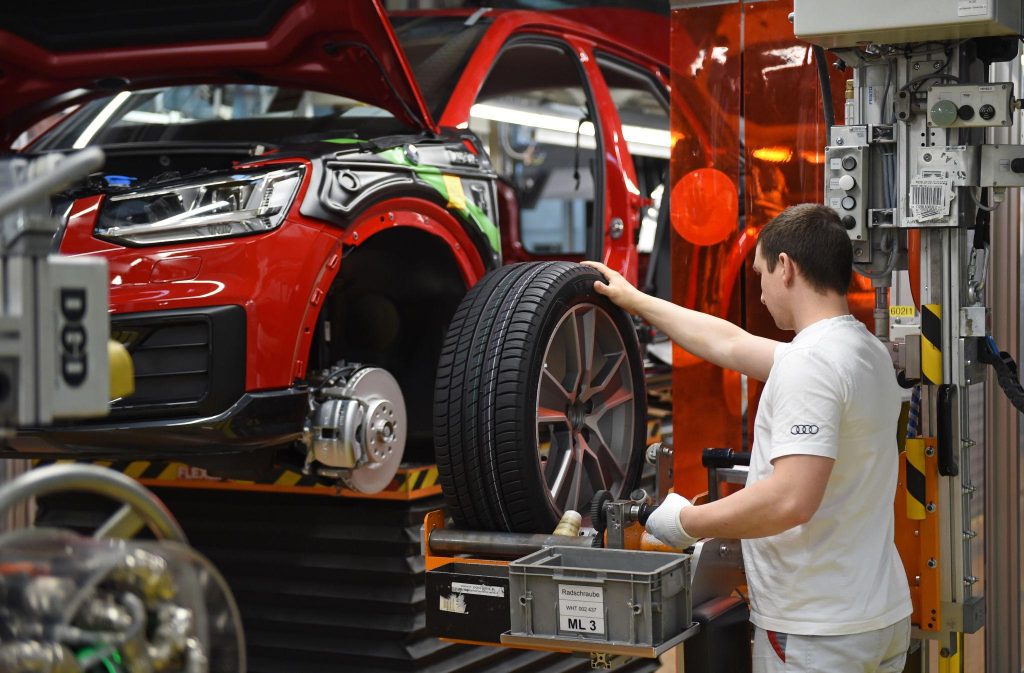
Böllinger Höfe facility transitions from R8 V10 production to electric sports car assembly starting 2027. The site historically built Audi's flagship supercar but gains new purpose with Concept C manufacturing. Martorell workers previously assembling A1 models receive training for battery pack production and electric drivetrain components. Spanish plant management confirmed capacity reallocation toward higher-margin electric vehicles rather than entry-level combustion models. This mirrors Volkswagen Group strategy across multiple facilities in Germany and Spain.
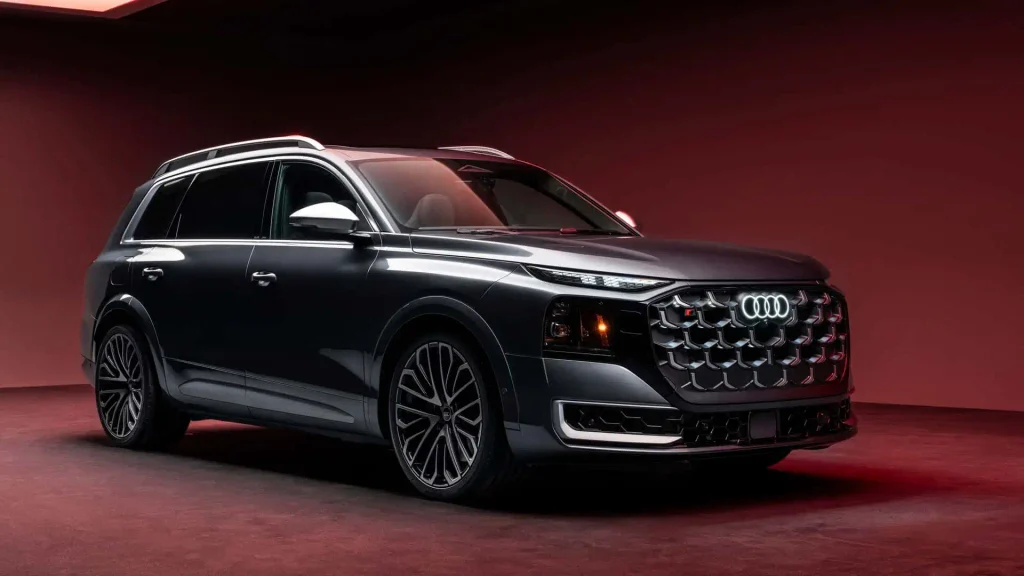
Audi's Q9 full-size SUV enters development to compete with Mercedes GLS and BMW X7, targeting late-decade launch. The three-row vehicle will represent Audi's largest SUV offering. Factory allocation decisions for Q9 production remain under evaluation. The complete Audi model history and specifications are catalogued in the Global Auto Index manufacturer database.
