







White House declines tariff relief as production disruptions cost automaker $3 billion across two years
Ford's F-150 production faces tariff penalties after supplier fires cut aluminum supply chains. Imported replacement metal carries 25% duties. Production schedules disrupted. Sales down 16%.
The crisis highlights trade policy tensions as automakers absorb tariff costs on imported materials needed for domestic assembly. Ford's aluminum shortage mirrors steel supply disruptions that hit Toyota Camry production in 2019, according to Commerce Department trade adjustment filings published that December.
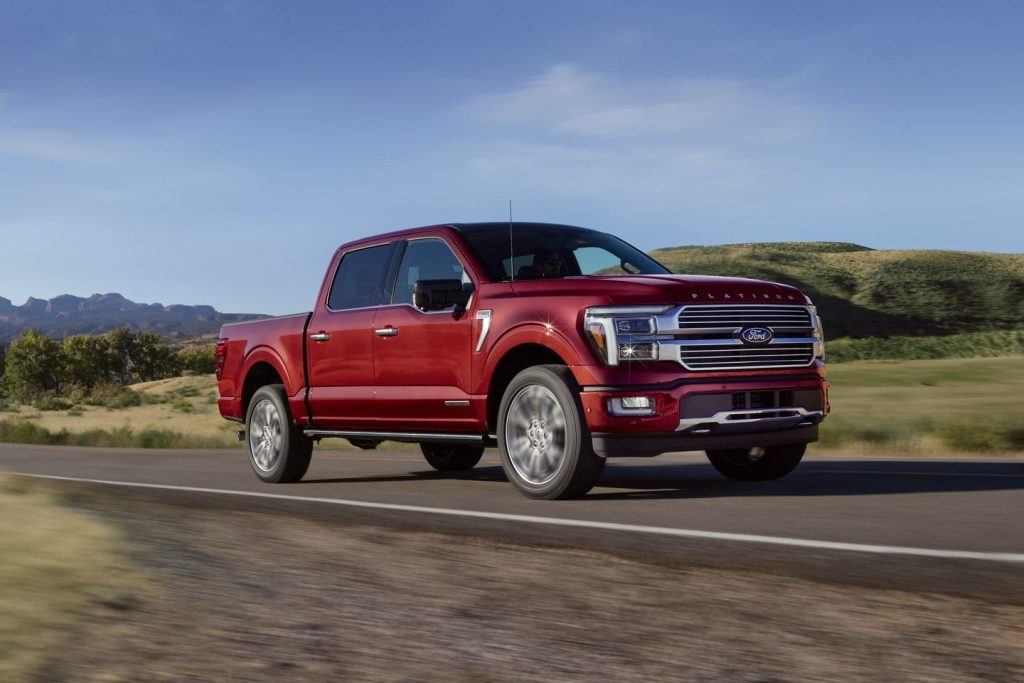
Supplier Fires Trigger Supply Crisis
Two fires at a New York aluminum supplier last year severed Ford's primary metal source for F-150 body panels. The facility supplied Ford, Stellantis, and General Motors with lightweight aluminum sheets essential for truck construction. Replacement sourcing shifted overseas immediately. Import duties kicked in at 50% initially, later adjusted to 25% under revised tariff classifications that focus on end-use rather than raw material origin. Ford requested government relief. The White House declined. Officials cited existing automotive tariff exemptions as sufficient industry support.
Financial Impact Escalates
Fire disruptions cost Ford $2 billion in 2024. Another $1 billion loss projected for 2026. F-Series sales dropped 16% in Q1 2025 compared to the previous year. Ford's total US sales fell 8% in the same period. The math is stark. A 25% tariff on $800 worth of aluminum per truck adds $200 to production costs. For 750,000 annual F-150 units, that equals $150 million yearly. Ford has not disclosed whether these costs pass to consumers or compress margins.
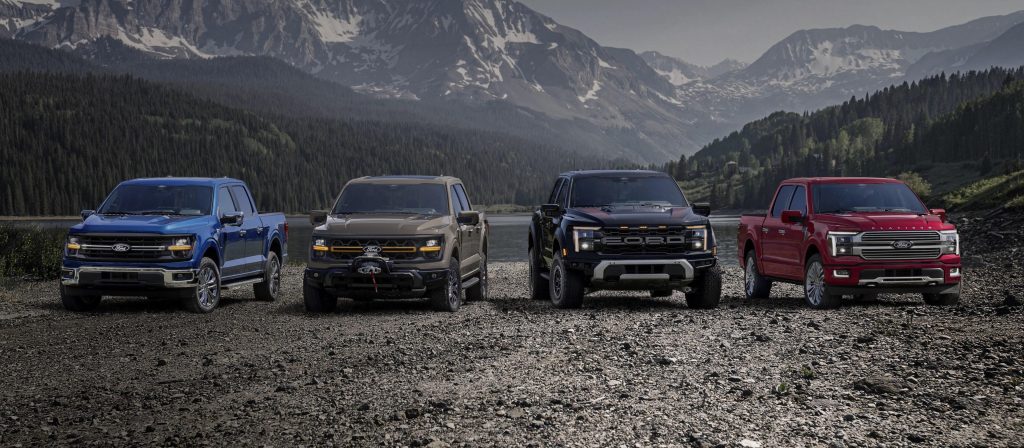
Government Response Remains Firm
Ford has "not requested tariff relief on this matter in a particularly pronounced way," the White House told trade reporters in March. The statement suggests Ford's lobbying efforts lacked formal petition processes required for emergency trade relief. Commerce Department officials point to existing automotive part exemptions granted in 2023. Those covered electronic components and steel fasteners. Aluminum sheet metal remained excluded. Trade policy analysts note that temporary relief requires proof of national economic harm, not single-company disruption.
Production Schedule Disruption
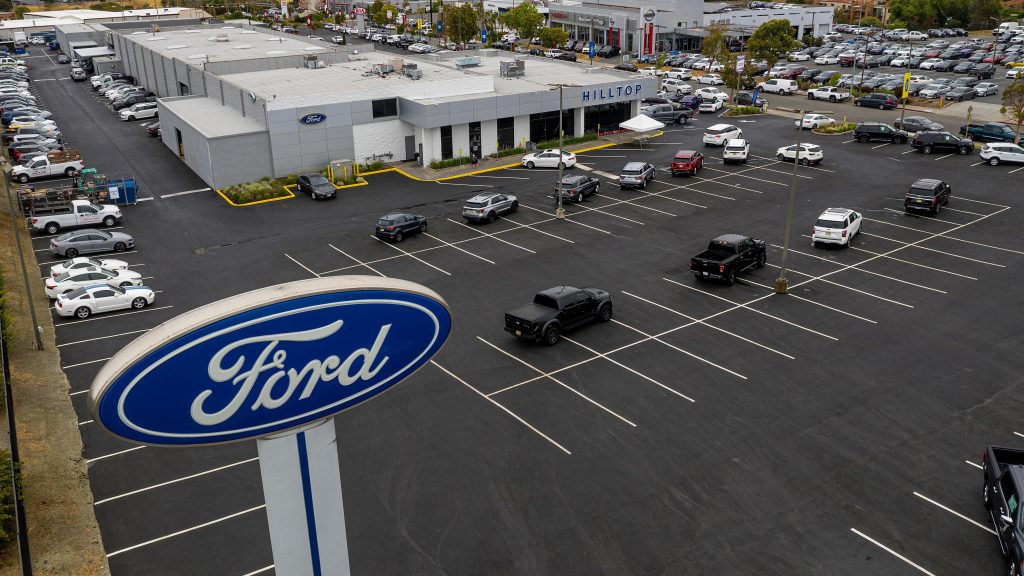
Ford skipped traditional summer factory shutdowns to compensate for lost production time. The Dearborn truck plant will run continuously through July and August 2025. Normal maintenance windows moved to September. Assembly line workers approved overtime schedules extending shifts from eight to ten hours on weekdays. Ford dealers report F-150 inventory at 45-day supply, below the industry standard 60-day buffer. Customer delivery times stretched from four weeks to eight weeks for popular configurations.
Alternative Models See Limited Uptake
Ford steered buyers toward Ranger midsize trucks as F-150 availability tightened. Results disappointed. Ranger sales increased just 3% while F-150 demand remained constant despite longer wait times. A Detroit-area Ford dealer running six franchise locations reported that 80% of F-150 customers chose to wait rather than switch models. "People want what they want," the dealer group's inventory manager said. The pattern contrasts with 2020 chip shortages when buyers readily substituted trim levels and options within the same model line.
The tariff classification change affects all domestically assembled vehicles containing imported aluminum, potentially expanding beyond Ford to other manufacturers 2025. Similar trade disputes over steel content hit European automakers in 2018. The complete Ford model history and specifications are catalogued in the Global Auto Index manufacturer database.
